Longevity is about more than simply living longer. It focuses on how well your body and mind function as the years pass. In simple terms, longevity blends lifespan with quality, energy, and independence. Modern science shows that ageing is not only driven by genetics but also shaped by daily habits, stress levels, and lifestyle choices. When your body manages inflammation, repairs cells efficiently, and protects vital systems,
Editorial evidence note: This article discusses research and general information, not a diagnosis or a promise that a product will prevent, treat or cure a condition. Clinical questions and supplement suitability require individual professional advice.
Healthspan naturally improves. Research now links longevity with reduced oxidative stress and better protection of telomeres, the structures that guard your DNA. Understanding longevity helps you make smarter choices today that support strength, clarity, and resilience for decades to come.
What Is Longevity? A Simple Definition
Longevity means the ability to live a long life with strength, clarity, and purpose. It’s not only about reaching old age. It’s about staying physically capable and mentally sharp as years pass. In health science, longevity focuses on slowing ageing while preserving function. When your body resists damage and repairs itself well, life tends to last longer and feel better.
At its core, longevity connects directly to healthspan and lifespan. Lifespan measures how long you live. Healthspan measures how well you live during those years. Stress, nutrition, sleep, and movement quietly shape both. When stress stays unmanaged, biological wear accelerates. When stress stays balanced, longevity becomes a realistic goal rather than a hopeful wish.
Why Longevity Matters More Than ever today?
Modern life pushes the nervous system hard. Long work hours, digital overload, and constant urgency raise stress levels across the USA and UK. These pressures increase chronic inflammation, which silently damages tissues over time. Longevity matters because chronic disease often steals quality years long before life ends.
Healthcare systems now recognise prevention as essential. Extending healthspan reduces medical costs and preserves independence. When people stay active and resilient, families benefit too. Longevity isn’t about chasing youth. It’s about protecting vitality so later decades remain meaningful, social, and physically capable rather than limited by illness.

Lifespan vs Healthspan
Lifespan answers one question. How many years did you live? Healthspan answers a better one. How many of those years felt strong and independent? Someone may reach ninety yet struggle for decades. Another may live fewer years but remain energetic almost until the end. Longevity science prioritises healthspan because quality matters more than numbers.
Stress plays a central role here. Long-term stress disrupts hormones, sleep, and metabolism. That shortens the healthy portion of life even if lifespan remains long. By protecting mental balance early, you preserve mobility, memory, and emotional stability later. Longevity grows from daily habits that protect function, not extreme interventions.
What Causes Ageing? Biological and Lifestyle Factors
Ageing begins at the cellular level. Over time, cells accumulate damage from oxidative stress, unstable molecules that harm DNA and proteins. Telomeres, the protective caps on chromosomes, shorten with each cell division. When telomeres become too short, cells lose their ability to divide and repair tissue efficiently.
Lifestyle accelerates this process. Poor sleep, processed food, and unmanaged stress worsen glycation, where excess sugar binds to proteins and stiffens tissues. Stress also contributes to mitochondrial dysfunction, reducing the energy cells need to repair themselves. While genetics matter, daily choices strongly influence how fast these ageing mechanisms progress.
How Stress Affects Longevity and Accelerates Ageing
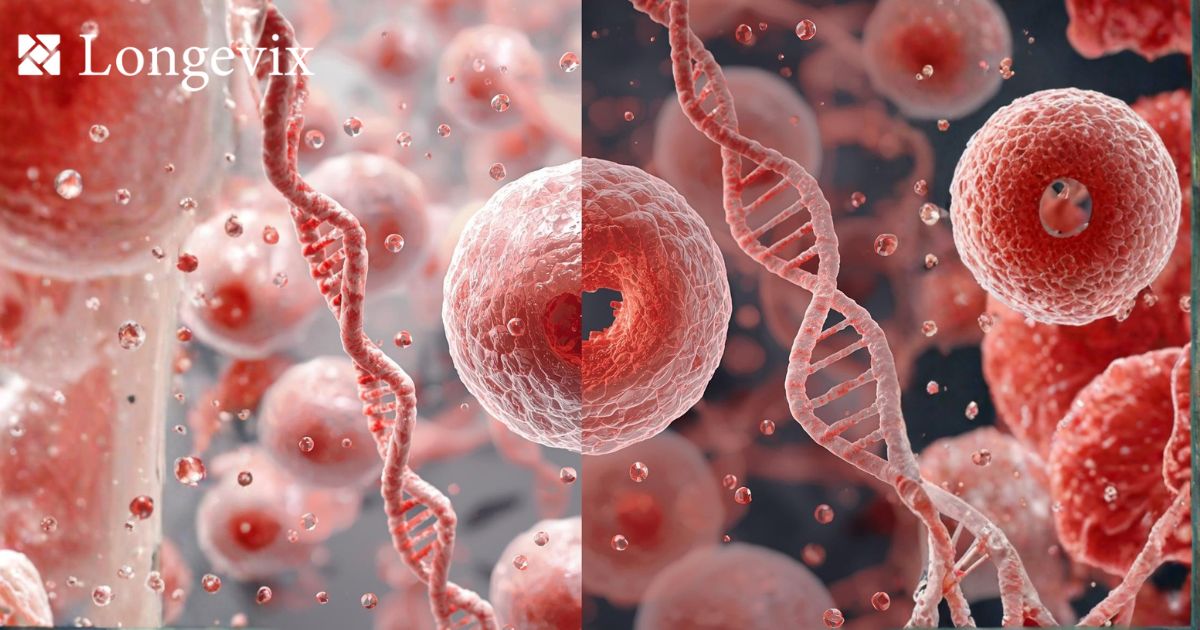
Stress triggers survival chemistry. Cortisol rises to keep you alert. Short bursts help. Chronic exposure harms. Constant cortisol elevates blood sugar, fuels chronic inflammation, and suppresses immune repair. Over time, this environment speeds ageing from the inside out.
Research shows prolonged stress shortens telomeres, a known marker of biological age. People under chronic stress often show cellular ageing patterns years ahead of their actual age. Stress also worsens oxidative stress, creating a feedback loop of damage. Longevity suffers not from occasional pressure but from never allowing the body to recover.
The Science behind Stress Management and Longer Life
Stress management shifts the body from survival mode into repair mode. When calm returns, cellular cleanup improves and inflammation drops. Studies from institutions like Harvard show lower stress correlates with longer healthspan and reduced chronic disease risk. This connection isn’t philosophical. It’s biological.
Lower stress supports mitochondrial efficiency and hormone balance. That improves sleep quality, insulin sensitivity, and immune resilience. Stress management doesn’t stop ageing. It slows harmful acceleration. Over time, this gentle slowing preserves tissue function and supports a longer, healthier lifespan rooted in balance rather than restriction.
Proven Stress Management Techniques That Support Longevity
The body responds well to rhythm. Consistent sleep, movement, and calm signals safety. Practices that activate the parasympathetic nervous system support stress reduction naturally. Deep breathing slows heart rate. Gentle movement improves circulation. Mental quiet allows hormones to rebalance.
Longevity thrives on routine. Regular exercise reduces inflammation and improves mitochondrial health. Quality sleep repairs DNA damage and stabilises mood. These habits don’t need perfection. They need consistency. Over time, stress resilience improves. Biological wear slows. Healthspan quietly expands without extreme effort.
Nutrition and Lifestyle Habits That Improve Longevity
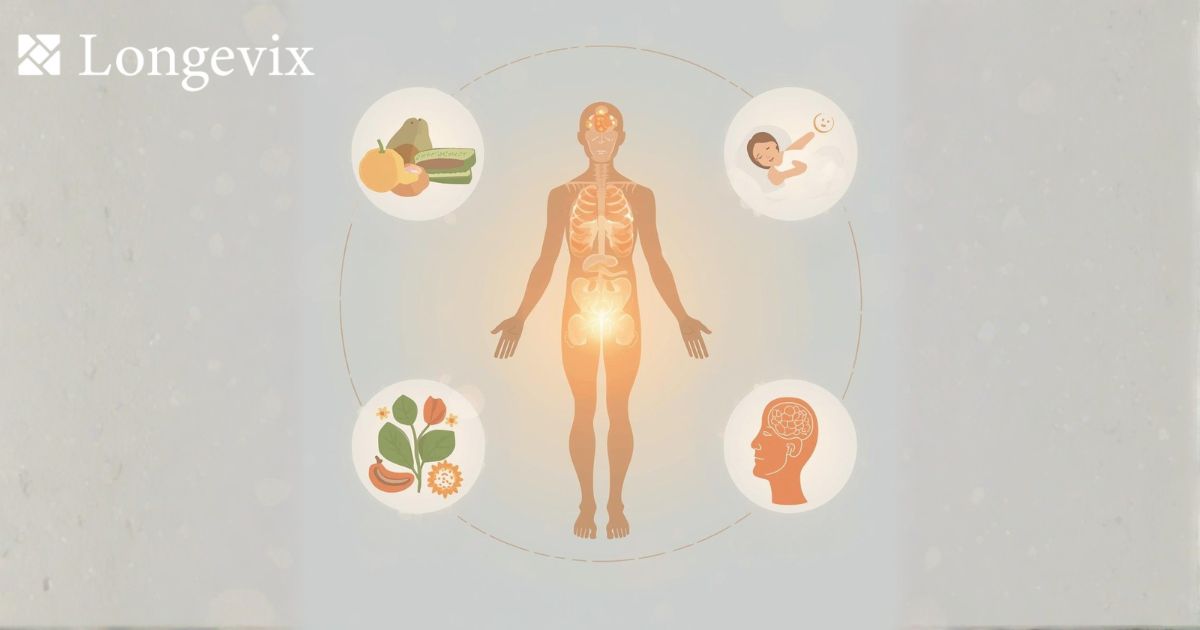
A nutrient-rich diet supplies antioxidants that counter oxidative stress and stabilise blood sugar. Whole foods reduce glycation and support cellular repair. When combined with movement and sleep, nutrition becomes a powerful longevity tool.
Lifestyle works as a system. Exercise improves insulin sensitivity. Sleep regulates appetite hormones. Calm supports digestion. Together, these habits reduce inflammation and preserve energy production. Longevity doesn’t require rigid rules. It grows from simple patterns repeated daily with patience and awareness.
Supplements, Longevity & Stress: What Science Really Says
Supplements can support longevity when used wisely. Research highlights compounds that assist cellular energy and stress resilience. NMN benefits relate to supporting NAD+ levels, which decline with age. Nicotinamide riboside works through a similar pathway. These compounds aim to support mitochondrial health rather than mask symptoms.
Below is a simple comparison table summarising evidence-backed longevity compounds.
|
Compound |
Primary Role |
Longevity Connection |
|
NMN Supplement |
Cellular energy |
Supports NAD+ and repair |
|
NAC Supplement |
Antioxidant support |
Reduces oxidative load |
|
Resveratrol |
Cellular signaling |
Activates longevity pathways |
|
Spermidine |
Cellular cleanup |
Supports autophagy |
|
Quercetin |
Anti-inflammatory |
Protects vascular health |
|
Berberine |
Metabolic balance |
Improves glucose control |
|
Collagen |
Tissue structure |
Supports joints and skin |
|
Creatine Vitality Gummies |
Energy support |
Enhances muscle resilience |
|
CoQ10 |
Mitochondrial function |
Supports heart energy |
|
Curcumin |
Inflammation control |
Reduces chronic inflammation |
|
Omega-3 Fatty Acids |
Cellular membranes |
Supports brain and heart |
Supplements complement lifestyle. They never replace movement, sleep, or stress balance.
Longevity Myths vs Scientific Reality
Many myths cloud longevity science. Some believe supplements alone reverse ageing. Others assume stress is only emotional. Science disagrees. Stress alters hormones, immunity, and cellular repair. Supplements assist pathways. They don’t override biology.
Another myth claims ageing is fixed. While time moves forward, biological ageing speed varies. Lifestyle choices influence inflammation, metabolism, and repair efficiency. Longevity grows through consistent habits supported by evidence. Quick fixes fade. Systems endure.
Small Daily Changes That Extend Life Naturally
Longevity often hides in small moments. Walking after meals improves glucose control. Pausing to breathe lowers cortisol. Choosing sleep over screens repairs DNA. These actions seem minor. Together, they compound powerfully.
Stress-aware living doesn’t remove challenges. It changes response. Over time, resilience builds. Inflammation drops. Energy stabilises. Healthspan stretches quietly across decades. Longevity becomes less about fighting age and more about supporting the body’s natural ability to heal and adapt.
Further Reading and Source Context
These external resources provide background or regulatory context. They do not prove that a particular Longevix product produces the health outcomes discussed above.
Frequently asked questions
What is the simple definition of longevity?
Longevity means living a long life while maintaining good physical and mental health as you age.
What is an example of longevity?
A person who remains active, independent, and mentally sharp into their 80s or 90s is a clear example of longevity.
What is the difference between longevity and lifespan?
Lifespan is the total number of years you live, while longevity focuses on living those years in good health and function.
How can I increase my longevity?
You can increase longevity by managing stress, eating a balanced diet, exercising regularly, and prioritising quality sleep.
What are the factors of longevity?
Key factors include genetics, lifestyle habits, stress levels, nutrition, physical activity, and sleep quality.