Can an antioxidant longevity supplement actually help you age well, or is it another clever label? The answer deserves more than a promise. Your body manages oxidative stress every day using a network of enzymes, nutrients and repair systems. Meanwhile, free radicals aren't always enemies; they also help cells communicate. Interest in dietary antioxidants has inspired research into quercetin, resveratrol and related compounds. Yet a promising laboratory result doesn't guarantee more healthy years.
This guide explores the science, explains meaningful evidence and reviews the ingredients in Longevix's current range. You'll also learn how to compare labels, spot exaggerated claims and decide what questions to ask before buying a new supplement.
What Is an Antioxidant Longevity Supplement?
An antioxidant longevity supplement is usually marketed around compounds associated with cellular defence and ageing research. However, that description isn't proof of a longer life. Research on antioxidant supplementation examines particular ingredients, doses and outcomes. It doesn't establish that every antioxidant product can slow ageing or produce noticeable improvements in health.
Your body already contains remarkable systems for handling everyday chemical reactions. Nutrients and plant compounds may interact with those systems in different ways. However, preventing cellular damage is more complicated than swallowing an antioxidant. A meaningful product claim needs appropriate human evidence, not just encouraging results from a laboratory experiment.
Are Free Radicals Always Harmful?
Surprisingly, no. Reactive oxygen species can contribute to damage when their production overwhelms normal defences. Yet cells also use these molecules to communicate and respond to physical activity. Think of fire in a kitchen. Controlled heat serves a purpose, while uncontrolled flames create trouble. Your body needs balance rather than complete elimination.
How Does Oxidative Stress Affect Healthy Ageing?
Ageing involves countless biological changes rather than one chemical problem. Over time, some cells become less effective at managing stress and maintaining normal function. Researchers investigate how age-related changes influence metabolism, inflammation and tissue maintenance. Nevertheless, oxidative damage represents one part of a much larger biological picture.
Importantly, your body has several protective mechanisms. Antioxidant enzymes help regulate reactive molecules, while redox signaling allows cells to respond to their environment. These systems interact with endogenous antioxidants made within the body. Their activity explains why a simple antioxidant-strength score cannot accurately predict a supplement's effect on human health.
Why Your Natural Antioxidant Defences Matter
Your body doesn't depend entirely on nutrients from capsules. It produces protective substances and maintains specialised enzymes throughout its tissues. Scientists distinguish these internal systems from exogenous antioxidants obtained through food or supplements. Both belong to a complex network. Adding more of one substance doesn't necessarily make the whole network work better.
Antioxidants, Mitochondria and the NAD+ Connection
Inside your cells, mitochondria help transform nutrients into usable energy. These structures also participate in reactions that generate reactive oxygen molecules. Meanwhile, glutathione contributes to the body's antioxidant defence network. Researchers study how these systems change with age, although their complexity makes quick-fix longevity claims particularly difficult to justify.
Scientists also examine DNA oxidative damage and lipid peroxidation, which describes oxidative changes affecting fats. Such measurements can reveal biological stress under particular conditions. However, improvements in laboratory markers don't automatically establish better health or longer survival. Researchers must connect those changes with outcomes that people actually experience.
Where Does NAD+ Fit Into This Process?
NAD+ is a coenzyme involved in essential metabolic reactions. It helps cells transfer electrons during energy metabolism. Nicotinamide riboside, or NR, participates in pathways that produce NAD+. However, raising an NAD-related biomarker doesn't prove that someone will age more slowly. Explore Longevix's NAD+ science and evidence guide for further background.
Which Antioxidant Ingredients Deserve Attention?
The antioxidant research landscape includes vitamins, minerals and plant molecules known as polyphenols. Researchers also investigate compounds such as coenzyme Q and lipoic acid. These ingredients don't necessarily act through identical pathways. Importantly, they aren't listed as standalone products in the current Longevix catalogue, so comparisons should remain educational.
Two particularly relevant substances are quercetin and trans-resveratrol. Both occur in plants and attract attention through laboratory research into cellular processes. Unlike generic antioxidant mixtures, their identities can be checked against a labelled formulation. However, neither ingredient has convincing evidence that taking it extends human lifespan.
Quercetin: More Than a Simple Antioxidant
Quercetin is a flavonoid found in foods such as onions, apples and berries. Researchers investigate its interactions with inflammatory and cellular signalling pathways. Laboratory studies suggest interesting biological activities, yet human findings remain limited and variable. Importantly, research into senescent cells doesn't establish that ordinary quercetin supplements remove those cells in humans.
Trans-Resveratrol: Interesting Biology, Uncertain Benefits
Trans-resveratrol is a form of resveratrol studied in grapes, certain berries and supplements. Its popularity grew through research involving cellular signalling and sirtuin-related pathways. However, oral resveratrol undergoes extensive metabolism. This complicates the translation of laboratory findings into meaningful human outcomes. Read Resveratrol vs NMN for an ingredient-specific comparison.

What About Vitamins C and E?
Vitamin C helps support several normal biological functions and contributes to antioxidant protection. Meanwhile, vitamin E helps protect cell membranes from oxidative damage. Both are essential nutrients, yet larger supplemental amounts aren't automatically better. Research has not established routine high-dose antioxidant vitamins as a reliable strategy for extending human lifespan.
What Does Human Research Actually Show About Longevity Supplements?
Exciting longevity headlines often begin with studies involving cells or model organisms such as mice. These experiments help scientists understand biological mechanisms. However, human clinical trials answer more relevant questions about safety, function and measurable health outcomes. Even then, small studies cannot establish effects that might take decades to become apparent.
Most importantly, life expectancy and healthspan are different concepts. Healthspan describes the period of life spent in reasonably good health. Lifespan concerns total survival time. A supplement might influence a blood marker without improving either outcome. According to the US National Institutes of Health, routine antioxidant supplementation has not demonstrated broad protection against major chronic diseases.
Why One Positive Study Isn't Enough
Imagine a twelve-week study showing improved antioxidant markers after supplementation. That sounds promising, but what happened to participants' actual health? Did their mobility improve? Were their results replicated independently? Did researchers measure meaningful clinical outcomes? These questions help separate interesting scientific signals from dependable evidence for everyday decisions.
What Can We Learn From Previous Antioxidant Trials?
Large trials offer an important reality check. Some high-dose antioxidant supplements failed to prevent major diseases despite promising biological theories. Certain beta-carotene supplements even increased lung cancer risk among smokers and asbestos-exposed participants. The lesson isn't that antioxidants are useless. It is that dose, context and actual clinical outcomes matter.
Longevix NAD+ Support Gummies: A Closer Ingredient Look
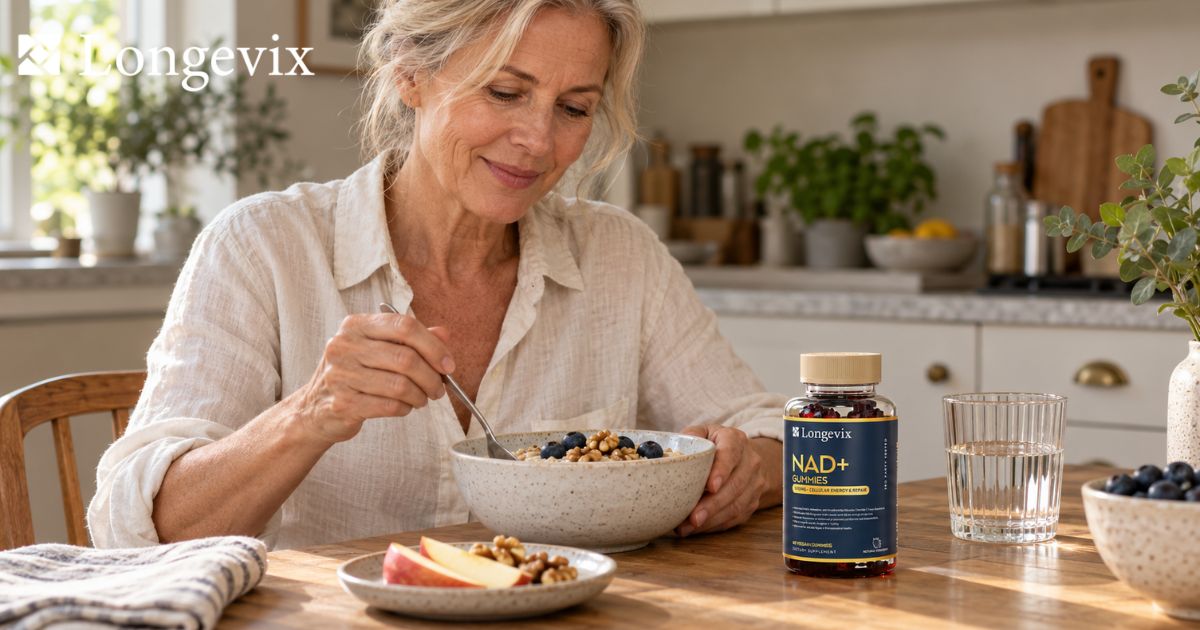
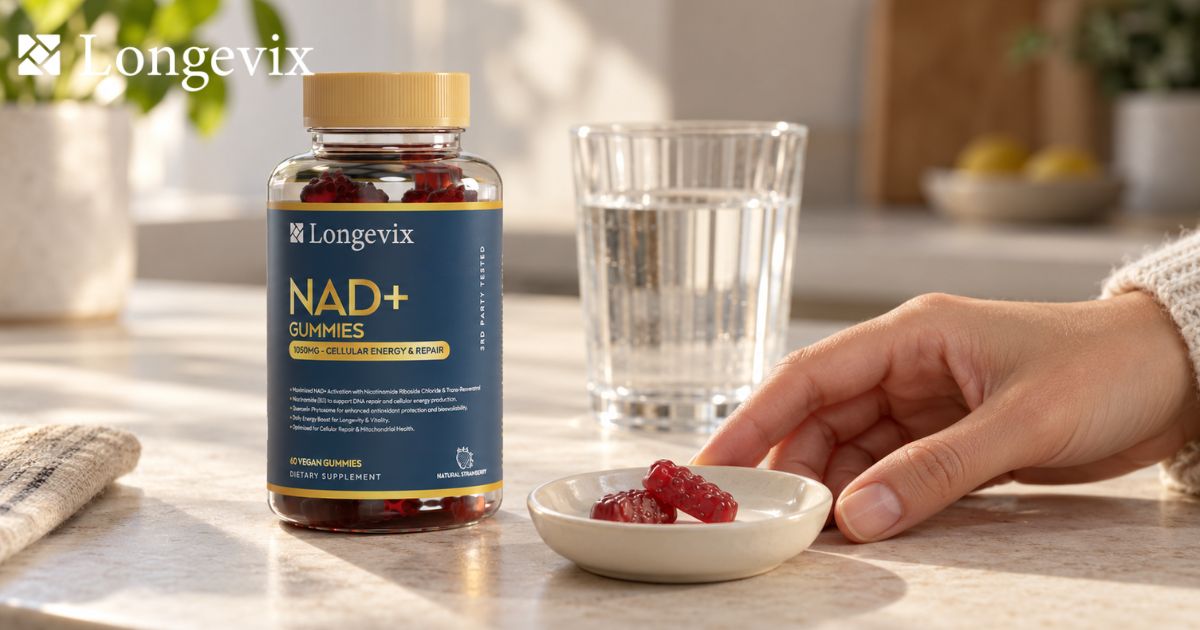
The current Longevix NAD+ Support Gummies contain four identified active ingredients. A labelled serving consists of two gummies, with 30 servings per bottle. Quercetin and trans-resveratrol make this formulation relevant to antioxidant research. However, the product also contains NAD-related ingredients with different biochemical roles.
The distinction matters when comparing formulas. Nicotinamide riboside is an NAD+ precursor, while nicotinamide is a form of vitamin B3. Neither should be confused with a direct promise of better healthspan. The product's strawberry-flavoured gummy format provides convenience, but convenience alone doesn't demonstrate absorption advantages or clinical effectiveness.
What Does Each Two-Gummy Serving Contain?
The following table reflects the quantities currently published on the Longevix product page. These amounts describe the formulation rather than guaranteed effects. Check the physical packaging for complete ingredients, allergens and current directions. Research on an individual compound doesn't establish that the exact finished combination delivers the same outcomes.
|
Active ingredient |
Amount per two gummies |
Scientific context |
|
Nicotinamide riboside (NR) |
300mg |
NAD+ precursor research |
|
Quercetin |
250mg |
Flavonoid and cellular signalling research |
|
Trans-resveratrol |
250mg |
Plant polyphenol and metabolic signalling research |
|
Nicotinamide (vitamin B3) |
250mg |
Vitamin B3 and NAD metabolism |
Source: Current Longevix NAD+ Support Gummies product description.
Does Combining These Ingredients Make Them More Effective?
Combination formulas can look impressive because several ingredients appear together. Yet that doesn't establish a special biological advantage. Researchers would need trials comparing the complete formulation with suitable controls. Without those trials, claims of superior absorption, stronger antioxidant protection or extended life remain unproven. More ingredients can also create additional interaction considerations.
How Do Other Longevix Supplements Compare?
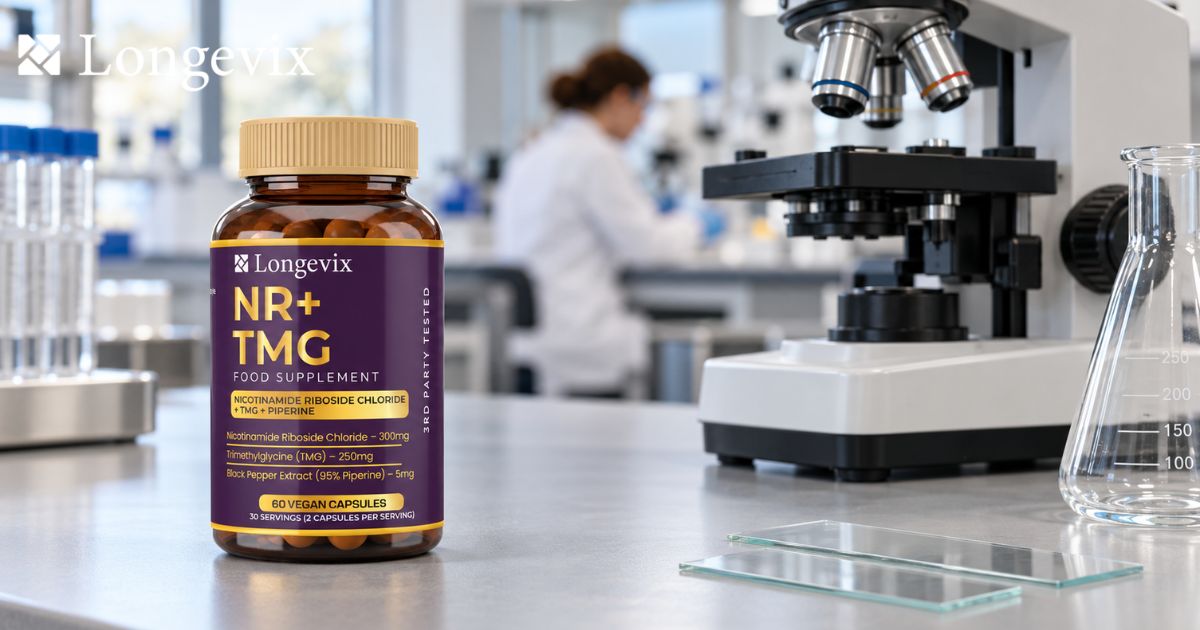
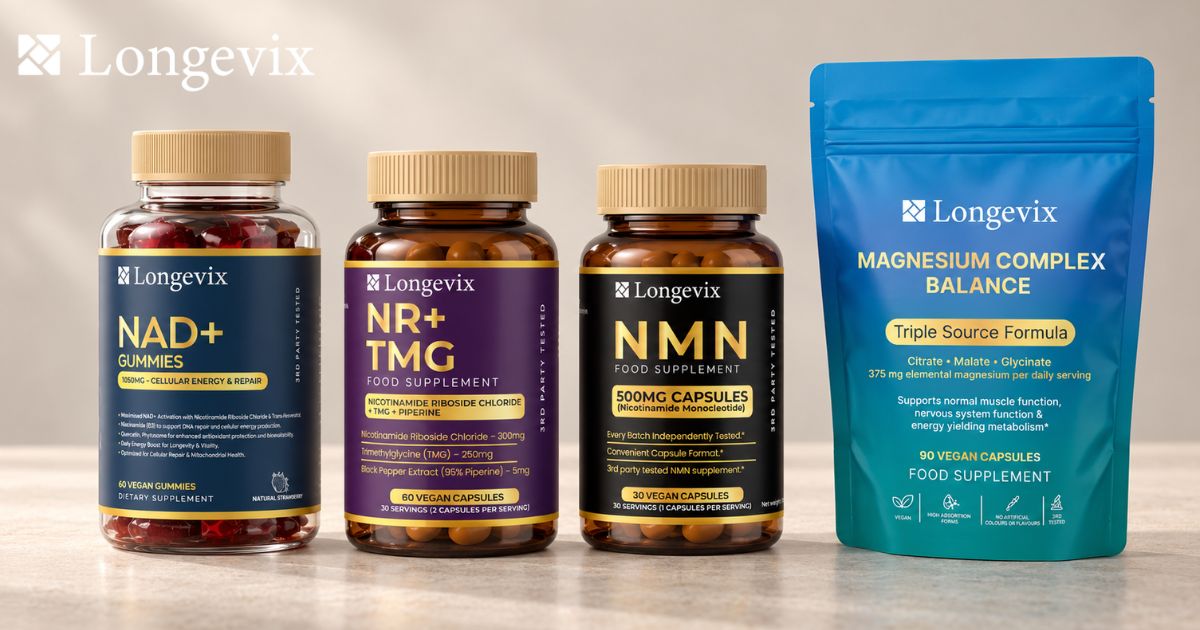
Not every longevity-related supplement belongs in the antioxidant category. Longevix NR + TMG Capsules combine 300mg NR, 250mg trimethylglycine and 5mg piperine per two-capsule serving. TMG participates in methyl-donor pathways. However, its presence doesn't establish that NR users require additional methylation support or gain longevity benefits.
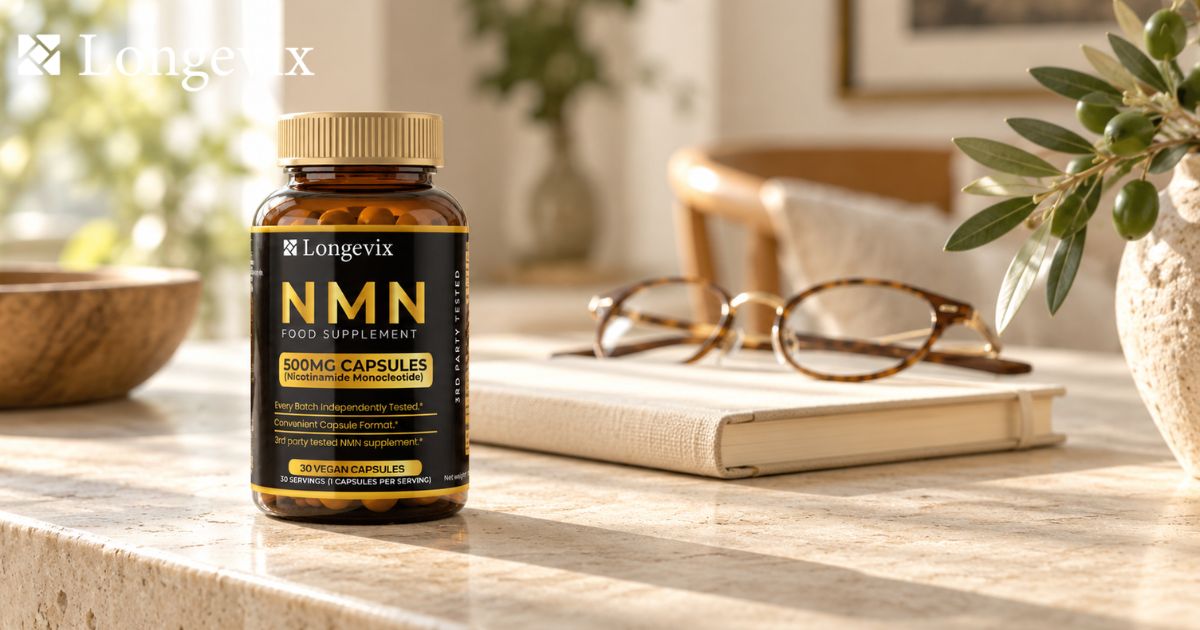
Likewise, Pure NMN Capsules provide 500mg NMN per capsule. The Magnesium Complex supplies 375mg elemental magnesium per three-capsule serving. These products belong to different nutritional discussions. Comparing their actual roles prevents the mistaken assumption that every longevity ingredient works as an antioxidant.
A Practical Example: Comparing Two Longevix Labels
Imagine choosing between NAD+ Support Gummies and NR + TMG Capsules. Both list nicotinamide riboside, yet their remaining ingredients differ substantially. The gummies include quercetin and trans-resveratrol, while the capsules contain TMG and piperine. Neither combination has proven lifespan benefits. Your comparison should therefore consider formulation, evidence, total intake and professional safety advice.
Food and Lifestyle Habits That Support Healthy Ageing
Before spending money on another supplement, examine everyday food choices. Colourful vegetables, fruit, beans, nuts and whole grains provide nutrients alongside fibre and other plant compounds. According to the NHS Eatwell Guide, adults should aim for at least five portions of varied fruit and vegetables daily. Supplements cannot simply recreate every benefit of a balanced diet.
Movement matters too. Regular exercise supports cardiovascular fitness, muscle function and independence as you age. Adequate sleep, avoiding smoking and limiting excessive alcohol intake also belong in a sensible health routine. Together, these habits address several established health risks. A supplement should never replace them or distract from a relevant medical assessment.
A Realistic Food-First Day
Breakfast might include porridge, berries and a handful of nuts. At lunch, add a colourful salad with beans and whole grains. Later, enjoy vegetables alongside a protein-rich evening meal. This ordinary approach offers varied nutrients without relying on extravagant claims. Start with sustainable habits rather than chasing an imagined perfect antioxidant score.
How to Choose a Quality Antioxidant Longevity Supplement
A useful label tells you exactly what you're taking. Check ingredient names, quantities per serving, directions, allergens and warnings. Avoid confusing a two-capsule serving with the amount inside one capsule. Likewise, don't assume every product mentioning longevity contains the same compounds. Compare the declared formulation before evaluating any marketing headline.
Documentation also deserves attention. Longevix provides a Certificates of Analysis page containing available product-testing records. A certificate can identify tests performed on a particular sample or batch. However, it doesn't automatically establish clinical effectiveness. The report must match the relevant product and show the actual tests and results.
What Should You Look for in a Testing Document?
Begin with the product name and batch or lot number. Then examine the laboratory details, date, methods, units and reported results. Check whether the document assesses identity, ingredient amount or specific contaminants. A report covering one characteristic doesn't prove every other characteristic. Above all, a purity result cannot demonstrate longer life.

Does a Higher Dose Mean Better Results?
Higher quantities may increase cost or exposure without providing greater benefits. For example, a product containing multiple forms of vitamin B3 can add to your total intake. Separate supplements may duplicate those ingredients. Review every label together before combining products. A qualified professional can help assess whether the amounts suit your circumstances.
Safety, UK and US Regulations, and Smart Next Steps
Safety deserves the same attention as promising laboratory findings. Some antioxidant compounds can interact with medicines or create problems at high doses. Anyone taking anticoagulants, receiving cancer treatment, managing a medical condition, or considering supplementation during pregnancy or breastfeeding should seek professional guidance. Don't assume that a plant-derived ingredient is automatically harmless.
Regulatory expectations also differ across countries. Great Britain restricts food-supplement health claims through its nutrition and health claims framework. In the United States, the FDA explains that dietary supplements generally aren't approved for effectiveness before sale. Neither system treats ordinary supplement marketing as proof of lifespan extension.
Why NMN Requires Special Attention in the UK
NMN appears in longevity discussions but has a distinct regulatory question in Great Britain. The Food Standards Agency's β-NMN application RP-2116 remains listed as undergoing risk assessment. Consequently, consumers and retailers shouldn't assume that a listed NMN product has completed the applicable novel-food authorisation process. Always verify the current official position.
Making a Confident Decision Without the Hype
An antioxidant longevity supplement can offer an interesting starting point for learning about cellular biology. However, no currently established evidence shows that Longevix's antioxidant-related gummy formulation extends human life. Focus instead on ingredient transparency, appropriate safety checks and realistic expectations. Explore the verified Longevix supplement range with those principles in mind.
Frequently asked questions
Do antioxidant supplements help you live longer?
No antioxidant supplement has convincingly demonstrated that routine use extends human lifespan. Laboratory findings and changes in biomarkers don't establish extra years of life.
Which antioxidant is best for healthy ageing?
There isn't one proven best antioxidant supplement for healthy ageing. Your nutritional needs, overall diet, medical history and quality of evidence matter more than a product's antioxidant marketing.
Is resveratrol effective for longevity?
Resveratrol has interesting cellular and metabolic research, but human studies haven't established that taking it extends lifespan or reliably slows ageing.
Can you take antioxidant supplements every day?
Some supplements are designed for daily use, but safety depends on the ingredients, dose and individual circumstances. Follow the label and seek professional guidance when appropriate.
What is the difference between antioxidants and NAD+ supplements?
Antioxidants relate to oxidative processes and cellular defence. NAD+ supplements generally contain NAD-related compounds or precursors such as NR or NMN, which have different biological roles.