
Searching for a dna repair supplement can feel like choosing between science and spectacular promises. Every cell already runs systems that recognise many kinds of genetic damage. Certain nutrients help those systems function normally, especially when your diet falls short. Yet a plausible biological role isn't proof that swallowing more will restore damaged DNA. Before buying, compare the ingredient, amount per serving, human research and applicable rules.
This guide explains cellular DNA repair, genomic stability, oxidative DNA damage and NAD+ pathways. It also examines real Longevix products, including their published labels and certificates. You'll leave knowing which details matter, which claims remain uncertain and where caution genuinely helps.
What Can a DNA Repair Supplement Really Do?
A supplement cannot replace your body's remarkable maintenance machinery. Cells already use DNA repair enzymes to recognise genetic errors and coordinate corrections. Nutrients support normal physiology, particularly when dietary intake is insufficient. However, an ingredient's involvement in a biological process doesn't establish that taking extra amounts will improve that process.
The most useful way to evaluate DNA repair supplements is to separate biological mechanisms from clinical results. A laboratory study might show changes in cellular activity. A human trial might demonstrate improved blood markers. Neither automatically proves fewer mutations, improved health or longer life. Reliable claims need appropriate human evidence.
DNA Repair Enzymes and Their Natural Role
Think of DNA as an instruction manual that requires continuous proofreading. Base excision repair corrects certain chemically altered bases, while nucleotide excision repair removes larger distortions. Other DNA repair pathways manage DNA strand breaks. These systems use specialised proteins and cellular resources. No supplement has been shown to replace their intricate work.
What Causes DNA Damage in Everyday Life?
DNA faces constant challenges, even when you're healthy. Normal metabolism generates reactive oxygen species that participate in important signalling reactions. Excessive exposure can contribute to DNA lesions and molecular damage. Ultraviolet radiation, tobacco smoke and certain environmental chemicals introduce additional risks that your body's repair machinery must handle.
Ageing adds another layer of complexity. Changes associated with cellular ageing can influence repair responses and stress tolerance. However, ageing doesn't mean your cells suddenly stop maintaining genetic material. Practical DNA damage protection begins with limiting avoidable exposures and supporting normal health rather than chasing products that promise genetic perfection.
Oxidative Stress and DNA Damage Markers
Scientists investigate markers such as 8-oxodG, which reflects aspects of oxidative damage to DNA. They also study chromosome aberrations and the activity of different repair pathways. These measurements provide useful research information. However, changing one laboratory marker doesn't automatically demonstrate improved health, reduced disease risk or longer human lifespan.
Which Vitamins and Minerals Matter for DNA Maintenance?
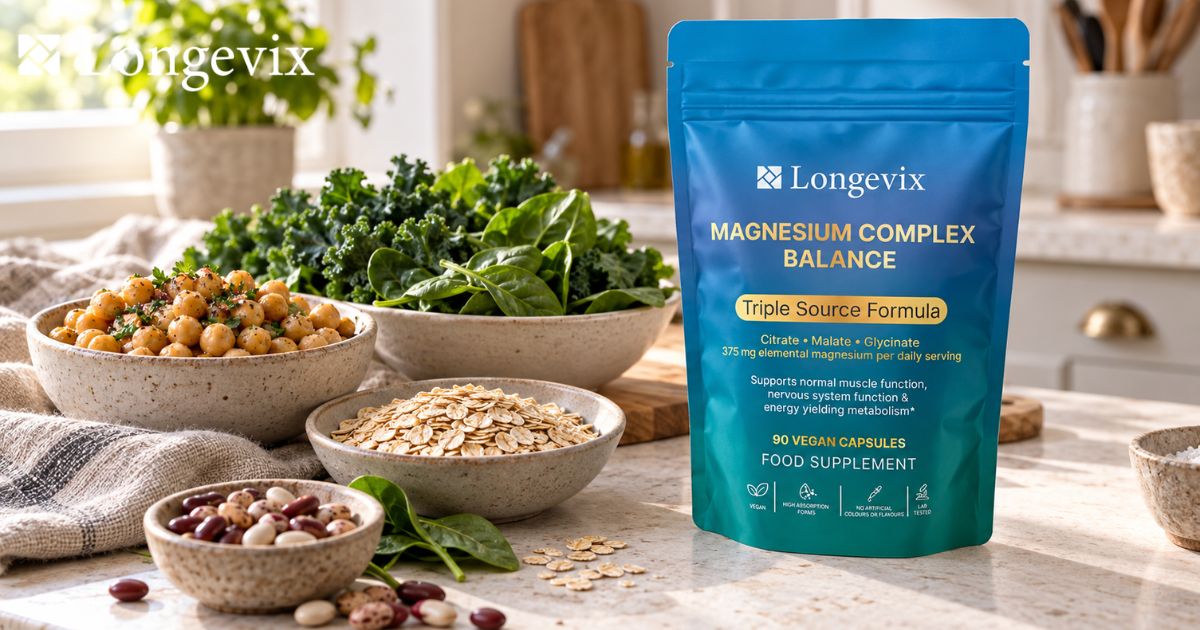
Essential nutrients provide a sensible starting point because the body needs them for normal metabolism. Magnesium supports numerous enzyme reactions, while zinc participates in DNA-related proteins. Selenium contributes to antioxidant enzyme systems. Correcting genuine micronutrient deficiencies has a clearer biological justification than taking extra nutrients without an identified need.
Research also examines vitamin C supplementation, folate, vitamin B12 and vitamin E. These nutrients participate in antioxidant protection or normal DNA synthesis. However, findings depend on nutritional status and study design. A scientific review of nutrition and DNA repair highlights their importance while showing why individual context matters.
Magnesium, Zinc and Selenium: Why Adequacy Matters
Questions about selenium and DNA repair or zinc for DNA repair deserve careful answers. Selenium contributes to glutathione peroxidase, an antioxidant enzyme system. Zinc supports multiple proteins involved in cellular regulation. Magnesium helps normal DNA-related metabolism. Nevertheless, consuming more than you need may introduce risks rather than additional benefits.
NAD+, NR and NMN: Understanding the DNA Repair Connection
Nicotinamide adenine dinucleotide, or NAD+, participates in energy metabolism and cellular signalling. Nicotinamide riboside (NR) and nicotinamide mononucleotide (NMN) enter pathways involved in NAD+ production. Researchers investigate them because certain DNA damage-response enzymes consume NAD+. However, supporting NAD+ metabolism isn't equivalent to proving improved DNA repair in humans.
A 2026 systematic review of NAD+ interventions examined 33 human studies alongside 80 rodent studies. Human trials frequently demonstrated changes in NAD-related biomarkers, but broader clinical results remained inconsistent. This evidence supports continued research, not guarantees of rejuvenation, restored chromosomes or improved lifespan from NR or NMN supplements.
How Do PARP Enzymes Use NAD+?
PARP enzymes help detect certain types of DNA damage and coordinate cellular responses. They consume NAD+ during repair-related signalling. That biochemical connection explains interest in NAD+ precursors, yet additional NAD+ availability doesn't guarantee faster or more effective repair. Likewise, DNA methylation involves separate regulatory processes and shouldn't be confused with physical correction of damaged DNA.
Antioxidants and DNA Repair: Helpful or Overhyped?
Your body maintains an interconnected antioxidant defence system. Vitamins, minerals and enzymes contribute to its normal operation. Eating fruit, vegetables, seeds and other nutritious foods helps provide essential compounds. However, antioxidants aren't miniature repair tools that travel directly to damaged chromosomes and restore their original genetic sequence.
Plant compounds such as quercetin and resveratrol attract scientific interest for their effects on cellular signalling. Researchers also examine how nutrition relates to oxidative stress. Nevertheless, results from laboratory or animal experiments often differ from human findings. A supplement's antioxidant activity alone cannot establish prevention of disease or reversal of DNA damage.
Quercetin and Resveratrol: What Does Research Suggest?
Quercetin is a flavonoid found in various plants. Resveratrol is a polyphenol associated with grapes and other botanical sources. Both influence biological pathways in experimental studies. However, absorption, dose and study duration affect results. Neither compound has established reliable clinical effectiveness for repairing damaged human DNA or reversing biological ageing.
Comparing Real Longevix Supplement Ingredients
Understanding available products becomes easier when you compare actual labels instead of marketing slogans. The Longevix supplement shop lists eight products, including magnesium, NR, NMN and TMG formulations. Their ingredients connect with different nutritional or metabolic processes. None should be presented as a clinically proven DNA-repair treatment.
The key differences involve ingredient identity, serving amounts, formats and product documentation. An NAD+ precursor isn't interchangeable with magnesium or a methyl donor. Likewise, capsules and gummies can contain overlapping ingredients. Knowing these distinctions helps you compare products without assuming that a complex formula automatically produces better results.
Verified Longevix Product Comparison
|
Longevix product |
Published labelled serving |
Scientific context |
|
375 mg elemental magnesium from three capsules |
Essential mineral involved in normal cellular metabolism |
|
|
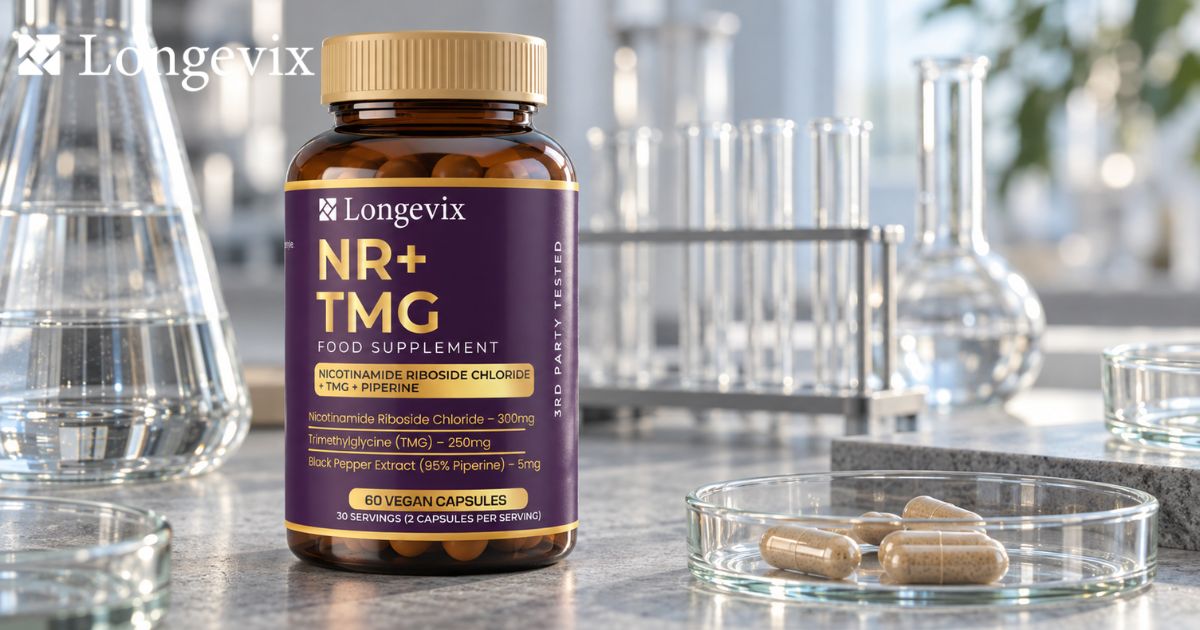
300 mg NR, 250 mg TMG and 5 mg piperine per two capsules |
NAD+ precursor and methyl-donor formulation |
|
|
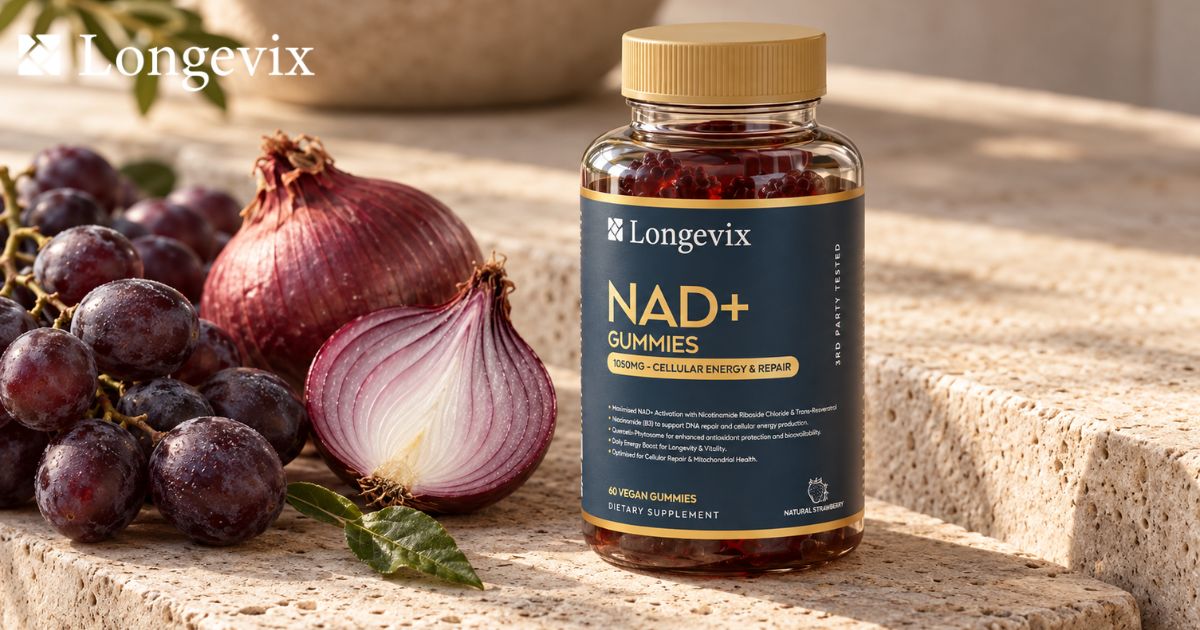
300 mg NR, 250 mg quercetin, 250 mg trans-resveratrol and 250 mg nicotinamide per two gummies |
Multi-ingredient NAD+-related formulation |
|
|
500 mg NMN per capsule |
NAD+ precursor |
|
|
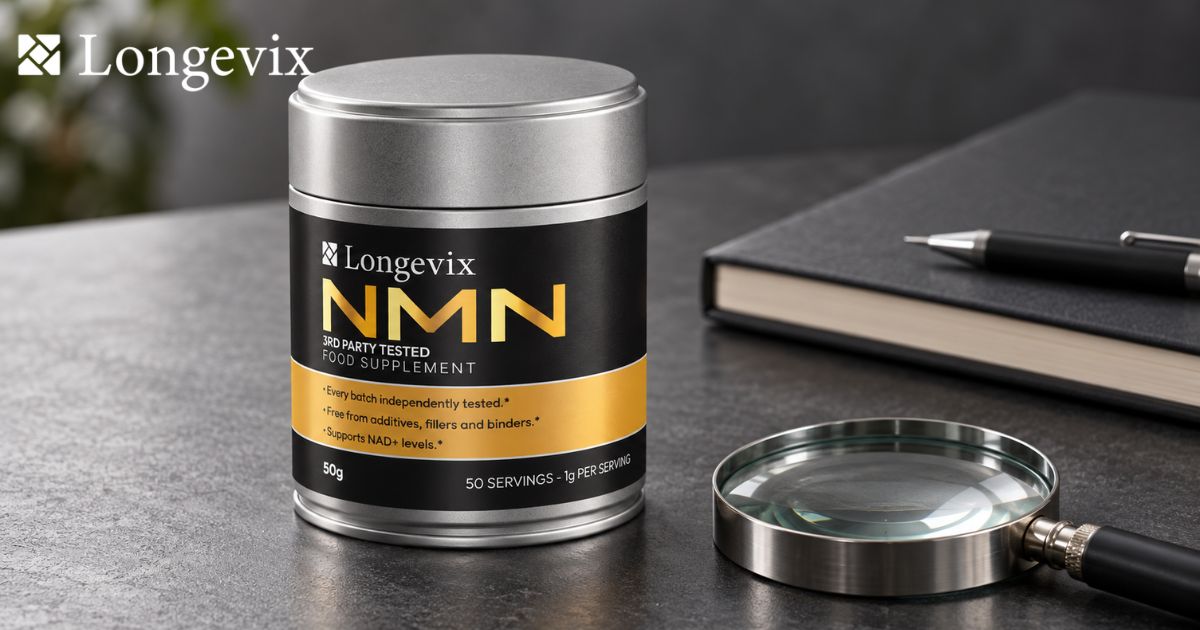
1,000 mg NMN per labelled serving |
NAD+ precursor |
|
|
1,000 mg nicotinamide riboside chloride per labelled serving |
NAD+ precursor; GB regulatory concern |
|
|
1,000 mg TMG per labelled serving |
Methyl-donor compound |
|
|
Four gummies containing creatine, taurine, TMG and vitamin B12 |
Energy metabolism; not established as direct DNA repair |
The figures describe published product specifications, not recommended doses or guarantees of suitability. Always check the current physical label and applicable regulations.
Understanding Product Differences
Longevix's NR + TMG Capsules provide a fixed combination, while its NAD+ gummies include several additional compounds. Pure TMG powder belongs to a different metabolic category. Although these formulas involve related cellular processes, combining them hasn't demonstrated superior DNA repair. Each ingredient deserves individual scrutiny.
How to Read a DNA Repair Supplement Label
Start with the exact ingredient name rather than the product's front-facing promise. Nicotinamide riboside chloride, NMN and NAD+ are chemically distinct. Next, examine quantities per serving, number of servings, warnings and ingredient forms. A 50g powder container doesn't automatically indicate its daily amount or suitability.
Pay particular attention to mineral labels. Longevix's Magnesium Complex lists 2,223 mg of magnesium complex, providing 375 mg of elemental magnesium across three capsules. Those figures describe different things. Understanding that distinction prevents comparisons based solely on the largest number printed on packaging.
Detecting Duplicate Ingredients Before Buying
Suppose someone considers Longevix NR + TMG Capsules alongside NAD+ Support Gummies. Their published serving figures each list 300 mg NR. Taken together, that would mean 600 mg of labelled NR before considering ingredient forms or restrictions. This is a hypothetical overlap calculation, not a suggested combination or safe daily intake.
How to Evaluate Supplement Testing Certificates
Product testing helps you investigate whether a sample meets particular quality specifications. A Certificate of Analysis (COA) may document ingredient identity, purity, assay results or selected contaminants. However, the exact tests vary between reports. A certificate shouldn't be interpreted as proof that every possible impurity was tested.
Longevix publishes available documents through its Certificates of Analysis page. The current directory lists five product documents covering NAD+ gummies, NR powder, NMN capsules, NMN powder and TMG powder. These records can support informed comparisons, provided the document matches the correct product and batch.

What a Certificate Cannot Prove
A COA doesn't prove that taking a supplement repairs DNA or extends human life. Instead, examine the product name, batch reference, laboratory, date and testing methods. Then compare reported values with the stated specifications. A purity result for one sample cannot establish the quality or effectiveness of every future batch.
DNA Repair Supplements: UK and US Regulatory Differences
Food supplement rules differ between markets. In Great Britain, companies must follow applicable ingredient authorisations and health-claim requirements. UK Government guidance prohibits food claims implying treatment, prevention or cure of disease. Consequently, biological research cannot automatically justify a commercial promise that a supplement restores damaged DNA.
The US regulatory framework differs. The Food and Drug Administration generally doesn't approve dietary supplements for safety and effectiveness before marketing. Businesses still have legal responsibilities concerning ingredients, safety and truthful claims. Availability online shouldn't be mistaken for proof that a specific product meets every requirement.
NR, NMN and Magnesium: Important Safety Considerations
Great Britain's NR chloride authorisation specifies 300 mg/day for general adult food supplements. Longevix's NR powder lists 1,000 mg per serving, requiring regulatory review. A separate NMN application remains in progress. Meanwhile, the US NIH sets a 350 mg/day adult upper limit for supplemental magnesium unless medically supervised.
How to Make a Better DNA Repair Supplement Buying Decision
A sensible decision begins with your nutritional needs rather than an impressive advertising claim. Review your diet, current supplements and any relevant medical advice. The strongest case for additional nutrients usually concerns inadequate intake or an identified deficiency. Healthy ageing supplements can't replace balanced nutrition, regular activity, adequate sleep or protection from avoidable exposures.
For wider scientific context, explore Longevix's existing Best Supplement for DNA Repair guide. Then examine the Longevix Science page and available product documents. Choose clarity over exaggerated expectations. Understanding what an ingredient hasn't proved can be just as valuable as knowing what it does.
Daily Habits, Professional Advice and Next Steps
You can support normal cellular health through varied meals, physical activity, sleep and sensible sun protection. Meanwhile, seek professional advice before supplementing during pregnancy, breastfeeding, medical treatment or prescription medicine use. People undergoing cancer treatment should discuss supplements with their clinical team. No online product comparison can replace personalised safety assessment.
Frequently asked questions
What supplements help repair DNA?
Magnesium, zinc, selenium and certain vitamins support normal functions related to DNA maintenance. However, no supplement has conclusively demonstrated clinically meaningful DNA repair benefits in humans.
Can supplements reverse DNA damage?
Current research doesn't establish that dietary supplements reverse accumulated DNA damage or biological ageing. Changes in biomarkers are not proof of restored genetic material.
Can DNA damage be repaired naturally?
Yes. Your cells constantly identify and repair many forms of DNA damage using specialised biological pathways. Good nutrition supports normal cellular function.
How does NAD+ contribute to DNA repair?
NAD+ supplies molecules used by repair-related proteins, including PARP enzymes. Raising NAD+ biomarkers through supplements hasn't reliably demonstrated improved clinical DNA repair outcomes.
Are DNA repair supplements safe?
Safety depends on the ingredient, serving amount, your health, medicines and local regulations. Check the complete label and seek qualified advice when appropriate.