
Humans have always sought ways to extend life and stay healthy as they age. One of the most effective strategies emerging today is fasting for longevity. By practising intermittent fasting, the body undergoes natural cellular repair and reduces harmful inflammation, which are key contributors to ageing.

This approach, combined with smart dietary choices and supplements, can enhance metabolic health and support overall wellness. Research from journals like Nature Journal highlights that structured fasting aids weight management and also strengthens the body’s natural defence systems. With consistent practice, fasting becomes a powerful tool to live longer, healthier, and more energetic lives.
What Is Intermittent Fasting, and How Does It Work?
Intermittent fasting is not about starving yourself. It is a structured approach to eating that alternates between periods of eating and fasting. Popular methods include the 16/8 method, where you eat in an eight-hour window and fast for sixteen hours. This schedule allows your body to burn stored fat, enhance insulin sensitivity, and trigger cellular repair processes.
During fasting, the body undergoes important shifts. Hormones like insulin decrease, while insulin-like growth factor 1 levels drop, reducing risk factors for ageing. Calorie restriction during these periods encourages the body to maintain energy efficiently. Studies indicate that consistent time-restricted eating improves metabolic health and aids weight management. This approach is practical, flexible, and backed by science, making it ideal for both beginners and advanced practitioners in the USA and UK.
The Science Behind Fasting and Longevity
Fasting’s benefits are deeply rooted in science. One of the key processes activated during fasting is autophagy, a natural mechanism for cellular repair. Autophagy cleans out damaged cells and proteins, reducing oxidative stress and inflammation, which are major contributors to ageing. Research published in the Nature journal highlights that intermittent fasting can slow the ageing process and improve lifespan in mammals.
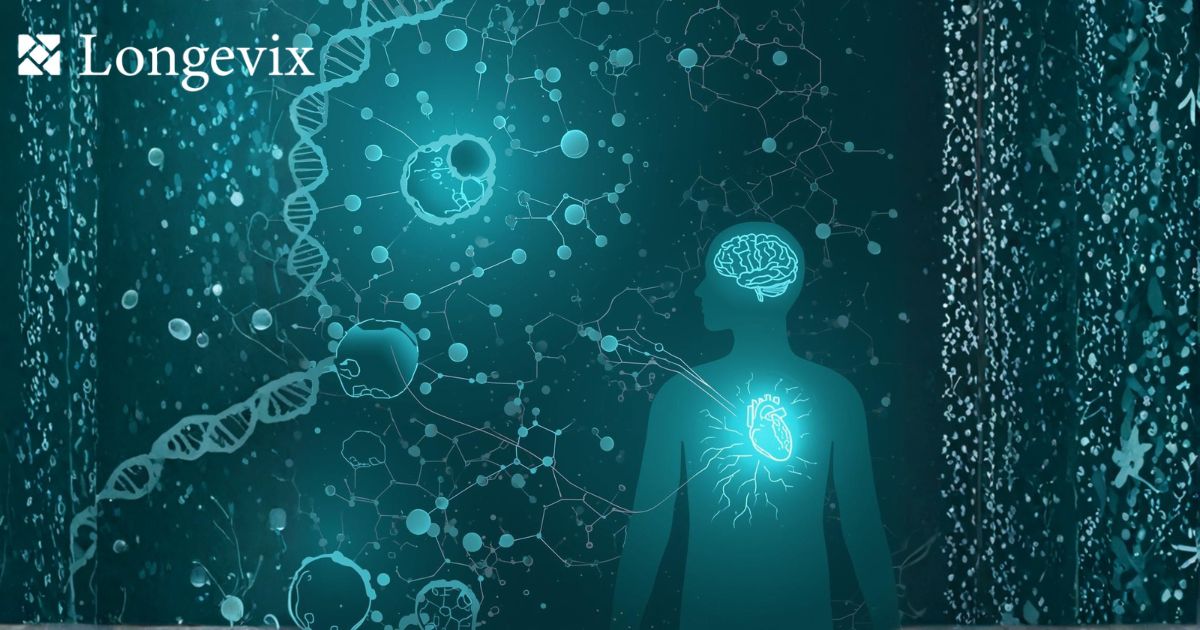
Fasting also reduces insulin-like growth factor 1, which is linked to cell proliferation and cancer risk. Moreover, studies in Science Translational Medicine reveal that fasting lowers inflammation and improves cardiovascular health. In humans, periodic fasting combined with nutrient restriction enhances brain-derived neurotrophic factor, supporting brain health and cognitive function. These scientific insights show that fasting for longevity is more than a trend, it is a lifestyle rooted in cellular biology.
How Intermittent Fasting Helps You Live Longer
Intermittent fasting directly impacts longevity by improving key health markers. By enhancing insulin sensitivity, the body better regulates blood sugar, reducing the risk of type 2 diabetes. Improved cardiovascular health is another benefit, as fasting lowers blood pressure, cholesterol, and triglycerides.
Fasting also promotes anti-ageing mechanisms. Lowered insulin-like growth factor 1 and increased autophagy reduce cellular damage. Clinical studies suggest that people practising time-restricted eating show better outcomes in blood tests for longevity, including cholesterol, fasting glucose, and inflammatory markers. Combining fasting with healthy fats and lean protein further supports weight management and overall health. Longevix supplements, including the best NMN supplement, can amplify these benefits by supporting mitochondrial function and cellular repair.
Different Types of Intermittent Fasting for Longevity
There are several ways to practise intermittent fasting, each with unique advantages. The 16/8 method is widely popular, allowing you to fast overnight and eat during the day. This is ideal for beginners in the USA and UK who want gradual adaptation. Advanced protocols include 18:6 and 20:4, where fasting periods are longer and provide deeper metabolic benefits.
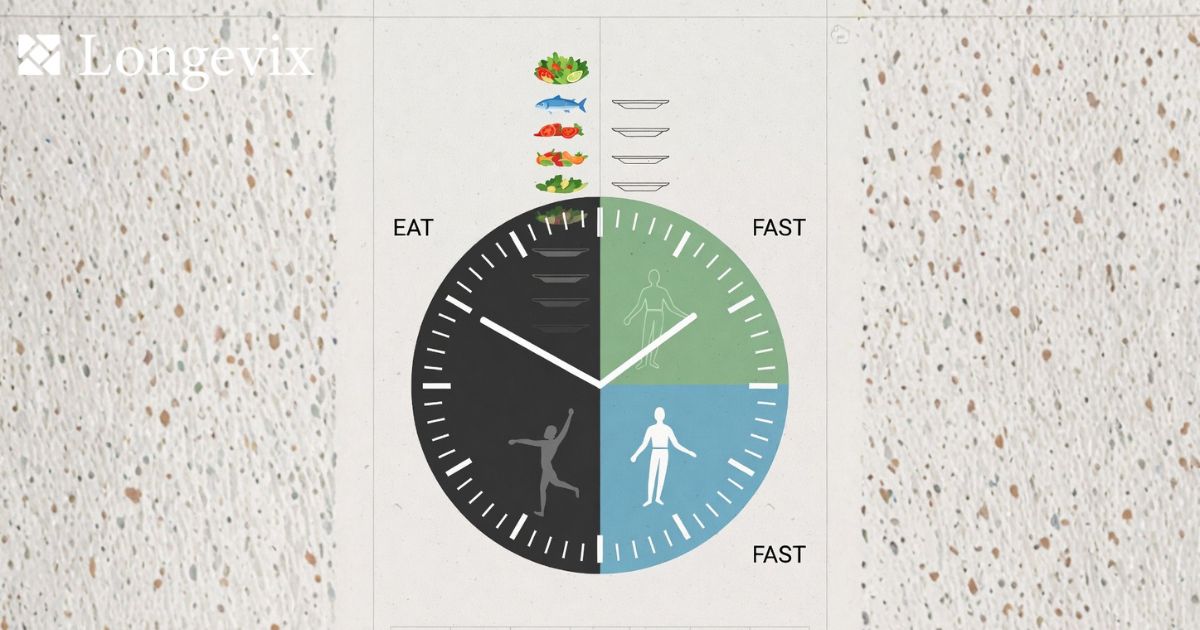
Another approach is the fasting-mimicking diet, which mimics fasting effects while still providing minimal calories. The 5:2 method involves fasting two days per week while eating normally the rest. A table below compares these methods for clarity:
|
Fasting Type |
Fasting Hours |
Primary Benefit |
|
16/8 Method |
16 |
Improved insulin sensitivity, weight management |
|
18:6 Method |
18 |
Stronger cellular repair, better anti-aging |
|
20:4 Method |
20 |
Deeper autophagy, enhanced longevity |
|
5:2 Method |
40 per week |
Calorie restriction, metabolic flexibility |
|
Fasting-Mimicking Diet |
5 days/month |
Cellular repair, nutrient restriction benefits |
Each method improves metabolic health, supports anti-ageing, and complements the longevity diet for maximum benefit.
Fasting and the Longevity Diet: How They Work Together
Fasting works best when combined with a longevity diet. This diet focuses on nutrient-rich foods, healthy fats, plant-based proteins, and limited refined sugar. Together, intermittent fasting and the longevity diet reduce inflammation, improve cardiovascular health, and optimise cellular repair.
The best NMN supplement can enhance these effects. NMN improves mitochondrial function and supports brain-derived neurotrophic factor, while fasting naturally activates autophagy. Research shows that individuals combining time-restricted eating with the longevity diet experience better outcomes in blood tests for longevity, including reduced triglycerides, glucose, and inflammatory markers.
Health Benefits of Intermittent Fasting Beyond Longevity
Beyond lifespan extension, intermittent fasting provides multiple health advantages. It supports weight management by burning fat and maintaining lean muscle. Fasting improves insulin sensitivity, reducing the risk of diabetes & metabolic syndrome.
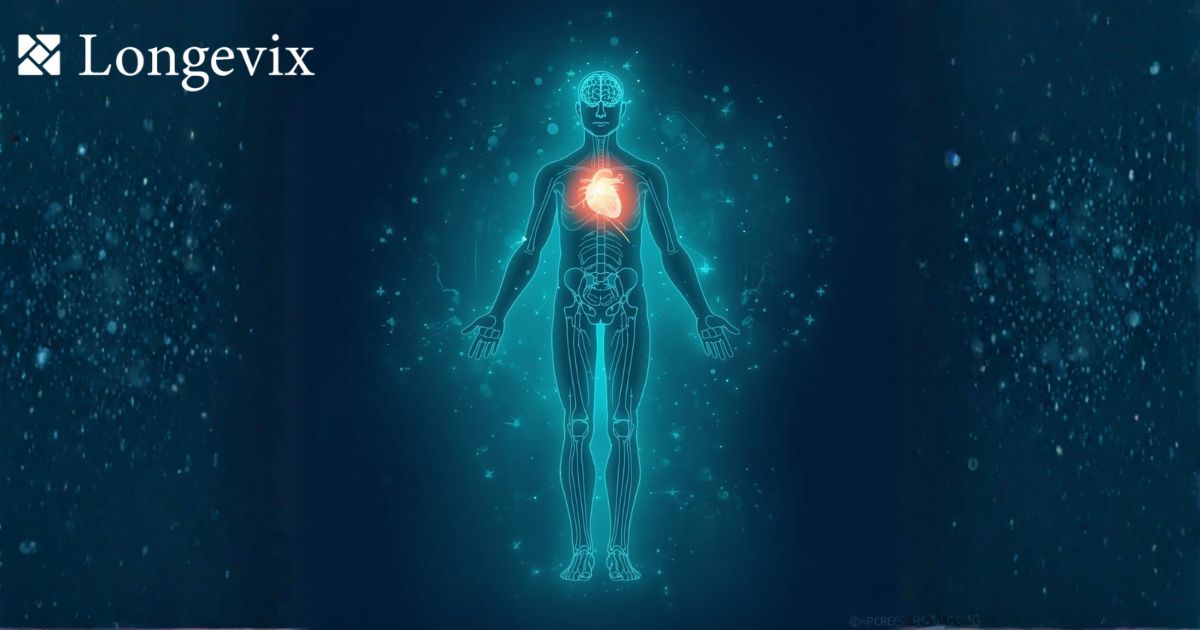
The brain benefits too. Fasting increases brain-derived neurotrophic factor, improving memory and focus. Heart health improves through better cholesterol profiles and reduced blood pressure. Fasting also lowers systemic inflammation, contributing to anti-ageing effects. Combined with NMN supplement benefits, fasting promotes overall resilience, energy, and vitality.
Is Intermittent Fasting Safe for Everyone?
While intermittent fasting offers many benefits, it is not suitable for everyone. Pregnant women, people with certain chronic diseases, or those with a history of eating disorders should avoid fasting without professional guidance. Older adults should start with mild time-restricted eating and monitor health markers closely.
Medical supervision is crucial for individuals on medications or with blood sugar concerns. Personalised fasting plans ensure metabolic health is maintained and prevent adverse effects. For most healthy adults, fasting is safe and complements a longevity diet and lifestyle focused on anti-ageing.
Common Mistakes People Make While Fasting
Many beginners make mistakes that limit fasting benefits. Overeating during the eating window negates calorie restriction and reduces cellular repair. Ignoring hydration and electrolyte balance can lead to fatigue or dizziness. Choosing poor-quality foods rather than nutrient-rich options lowers the effectiveness of intermittent fasting and the longevity diet.
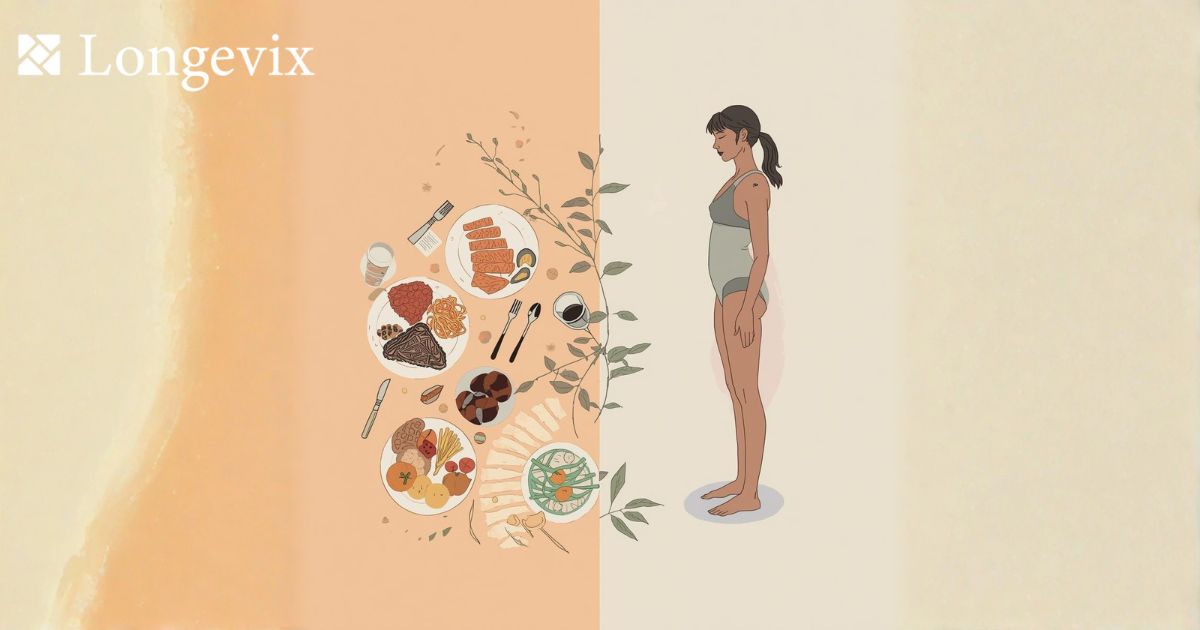
Expecting instant results is another common issue. Longevity tips emphasise consistency, balanced nutrition, and sustainable habits. Integrating supplements can help fill nutritional gaps while supporting metabolic health and anti-ageing.
How to Start Intermittent Fasting Safely
Starting intermittent fasting should be gradual. Begin with the 16/8 method, extending the fasting window slowly over a few weeks. Drink plenty of water, tea, or black coffee during fasting periods to stay hydrated. Pair fasting with healthy fats and nutrient-rich foods during eating windows.
Monitoring progress with blood tests for longevity can track glucose, cholesterol, and inflammation. Over time, your body adapts, hunger stabilises, and weight management becomes easier. Time-restricted eating gradually improves insulin sensitivity, brain health, and energy levels.
Final Thoughts: Is Fasting the Secret to a Longer Life?
Fasting is not a miracle, but it is a proven tool to enhance lifespan and health. Combining intermittent fasting with a longevity diet, calorie restriction, and strategic supplements maximises benefits. Improved metabolic health, cardiovascular health, cellular repair, and anti-ageing mechanisms all contribute to a longer, healthier life.

Consistency, sustainable habits, and scientific approaches are key. Evidence from Nature journal and Science Translational Medicine confirms that fasting combined with proper nutrition and lifestyle changes supports longevity. By adopting these strategies, you can add quality years to your life and unlock your full potential for healthy ageing.
Further Reading and Source Context
These external resources provide background or regulatory context. They do not prove that a particular Longevix product produces the health outcomes discussed above.
Frequently asked questions
Does fasting make you live longer?
Yes, research suggests fasting supports cellular repair and metabolic health, which are linked to a longer, healthier lifespan.
What are the benefits of prolonged fasting?
Prolonged fasting may enhance cellular repair, reduce inflammation, and improve insulin sensitivity when done safely.
Can fasting help you live longer?
Fasting can support longevity by lowering disease risk and activating anti-ageing pathways in the body.
How does intermittent fasting impact longevity?
Intermittent fasting improves metabolic health and triggers cellular renewal processes tied to slower ageing.
Is fasting good for longevity?
Yes, when practised responsibly, fasting promotes anti-ageing benefits and overall long-term health.