Women entering their fifties often look for practical ways to stay strong, energetic and confident, which is why Longevity Tips for Women Over 50 matter more than ever. This stage of life brings unique changes in hormones, muscle mass and daily energy, making it essential to focus on habits that support Ageing well, protect long-term Health and wellbeing and keep you moving with ease.
When you build routines that help you stay independent, every year ahead feels more empowering. Even simple actions like everyday exercise strengthen your body and sharpen your mind. With the right approach, your later years become a time to thrive instead of slow down.
Why Healthy Ageing Matters After 50
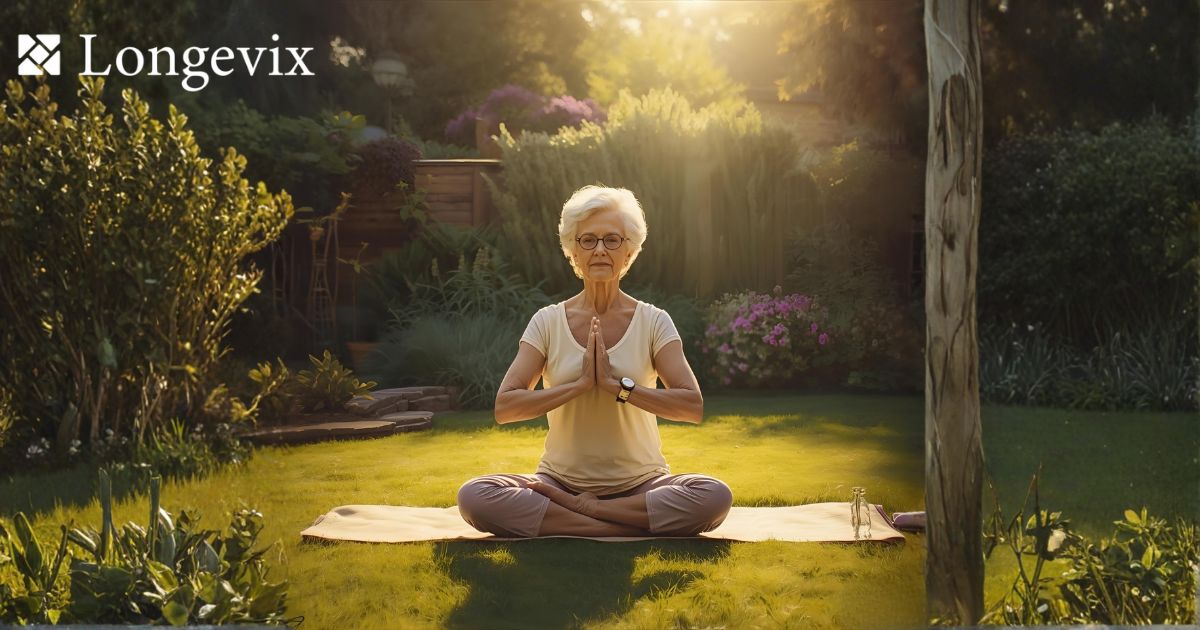
Healthy ageing becomes deeply important during your later years because your body changes in ways you didn’t expect. Hormones shift, bones thin, and muscles weaken if you don’t Stay active and Start now. Many women notice that simple daily tasks feel harder, especially when muscle strength falls. These changes affect Health and wellbeing, so learning how to protect your body early helps you Age better and feel more in control. When you understand these shifts, you get the power to shape the next decades of your life with confidence and joy.
Women also need more awareness of long-term risks that slowly appear over time. As flexibility drops and balance becomes unpredictable, the risk of falls grows. Problems with sleep, energy and mental health also become more visible. That’s why adopting better habits and learning new skills such as functional movements early helps you stay stronger. Even small actions like walking to shops or doing movements that mimic getting out of chair support your ability to Stay independent and enjoy your daily routine. When your lifestyle supports your body, your body supports you back.
Staying Active After 50 – Start Today
Women in midlife often say they feel too busy to exercise, yet this is the very stage where movement everyday becomes the key to long-term comfort. The best time to commit to healthier habits is now because every day you delay makes it harder to regain strength later. You don’t need complicated routines. Even simple activities you enjoy create change, especially when they involve slow, steady movement that keeps joints warm and flexible. When you Make time for yourself, you defend the quality of your future life.
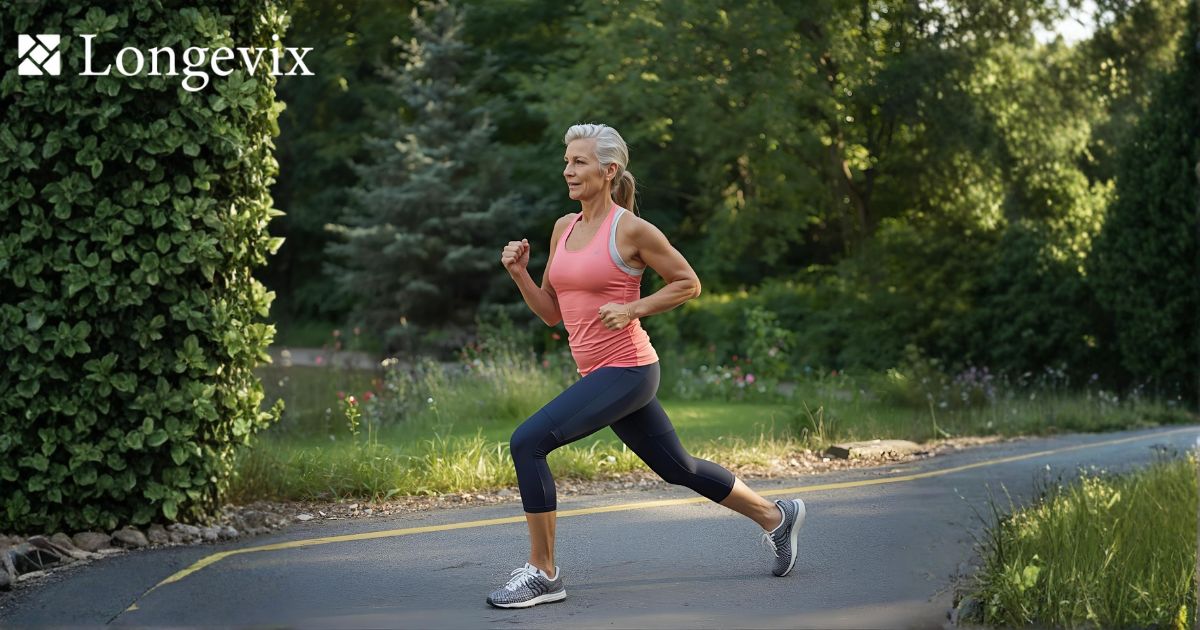
Daily tasks can become gentle workouts without you noticing. Something small like taking stairs helps your heart and legs stay strong. Even light tasks such as gardening counts give your body the rhythm it needs. Ordinary moments add up because the body responds to consistency rather than intensity. When you remind yourself that any activity is better than none, you create a strong foundation for the next steps in your journey toward better ageing.
Strength & Balance: The Foundation of Ageing Better
Building strength after fifty is essential because your body naturally loses muscle each decade. When you use strength training, you protect your bones, increase confidence and support long-term mobility. Women who train consistently notice they feel more stable and energetic. Improving balance also reduces the chance of slips that lead to injuries. That’s why balance improvement must be part of your routine, whether you stand on one leg while brushing your teeth or use light weights at home.
Strength and balance work together like partners. When one grows, the other follows. Training both helps you handle your daily movements with more ease, especially as you age. Tasks like reaching up shelf or lifting groceries become easier when your body feels stronger. Over time, you realise that strength is not only physical. It becomes a mental anchor that helps you Maintain independence, move freely and navigate your environment with less effort.
What Is Jump Training & Is It Safe After 50?
Jump training, also known as plyometrics, involves short bursts of fast, explosive movement. These movements help improve joint response, leg power and body coordination. Women often worry about joint strain, but safe versions of jump work exist for all fitness levels. When done carefully, jump training supports functional fitness and strengthens your muscles in ways that traditional exercise sometimes misses. This method is especially helpful for boosting bone density, which naturally declines with age.
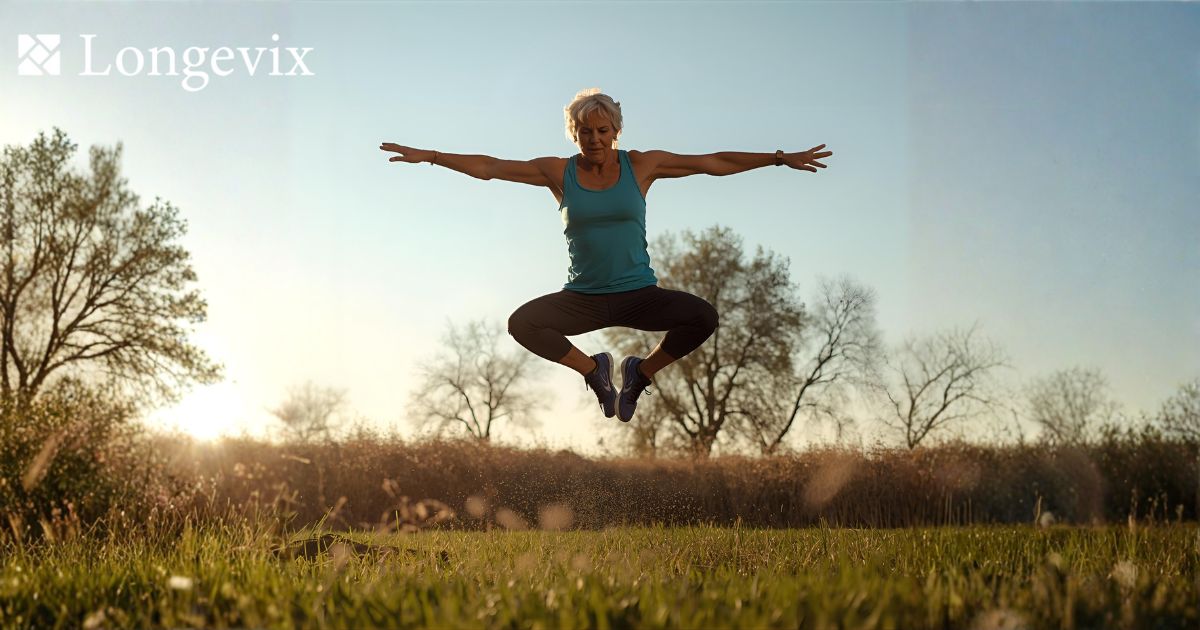
Safety depends on knowing your limits and starting slowly. You can practise soft landings, small hops or chair-based training variations that reduce pressure on the knees. Your goal is to protect your joints while still challenging them. When you combine gentle plyometrics with simple warm-ups and controlled movements, the routine becomes safer and far more effective. You don’t need to jump high. Even tiny lifts of the feet activate muscles that help you stay stable in your later years.
Jump Training Benefits for People Over 50
Jump training builds strong bones, especially in women who face greater risks of osteoporosis after menopause. The quick movements stimulate bone tissues and encourage them to grow stronger. This simple action can lower your risk of falls over time because your legs respond more quickly when you lose balance. Faster reactions help catch you before you stumble. The added sense of security boosts confidence and makes you more willing to stay active.
Cardiovascular health also improves because jump movements raise your heart rate quickly. Your lungs work a little harder, your circulation increases and your energy levels rise. Many women notice better endurance in their daily tasks. When practiced consistently, jump training becomes a powerful tool that supports Health and wellbeing. You feel more agile, more capable and more connected to your body as it adapts to new challenges.
Beginner-Friendly Jump Training Exercises
Women who are new to jumping can begin with slow and steady steps. Small movements such as light toe lifts or gentle hops are enough to activate powerful leg muscles. With time, these movements build confidence and help you adjust to the rhythm. Practising beside a stable chair can offer support while you learn your body’s reactions. Slow progress is key because the goal is to increase stability without stressing sensitive joints.
You can turn everyday tasks into jump-ready training. Simple steps like rising from a seat using only your legs strengthen the same muscles used in jumping. Even small hops while holding a railing help you gain body awareness. This gradual method ensures safety while still offering all the benefits of plyometric training. Women who adopt this strategy notice that activities once considered challenging become easier over time.
Best Exercises to Stay Healthy in Your 50s, 60s & 70s
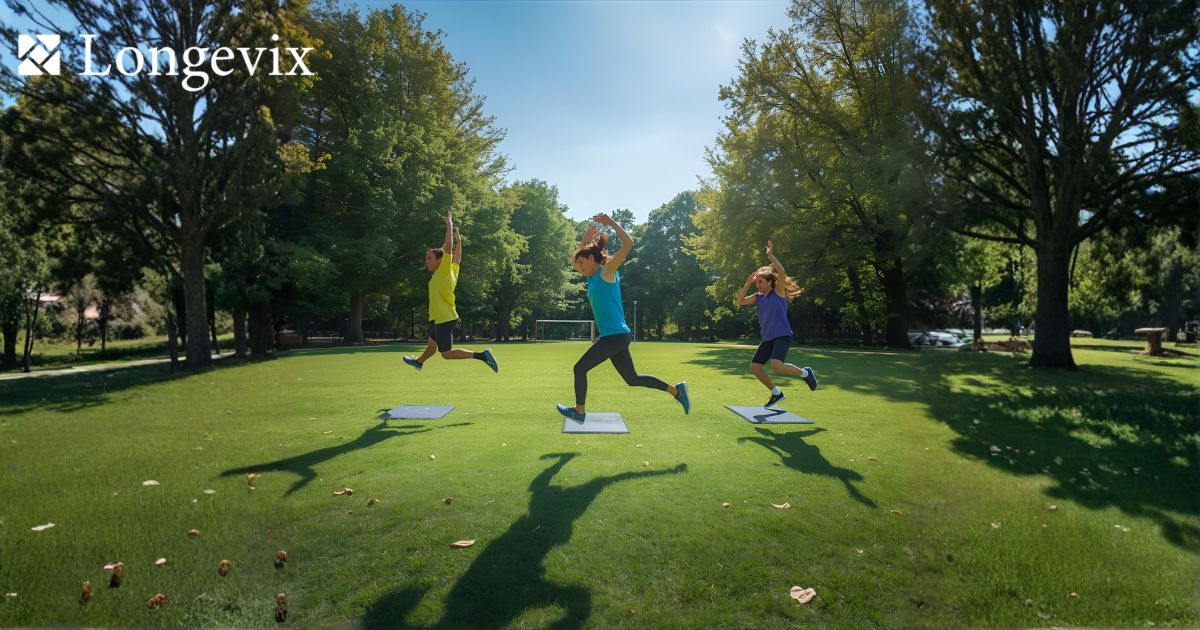
The right exercises shift slightly as you move through each decade. In your fifties, your focus is on maintaining flexibility and rebuilding muscle lost during busy midlife years. Strength training during this period protects your joints and prepares your body for comfortable movement. As you transition into your sixties, joint-friendly routines such as slow yoga and light resistance exercises become even more important because they support steady mobility.
In your seventies, balanced movements help sustain the independence you want. You may prefer gentle activities like stretching, walking or water-based workouts. These routines keep your joints happy and support heart health. Exercise at this age isn’t about intensity. It’s about maintaining energy and reducing the stress placed on bones. Every decade has its needs, yet the goal remains the same. You want to stay active, continue moving and honour your body with actions that feel right for your age.
Daily Movement Habits That Improve Longevity
Daily habits shape your health more than intense workouts. When you move throughout the day, your body stays warm and responsive. Ordinary actions such as moving around the house, stretching your arms or bending to pick things up are forms of everyday exercise. These routines strengthen your muscles naturally and support joint health over time. You don’t have to set aside big chunks of time. Tiny habits make an enormous difference.
Integrating Functional movements into your daily routine helps keep your body steady. Movements like rising from a chair without using your hands or shifting weight from one foot to the other strengthen key muscles. These subtle habits help lower the risk of falls and prepare you for more advanced training if you choose. When you move often throughout your day, you help your body maintain its rhythm and reduce stiffness that grows with age.
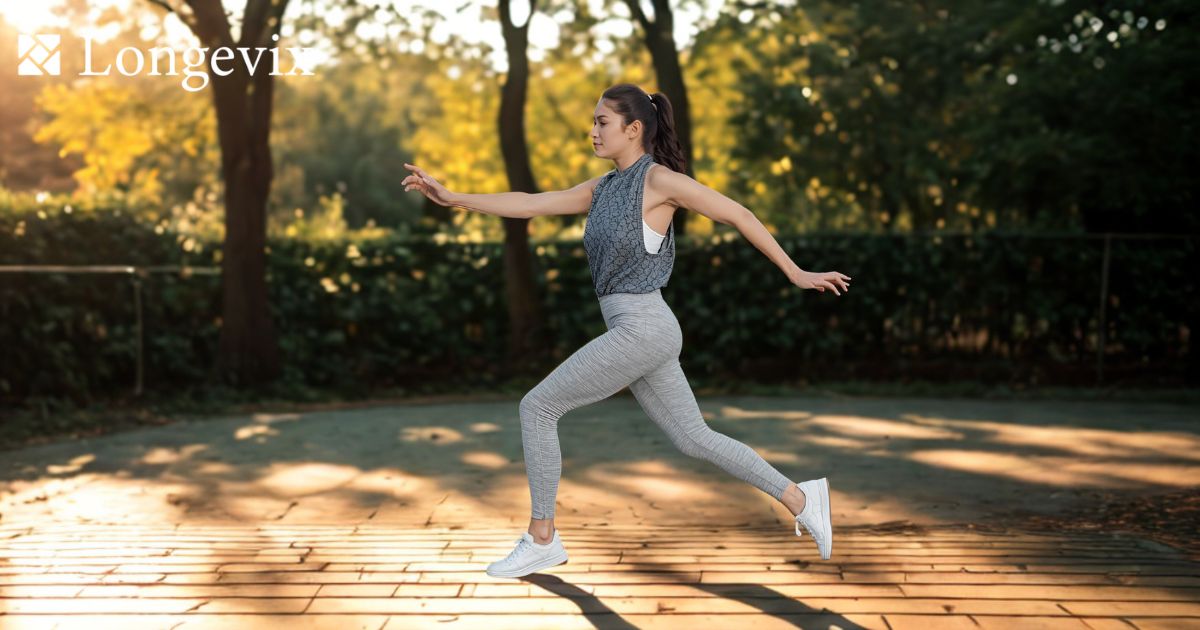
Train Smart: Other Workouts to Combine With Jump Training
Jump training works even better when paired with strength routines. Heavy resistance exercises build stronger muscles which support your joints during fast movements. This partnership gives your body the balance it needs to maintain power without strain. If you mix these workouts wisely, you keep your energy high and your muscles responsive. Placing jump routines before or after your main strength session enhances overall performance.
Sprint intervals also add valuable variety. They help your heart work more efficiently and support long-term metabolic health. For women who prefer slower movements, flexibility and mobility routines offer gentle ways to release tension and keep joints comfortable. Combining different exercises with jump training ensures you challenge your body without overworking it. This balanced method improves coordination and builds long-lasting strength.
Nutrition Tips for Healthy Ageing
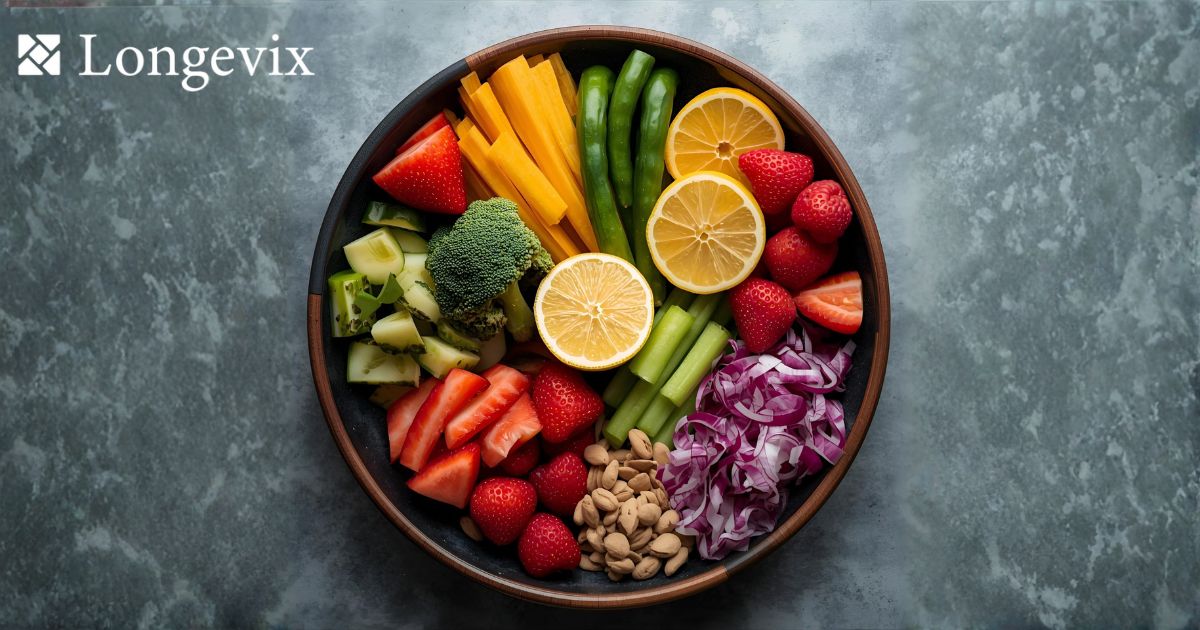
Nutrition becomes the backbone of your ageing strategy because your body needs more vitamins, minerals and protein to recover after exercise. Foods rich in calcium, magnesium and vitamin D strengthen bones. Lean protein sources such as eggs, lentils and fish help repair muscles after training sessions. Women over fifty also benefit from foods high in antioxidants because they reduce inflammation and support healthy cells.
Supplements can support your routine when taken wisely. Options like NAD+ Gummies, NR + TMG capsules and longevity-focused solutions from Longevix offer additional help when your natural levels decline. Always pair supplements with nutritious meals to gain the most benefit. Eating a balanced diet supports energy levels, stabilises mood and keeps your skin healthy. Over time, these consistent choices support your Health and wellbeing and increase your confidence in everyday life.
Social Fitness: Staying Active With Others
Exercising with people you enjoy increases motivation and keeps workouts fun. Joining local walking groups or attending a group class gives you social connection along with physical benefits. Many women feel more confident when surrounded by friendly faces. Training with others also keeps you accountable because it becomes something you look forward to rather than just another task. This emotional support is essential for your mental health as you move through your later years.
Community-based exercise provides a sense of belonging that strengthens commitment. You’re more likely to stay consistent when people cheer you on and share your goals. When movement becomes a shared experience, it feels easier to maintain. Even simple outings like walking with a neighbour or stretching with a friend add joy to your day. Activities done together help you feel stronger, safer and more fulfilled.
Staying Independent: How Lifestyle Choices Influence Ageing
Your lifestyle choices control how well you manage daily activities as you grow older. When you support your mobility with regular exercise, nutritious foods and conscious habits, you make it easier to stay independent. These choices protect your joints and help you avoid injuries that slow your routine. Adding thoughtful routines such as stretching before bed or practising light balance training in the morning strengthens your body for all the tasks that come your way.
Independence also depends on mental clarity and emotional resilience. Creating a peaceful environment, sleeping well and staying intellectually curious support your long-term wellbeing. When your body and mind work together, you move with more confidence. Women who take care of themselves early often notice that their later years feel easier and more rewarding because they took the right steps at the right time.
Consistency over Intensity – The Secret to Ageing Better
Consistency shapes your ageing journey more than short bursts of hard training. When you be consistent, your body adapts slowly but surely. You don’t need long workouts. You simply need to show up every day, even for a short walk or a few minutes of stretching. These small steps protect your joints, support healthier habits and create a routine that feels natural rather than forced.
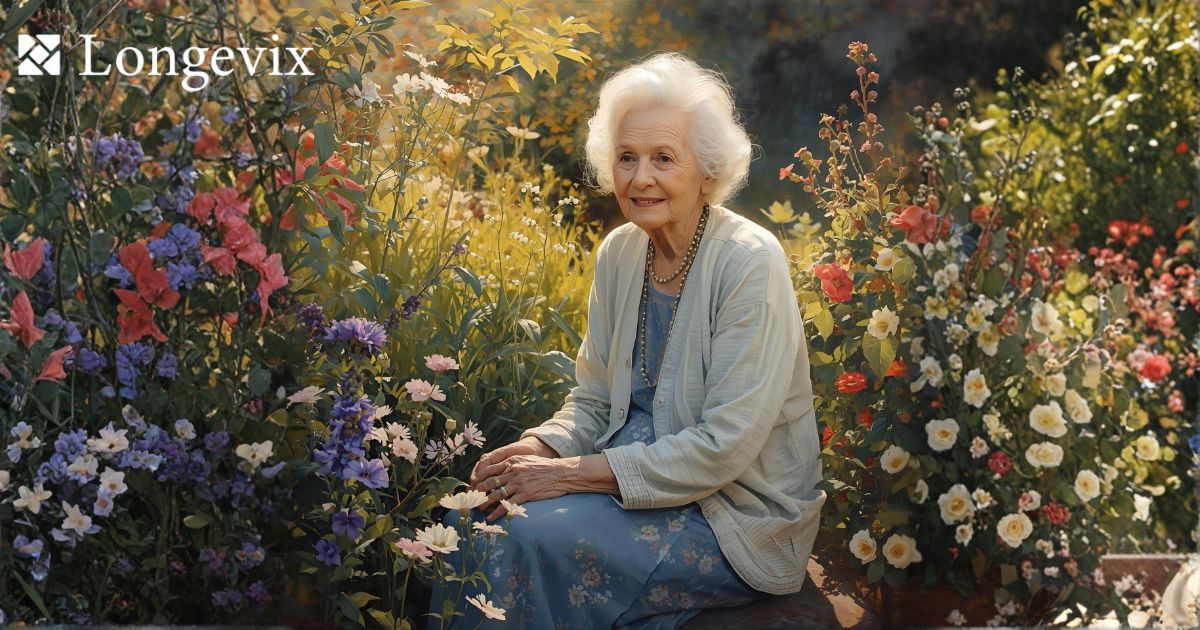
Motivation may fade, but habits remain strong. Creating tiny rituals like drinking water each morning or stretching before bed reinforces your commitment. These repeated actions help you Improve health without overwhelming your schedule. Every week becomes easier when you trust the process. Most women find that once consistency becomes part of their life, they feel stronger, brighter and more connected to their goals.
Final Action Plan: Act Now to Age Better
The best time to begin your journey is right now. You have the power to shape your future health with simple choices made today. Moving daily, choosing nourishing meals and practising habits that support strength and balance create lasting change. These steps carry you through the decades and help you maintain comfort in your everyday routine. When you take action today, you ensure a stronger tomorrow.
Your long-term success depends on your willingness to adapt. Adjust your routine when needed but keep your goals in focus. With consistent effort and smart decisions, your body rewards you with comfort and confidence. Ageing doesn’t mean slowing down. It means moving differently with intention and understanding. When you give yourself the care you deserve, you build a life that feels strong and full at every stage.
Frequently Asked Questions
What should a 50 year old woman do to stay healthy?
A 50-year-old woman should stay healthy by staying active, eating balanced meals, managing stress, and getting regular medical checkups to protect heart, bone and metabolic health.
What is the best exercise for a 50 year old woman?
The best exercise at 50 is a mix of strength training, brisk walking and balance work because these keep muscles strong and reduce the risk of falls.
What age do women's bodies start shutting down?
Women usually notice major physical changes between ages 45–55 as hormones decline, but bodies don’t “shut down”; they simply transition into a slower metabolic phase.
What vitamins should I take at 50?
Women at 50 benefit from vitamin D, calcium, B12, magnesium and omega-3 to support bones, energy and overall wellbeing.
What should a woman over 50 eat to lose weight?
To lose weight after 50, women should eat high-protein meals, more fiber, fewer refined carbs and nutrient-dense whole foods to support metabolism.
Further Reading and Source Context
These external resources provide background or regulatory context. They do not prove that a particular Longevix product produces the health outcomes discussed above.
Frequently asked questions
What does this guide cover?
This guide discusses healthy ageing tips for women over 50, available research and practical considerations. It is general educational information rather than personalised medical advice.
Are the proposed health benefits established?
Evidence varies by outcome. Biological mechanisms and early research should not be treated as proof of guaranteed benefits, disease prevention or longer human lifespan.
What should I check before using a supplement?
Read the complete ingredient and allergen information, follow approved product directions, check appropriate testing documents and seek professional advice when relevant.