
To improve mitochondrial health has become an important focus in modern wellness and longevity science. Mitochondria are tiny power generators inside your cells that create energy needed for daily functions such as thinking, moving, and healing. When these cellular engines perform well, your body maintains stable cellular energy, stronger immunity, and better metabolism. However, unhealthy diets, poor sleep, and chronic stress may lead to mitochondrial dysfunction and increased oxidative stress, which weaken overall vitality.
Fortunately, research shows that proper nutrition, regular activity, and supportive nutrients can stimulate mitochondrial biogenesis and protect long-term mitochondrial health and healthy ageing. By making simple lifestyle changes and choosing nutrient-dense foods, you can help your cells produce energy more efficiently and support lasting wellbeing.
What Are Mitochondria, and Why Are They Important for Health?
Every human cell contains hundreds or even thousands of mitochondria. These microscopic organelles perform cellular respiration, a complex process that converts oxygen and nutrients into usable energy. During this process, electrons move through the electron transport chain, producing ATP production, the molecule that fuels nearly every biological activity.
When mitochondria function efficiently, cells repair faster and organs perform better. Researchers studying longevity often highlight the importance of mitochondrial biogenesis, the natural process where the body creates new mitochondria to maintain energy supply. This renewal system allows tissues such as the brain and muscles to sustain high energy demand.
A fascinating example comes from communities known for exceptional longevity. Researchers studying the blue zones diet discovered that populations in Sardinia, Okinawa, and Ikaria consume nutrient-dense foods that indirectly support mitochondrial performance. These communities also practise habits linked to secrets of centenarians, including daily movement and balanced nutrition.
Scientists also emphasise the importance of mitophagy, a process where damaged mitochondria are removed and recycled. This cellular cleaning system protects energy production and reduces long-term cellular damage.
Signs and Symptoms of Mitochondrial Dysfunction
When mitochondria weaken, the body often sends early warning signals. Persistent fatigue frequently appears first because cells cannot maintain stable ATP production. Individuals may also experience brain fog, headaches, and muscle weakness. These are common symptoms of mitochondrial dysfunction, which affects many systems in the body.
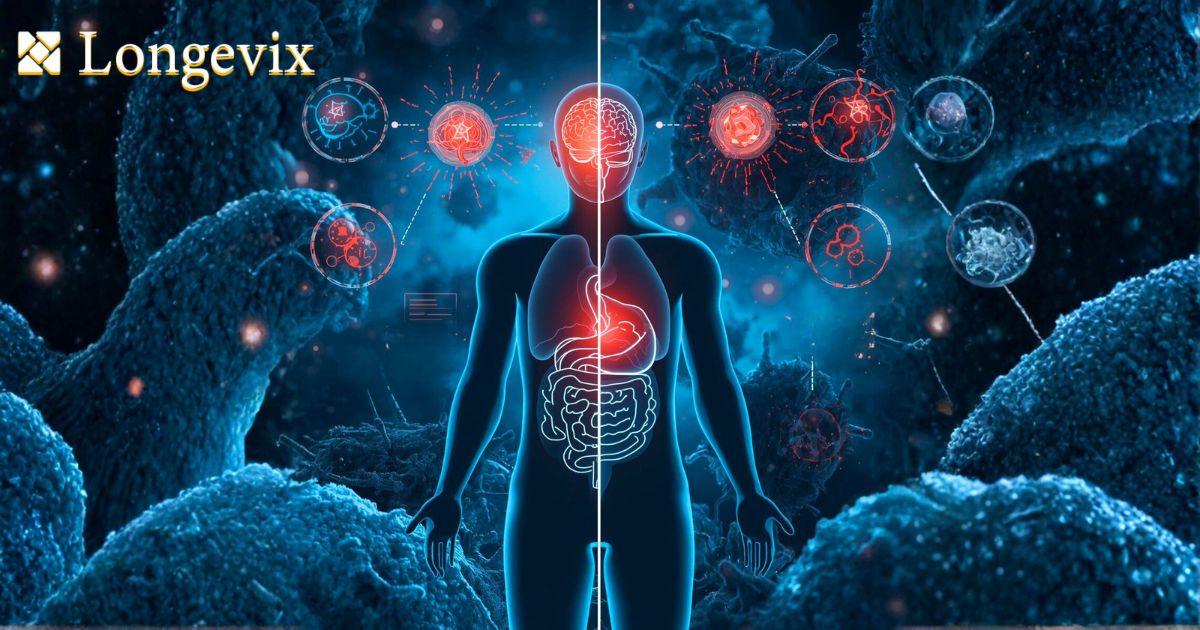
The brain consumes enormous energy. When mitochondria struggle to produce fuel, mental clarity declines and focus becomes difficult. Some individuals also notice digestive problems because gut health and mitochondria share a close biological relationship. The digestive system relies heavily on cellular energy to process nutrients efficiently.
Over time, chronic mitochondrial dysfunction can lead to metabolic imbalance, reduced immunity, and lower physical endurance. Researchers studying energy disorders often observe elevated oxidative stress, which damages cellular membranes and reduces energy efficiency. Early dietary changes and supportive nutrients may restore mitochondrial strength before deeper health complications develop, such as cognitive decline and increased susceptibility to age-related diseases.
How Mitochondria Influence Ageing, Brain Health, and Mental Wellness
Ageing occurs partly because mitochondrial efficiency declines gradually over time. As the body ages, mitochondria generate less energy while producing more free radicals. These unstable molecules increase oxidative stress, which accelerates cellular wear.
This decline strongly influences brain performance. Neurones require continuous energy to transmit signals, form memories, and maintain concentration. When mitochondrial activity slows, cognitive speed decreases. Scientists studying cognitive longevity now focus heavily on improving mitochondrial resilience.
A key molecule in this process is NAD+, a coenzyme that supports energy metabolism and cellular repair. NAD+ levels naturally decline with age, which reduces mitochondrial efficiency. Longevity researchers therefore explore compounds such as NMN supplements to restore NAD+ levels and improve mitochondrial activity.
Another powerful cellular mechanism involves autophagy, the body’s natural recycling system. During autophagy, damaged proteins and organelles are broken down and reused. This cleaning process supports mitochondrial renewal and contributes to mitochondrial health and healthy ageing.
External Factors That Damage Mitochondrial Health
Modern environments expose cells to many harmful stressors. Air pollution, heavy metals, pesticides, and processed foods all increase oxidative stress inside cells. Over time these exposures disrupt cellular respiration and reduce mitochondrial efficiency.
Psychological stress also plays a powerful role. Chronic tension elevates cortisol levels, which interferes with energy metabolism and weakens mitochondrial function. Practising stress reduction techniques such as breathing exercises, meditation, or nature walks helps restore metabolic balance.
Sleep quality also strongly influences mitochondrial repair. During deep sleep the body activates cellular maintenance systems, including mitophagy and autophagy. These processes remove damaged mitochondria and support new mitochondrial growth. Researchers highlight strong links between deep sleep benefits and improved energy metabolism.

Cold exposure has recently gained attention as a metabolic booster. Studies show that short periods of cold stimulation activate brown fat cells and stimulate mitochondrial biogenesis. This explains growing interest in cold exposure benefits for mitochondria among longevity researchers.
Best Nutrient-Rich Foods to Support Mitochondrial Function
Nutrition provides the building blocks required for healthy mitochondria. Many scientists studying longevity recommend diets rich in vegetables, healthy fats, and high-quality proteins. These nutrients support stable ATP production and reduce oxidative damage.
The blue zones diet offers an excellent example of a nutritional pattern that promotes mitochondrial health. It emphasises whole plant foods, legumes, olive oil, fish, and moderate portions of protein. These foods deliver antioxidants and micronutrients essential for cellular repair.
Foods rich in polyphenols also strengthen mitochondrial resilience. Berries, green tea, dark chocolate, and leafy vegetables protect mitochondria from free radicals. These natural compounds improve foods that support mitochondrial function and help maintain long-term cellular energy.
Key Foods That Support Mitochondrial Function
|
Food Category |
Key Nutrients |
Mitochondrial Benefit |
|
Fatty Fish |
Omega-3 fatty acids |
Supports mitochondrial membranes |
|
Leafy Greens |
Magnesium |
Improves energy metabolism |
|
Berries |
Polyphenols |
Reduces oxidative stress |
|
Nuts and Seeds |
Healthy fats |
Supports cellular energy |
|
Eggs |
B vitamins |
Enhances cellular respiration |
These nutrient-dense foods provide natural support for cellular energy and help maintain healthy mitochondria over time.
Essential Nutrients That Improve Mitochondrial Health
Certain nutrients play critical roles in mitochondrial metabolism. B vitamins help convert carbohydrates and fats into energy during cellular respiration. Magnesium acts as a cofactor in hundreds of biochemical reactions that support ATP production.
Another essential compound is coenzyme Q10, which directly participates in the electron transport chain. This pathway generates the majority of the body’s energy supply. Without adequate levels, cells struggle to maintain stable metabolic activity.

Researchers also investigate the best supplements for mitochondrial health, including carnitine, alpha-lipoic acid, and NAD+ precursors. These nutrients enhance metabolic efficiency and reduce oxidative damage. Many longevity supplement programmes, including formulations developed by Longevix, focus on improving mitochondrial energy systems through targeted nutrient support.
Scientists also study NMN supplements because they help restore NAD+ levels in ageing cells. Increased NAD+ supports mitochondrial repair and may stimulate mitochondrial biogenesis.
Lifestyle Habits That Naturally Boost Mitochondrial Function
Physical movement acts as one of the strongest triggers for mitochondrial biogenesis. Exercise signals the body to create new mitochondria so muscles can produce more energy. Regular movement therefore strengthens cellular metabolism and improves endurance.
Research also shows that exercise to improve mitochondrial biogenesis includes moderate cardio activities such as cycling, brisk walking, and interval training. These activities stimulate energy demand, encouraging the body to build stronger mitochondrial networks.
Another powerful metabolic strategy involves intermittent fasting for mitochondrial health. When food intake pauses temporarily, the body activates autophagy. This process removes damaged mitochondria and stimulates regeneration. Many longevity researchers believe fasting may help protect metabolic health.
Nutrition programmes focused on longevity often combine exercise, fasting, and nutrient support. Some of these programmes incorporate the best supplements for mitochondrial health, including antioxidant blends and NAD+ boosters. Longevix integrates several of these strategies into longevity research and supplement development.
Why Limiting Sugar and Fructose Helps Protect Mitochondria
High sugar consumption overloads the body’s metabolic pathways. When cells process excessive glucose and fructose, mitochondria produce more free radicals. This increases oxidative stress and damages mitochondrial membranes.
Fructose metabolism particularly strains liver mitochondria. Over time, excess fructose disrupts insulin regulation and reduces metabolic flexibility. Limiting sugary drinks and ultra-processed foods protects mitochondrial stability.

Whole fruits offer a healthier alternative because fibre slows sugar absorption. This helps maintain steady ATP production while reducing oxidative damage. Maintaining balanced sugar intake therefore plays a major role in protecting long-term mitochondrial health.
Functional Health Testing for Mitochondrial Support
Modern functional medicine now includes laboratory testing designed to evaluate mitochondrial performance. These tests examine nutrient levels, oxidative stress markers, and metabolic efficiency. Such data helps identify underlying causes of mitochondrial dysfunction.
Some tests measure levels of NAD+, antioxidant capacity, and metabolic waste products produced during cellular respiration. These insights allow healthcare professionals to design personalised nutrition strategies.
Clinical researchers increasingly recommend combining dietary improvements, metabolic testing, and targeted nutrients to support mitochondrial repair. When individuals understand their metabolic profile, they can make informed decisions that improve long-term cellular health.
Key Takeaways for Supporting Healthy Mitochondria
Strong mitochondrial function supports energy, mental clarity, and longevity. These tiny organelles power every cell through ATP production, enabling muscles to move and neurones to communicate effectively. Protecting mitochondrial health therefore improves long-term vitality.
Balanced nutrition, consistent exercise, and quality sleep all contribute to stronger mitochondria. Diets rich in antioxidants reduce oxidative stress, while activities that trigger mitochondrial biogenesis strengthen energy production capacity.

Longevity research increasingly confirms that mitochondrial health shapes ageing outcomes. By supporting cellular repair through nutrient-dense foods, metabolic balance, and targeted nutrients, individuals can maintain strong cellular energy and protect overall health for many years.
Frequently asked questions
What foods improve mitochondrial function?
Foods like fatty fish, leafy greens, berries, nuts, and olive oil support mitochondrial function because they provide antioxidants, healthy fats, and nutrients that help cells produce energy efficiently.
What supplements are best for mitochondrial health?
Common supplements for mitochondrial health include CoQ10, magnesium, B-complex vitamins, alpha-lipoic acid, and NAD+ boosters such as NMN that support cellular energy production.
How does exercise improve mitochondrial health?
Exercise stimulates mitochondrial biogenesis, meaning your body creates more mitochondria so muscles and organs can produce energy more efficiently.
What are the signs of poor mitochondrial function?
Common signs include chronic fatigue, brain fog, muscle weakness, slow recovery from exercise, and reduced mental focus.
Does intermittent fasting help mitochondria?
Yes, intermittent fasting may activate cellular repair processes like autophagy, which helps remove damaged mitochondria and supports healthier energy production.