The Mediterranean diet benefits extend far beyond a simple weight management strategy. This plant-based eating pattern, rich in healthy fats and fibre-packed grains, offers a scientifically validated roadmap to vitality. By prioritising nutrient-dense foods like olive oil, leafy greens, and oily fish, you fuel cellular repair and dampen chronic inflammation.
Unlike restrictive fads, this sustainable approach supports blood sugar regulation and guards against chronic illnesses. It is not about deprivation but about embracing a heart-healthy diet that promotes longevity from the inside out. Discover how these anti-inflammatory foods can transform your wellbeing.
What Is the Mediterranean Diet? A Simple Guide for UK Tables
The phrase 'Mediterranean-style diet' often conjures images of sun-drenched terraces and expensive imported delicacies. That perception is a myth that deserves to be shattered immediately. At its core this way of eating champions abundance rather than deprivation. It leans heavily on plant-based eating, with vegetables, fruits, legumes and whole grains forming the foundation of nearly every meal. Fibre-packed grains like barley and oats make regular appearances alongside colourful arrays of peppers, aubergines and leafy greens. You will find lean proteins arriving primarily from the sea with fish and seafood taking centre stage several times each week.
Now let us translate this vision into a practical British reality. You do not require a second passport or a villa overlooking the Aegean Sea. Your local supermarket shelf is stocked with everything needed for balanced nutrition. A humble tin of sardines in olive oil delivers the same healthy fats as a fresh catch grilled on a Greek beach. A bag of frozen spinach contains nutrient-dense foods that rival anything found in a farmer's market. The magic lies in swapping out heavily processed snacks for handfuls of nuts and seeds. This shift towards anti-inflammatory foods calms the internal fires that accelerate ageing. It is a budget-friendly approach that proves eating well is not reserved for the wealthy.
The Science of NAD+ and Why It Declines After 30
Inside every one of your cells exists a microscopic workforce that never clocks out. These workers are mitochondria, and they convert the food on your plate into the energy you feel in your limbs. To perform this essential task, they rely on a coenzyme called nicotinamide adenine dinucleotide. You can think of NAD+ as the spark plug inside a car engine. Without a healthy supply of sparks, the engine sputters and eventually stalls. In your twenties this system hums along with impressive efficiency, and you likely take that boundless energy for granted.
Then comes the slow and silent decline. As the calendar flips past age thirty, your NAD⁺ reservoirs begin to drain. Chronic stress, environmental toxins and the natural march of time all conspire to deplete this vital resource. The consequences ripple outward in the form of sluggish metabolism brain fog and longer recovery periods after exercise. Yet this decline is not an immutable sentence. Research confirms that weight management and blood sugar regulation play pivotal roles in preserving what remains. Your fork holds more power than you might imagine. Dietary choices can either accelerate the leak or plug the holes, and the Mediterranean approach is a master plumber.
5 Specific Ways the Mediterranean Diet Supports NAD+ Levels
Many nutrition guides offer vague promises about feeling better without ever explaining the underlying mechanics. That is not our approach here. We are going to peel back the curtain and examine the five distinct biochemical bridges connecting your salad bowl to your cellular fuel gauge. Each of these pathways tackles a unique aspect of the ageing puzzle. They work in concert much like the individual instruments in a symphony orchestra. Alone they produce a pleasant note, but together they create something truly transformative for your heart-healthy diet and your longevity.
These five mechanisms range from activating ancient genetic pathways to nurturing the invisible ecosystem living in your gut. They address chronic illnesses at their root by calming inflammation and improving fibre intake. By understanding these levers you move beyond the simplistic notion of eating your vegetables. You begin to see each meal as a deliberate strategy to prevent cravings and curb hunger pangs. The result is a sustainable long-term shift in how you fuel your body. You are not just eating to fill a void. You are eating to preserve your most fundamental cellular currency.
Polyphenols and Sirtuins: Activating Your Longevity Pathways
Plants cannot flee when a predator approaches, so they developed a sophisticated chemical defence system. Polyphenols are the bitter and colourful compounds that protect vegetation from insects and ultraviolet radiation. When you consume extra virgin olive oil, red grapes or fresh herbs, you ingest these potent molecules. Your body interprets their presence as a mild beneficial stressor. This triggers a family of proteins known as sirtuins. Sirtuins act as the meticulous custodians of your DNA, and they rely on NAD⁺ to function properly. The more active your sirtuins become, the more efficiently your cells repair damage and resist decline.

The Mediterranean diet is brimming with these longevity activators. Oleocanthal found in high-quality olive oil creates that peppery sting at the back of your throat. That sensation is a signal that your cells are receiving a rejuvenating nudge. Resveratrol from red grapes and berries performs a similar function. By incorporating these foods regularly you are essentially tricking your body into a state of mild stress resistance. This is why this eating pattern helps you lose weight more effectively while simultaneously protecting against heart disease and stroke. The beauty lies in the fact that you are nourishing yourself deeply while also whispering ancient survival signals to your genes.
Healthy Fats and Mitochondrial Membrane Integrity
The walls surrounding your mitochondria are not made of concrete. They are fluid dynamic structures composed of fats. The type of fat you consume dictates whether these membranes remain supple and efficient or become stiff and sluggish. A diet heavy in industrial seed oils and processed snacks clogs the works. Electron transport falters and energy production grinds to a halt. In contrast, the Mediterranean emphasis on healthy fats from olives, avocados and nuts keeps the membranes fluid and responsive. This fluidity allows NAD+ to shuttle electrons with speed and precision.
Oily fish such as mackerel, sardines and anchovies deserve a special mention here. These humble swimmers are packed with omega-3 fatty acids that wedge themselves directly into the mitochondrial membrane. They enhance the structural integrity of the very machinery that converts food into usable energy. When your mitochondria operate in this optimal environment, they produce fewer harmful waste products. Less oxidative stress means less NAD+ is squandered on emergency repairs. It is a virtuous cycle that supports blood sugar spike prevention and helps you curb hunger pangs because your cells are finally receiving the steady energy they crave.
Reducing Chronic Inflammation to Preserve NAD+
Inflammation is a necessary and life-saving immune response to injury. But when inflammation simmers constantly at a low level, it becomes a thief in the night. This state known as inflammaging steals your vitality and specifically raids your NAD+ coffers. Enzymes that fight inflammation require vast amounts of NAD+ to function. When your body is perpetually on high alert, these enzymes gobble up your precious reserves. The Mediterranean diet serves as a powerful extinguisher for this internal blaze. Its core components are widely recognised as anti-inflammatory foods that soothe rather than provoke.
Leafy greens supply magnesium while nuts deliver vitamin E. Berries offer anthocyanins, and tomatoes provide lycopene. This diverse chemical arsenal signals your immune system to stand down from its constant state of alert. By lowering the baseline of systemic stress, you conserve NAD⁺ for more productive tasks like DNA repair and cognitive function. This is why adherents to this heart-healthy diet see such dramatic reductions in chronic illnesses. They are not merely masking symptoms. They are addressing the root cause of metabolic dysfunction, and in doing so, they unlock a reservoir of sustained energy and mental clarity.
Caloric Awareness Without Starvation: The Mediterranean Mimetic
The thought of severe calorie restriction sends shivers down the spine. Nobody dreams of a life measured in lettuce leaves and constant hunger. Fortunately, the Mediterranean approach achieves a similar metabolic outcome without the misery. It functions as a caloric restriction mimetic. This means it tricks your cells into thinking food is slightly scarce even while your stomach feels comfortably full. The secret weapon here is nutrient-dense foods combined with generous amounts of fibre-packed grains and healthy fats.
Consider a large bowl of Greek salad brimming with cucumbers, olives, tomatoes and a slab of feta cheese. It is voluminous and satisfying. Yet it contains far fewer calories than a stale muffin or a bag of crisps. The high fibre intake triggers stretch receptors in your stomach lining. Your brain receives the signal that you are full. Meanwhile, your cells detect an absence of excessive glucose flooding the bloodstream. This activates AMPK, an energy sensor that revs up mitochondrial production and NAD⁺ synthesis. You achieve weight management without the psychological toll of deprivation, and you prevent cravings for sugary junk because your body is finally receiving steady, authentic nourishment.
Gut Microbiome Diversity and Niacin Production
Your digestive tract is home to trillions of microorganisms that influence everything from your mood to your immune function. This bustling metropolis is known as the gut microbiome, and it requires a steady diet of soluble fibre to thrive. The Mediterranean way of eating delivers this fibre in spades through chickpeas, lentils, artichokes and whole grains. In return for feeding them, these beneficial bacteria produce short-chain fatty acids like butyrate. Butyrate heals the intestinal lining and reduces permeability. There is, however, another hidden benefit to nurturing this microbiome diversity.

Certain strains of gut bacteria possess the remarkable ability to synthesise B vitamins, specifically niacin. Niacin is also known as Vitamin B3, and it is an essential precursor in the NAD+ salvage pathway. Without adequate niacin your body struggles to recycle nicotinamide back into active NAD+. By consuming a Mediterranean-style diet, you are effectively farming your own internal supplement factory. This explains why balanced nutrition from whole foods outperforms a diet of processed carbohydrates. You are not only feeding yourself but also feeding the microscopic allies that help you boost your health from the inside out.
The UK-Specific Mediterranean Diet: Budget Shopping List and Meal Timing
Translating this sun-soaked philosophy to a rainy Tuesday in Manchester requires a touch of practical creativity. The good news is that the United Kingdom offers exceptional access to the core components of this eating pattern. Canned oily fish is a national treasure, and it is incredibly budget-friendly. A single tin of mackerel in olive oil provides a powerful dose of omega-3s. Frozen berries are often cheaper than fresh, and they retain their antioxidant potency beautifully. Stock your larder with dried lentils, tinned tomatoes and bags of porridge oats. These staples form the backbone of nutrient-dense foods that do not spoil quickly.
Meal timing also plays a subtle yet significant role in cellular health. Aligning your food intake with your circadian rhythm can amplify the benefits of this dietary approach. A larger midday meal rich in lean proteins and greens provides sustained energy for the afternoon slump. A lighter evening meal allows your digestive system to rest before sleep. During deep slumber your body ramps up NAD+ production and conducts essential repairs. A heavy late-night meal disrupts this nocturnal maintenance schedule. By eating earlier and lighter in the evening you support blood sugar regulation and wake up feeling genuinely refreshed and ready to tackle the day.
UK-Friendly Mediterranean Food Swaps for NAD+ Support
|
Common UK Pantry Item |
Mediterranean Swap |
NAD+ Boosting Benefit |
|
White bread toast |
Porridge with berries |
Slower digestion prevents blood sugar spikes |
|
Butter or margarine |
Extra virgin olive oil |
Polyphenols activate sirtuins for cellular repair |
|
Crisps or savoury snacks |
Handful of walnuts |
Healthy fats support mitochondrial membrane fluidity |
|
Sugary breakfast cereal |
Greek yoghurt with nuts |
Lean proteins sustain energy and curb hunger pangs |
|
Processed ham sandwich |
Tinned sardines on rye |
Omega-3s reduce chronic illnesses risk and inflammation |
|
Fizzy soft drinks |
Sparkling water with lemon |
Hydration without glucose prevents cravings |
Synergy: Pairing a Mediterranean Plate with Longevix Supplementation
A foundation built on whole foods provides the ideal environment for cellular health. The Mediterranean approach lowers inflammation, preserves mitochondrial function and supports the gut's natural vitamin production. It is a powerful strategy for living long and healthy lives. Yet modern life throws additional challenges at our cells that our ancestors never faced. Electromagnetic fields, environmental pollutants and chronic psychological stress all place extra demands on our NAD+ supply. This is where targeted nutritional support can bridge the gap between a good diet and optimal ageing.
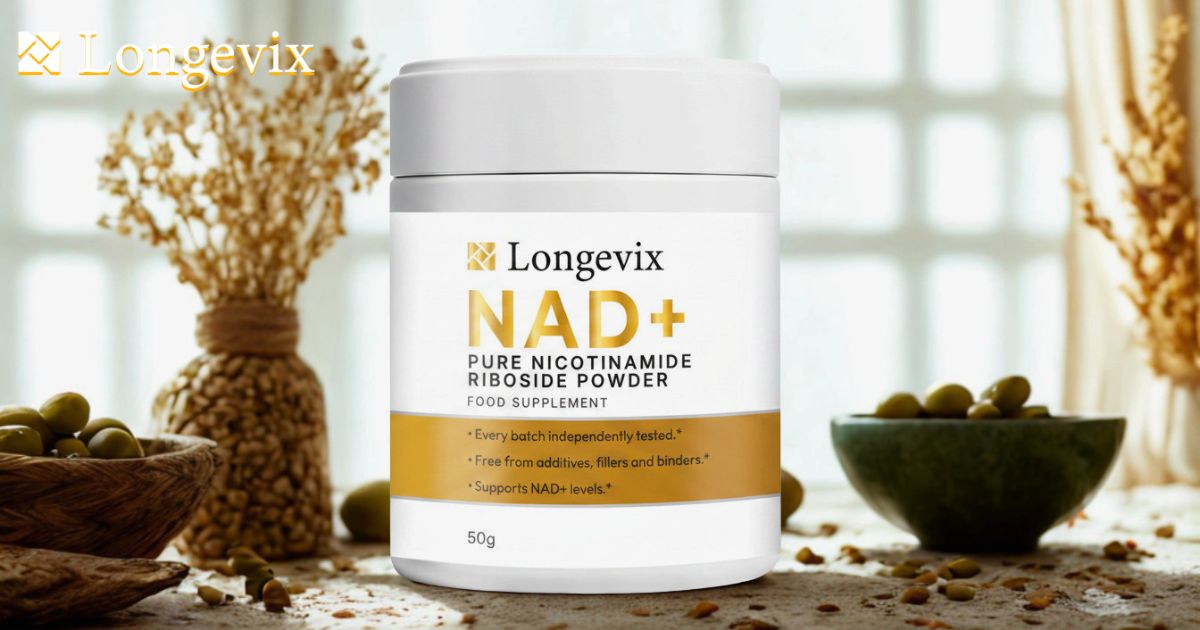
Longevix NMN and Longevix NR provide direct precursors that feed the NAD+ salvage pathway with precision. They complement the work your Mediterranean plate is already doing. Longevix Trans-Resveratrol amplifies the sirtuin activation that olive oil and grapes initiate. And Longevix TMG supports methylation balance, a process taxed by inflammation. Think of this partnership as a duet. Your diet creates the melody while supplementation provides the harmonious bass note. Together they create a symphony of balanced nutrition that helps you lower risk of chronic diseases and maintain a heart-healthy diet. This integrated approach is sustainable long-term, and it offers a clear path towards a future where you do not simply age, but you age with vigour and purpose.
Further Reading and Source Context
These external resources provide background or regulatory context. They do not prove that a particular Longevix product produces the health outcomes discussed above.
Frequently asked questions
What is the Mediterranean diet?
It is a plant-based eating pattern rich in vegetables, fruits, legumes, whole grains, and healthy fats like olive oil, with moderate fish and limited red meat.
What are the benefits of the Mediterranean diet?
This heart-healthy diet lowers inflammation, supports blood sugar regulation, and helps you lose weight while reducing the risk of chronic illnesses.
Can the Mediterranean diet help with weight loss?
Yes, its emphasis on fibre-packed grains and lean proteins helps curb hunger pangs naturally and supports sustainable weight management without calorie counting.
How does the Mediterranean diet affect brain health?
The abundance of anti-inflammatory foods and omega-3 fatty acids protects neurones, improving memory and lowering the risk of cognitive decline and stroke.
What are the long-term health outcomes of following a Mediterranean diet?
Long-term adherence is linked to living long and healthy lives, a significantly lower risk of chronic diseases like heart disease, and better metabolic function in later years.