Choosing resveratrol capsules UK shoppers can trust takes more than finding the biggest number on a bottle. A useful label should state the form, serving size, source, and ingredient amount clearly. Many products highlight trans-resveratrol, while others contain Japanese knotweed extract or red wine extract. Yet a larger dose doesn’t automatically mean a better choice.
You should also consider formulation quality, testing, safety, and how a supplement fits your routine. Human research gives useful clues, although important uncertainties remain. Understanding bioavailability, dosage, and evidence can make comparison easier. It also helps you assess antioxidant protection claims without treating resveratrol as a shortcut to long-term wellness.
Resveratrol Capsules UK: What Should You Know Before Buying?
A glossy label can make almost any supplement look exceptional. However, the meaningful details usually sit on the ingredient panel. Check the exact resveratrol form, amount per serving, serving frequency, and additional active ingredients. A high-potency dose isn’t automatically superior. Your daily regimen should follow the label and reflect your individual circumstances.
Source details deserve attention too. Some products contain purified resveratrol, while others use botanical extracts or complex blends. Red wine extract may provide several compounds rather than a defined resveratrol amount. Therefore, compare the stated active quantity alongside the broader polyphenol profile instead of assuming every milligram on the front represents resveratrol.
Why Front-Label Numbers Can Mislead
Picture one bottle advertising a “500mg complex” and another stating 250mg trans-resveratrol. The first figure could describe an entire botanical mixture. It may not mean 500mg of active resveratrol. Always compare the ingredient panel and serving instructions before deciding which formula actually supplies more of the compound you want.
What Is Resveratrol—and Why Does Trans-Resveratrol Matter?
Resveratrol is a naturally occurring stilbene polyphenol found in several plants. Grapes, peanuts, some berries, and Japanese knotweed can contain it. Researchers frequently study trans-resveratrol, one structural form of the molecule. However, seeing “trans-resveratrol” on a label doesn’t by itself prove stronger antioxidant protection or better clinical outcomes.
Resveratrol interacts with several body’s natural processes linked with metabolism and cellular stress responses. Still, a plausible pathway is not the same as a meaningful human benefit. Longevix makes this distinction on its Science and Evidence page, separating mechanisms, biomarkers, and proven outcomes. Longevix Science and Evidence
Japanese Knotweed, Grapes and Resveratrol Sources
Some supplements use Japanese knotweed extract because the plant can provide resveratrol alongside other phytochemicals. Botanical origin alone doesn’t establish quality, though. Extraction, standardisation, actual trans-resveratrol content, purity, and the wider polyphenol profile all affect what appears in the finished supplement.
What Does Human Research Actually Show About Resveratrol?
Human evidence is more nuanced than many marketing claims suggest. A 2026 umbrella review examined 45 systematic reviews covering 68 outcomes. High-certainty findings appeared for only a small number of outcomes in specific populations, including blood-pressure measures in people with type 2 diabetes and total cholesterol in overweight adults.
That context is crucial. Findings in a defined clinical population don’t prove identical effects in healthy adults. They also don’t establish resveratrol as a universal heart health supplement or guarantee cardiovascular wellness. Great Britain prohibits food supplements from claiming to prevent, treat, or cure disease, which makes careful wording especially important.
Research Example: Resveratrol Plus Exercise in Older Adults
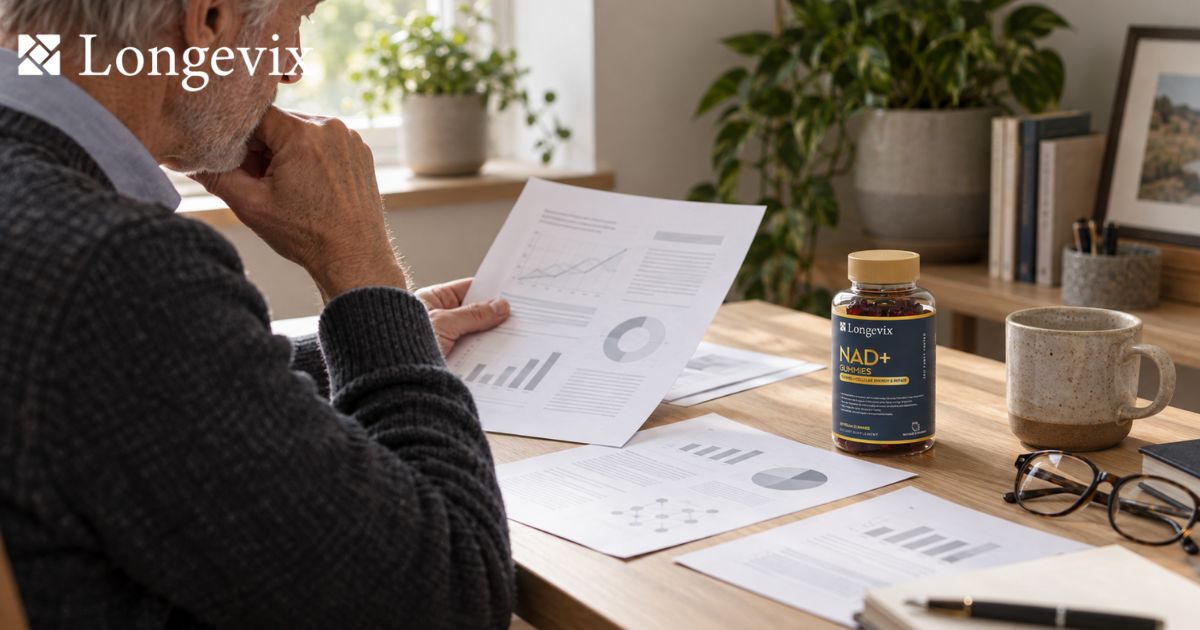
A 12-week trial studied 30 adults aged 65–80 who exercised while receiving either placebo or 500mg resveratrol daily. Some muscle-related measures improved more with resveratrol, although cardiovascular risk did not improve beyond exercise alone. Because every participant exercised, the study cannot show that resveratrol replaced physical activity.
|
Research area |
What human evidence may suggest |
What it does not establish |
|
Blood pressure |
Effects have appeared in selected clinical populations |
Universal blood-pressure reduction |
|
Cholesterol |
Some effects have appeared in overweight adults |
Prevention of cardiovascular disease |
|
Exercise adaptation |
Selected trials report changes in muscle measures |
Resveratrol replaces exercise |
|
Healthy ageing |
Several pathways remain under investigation |
Human lifespan extension or age reversal |
Calling resveratrol an anti-ageing supplement can therefore create expectations that current human evidence hasn’t earned. Longevix already explores those limits in its resveratrol healthy-ageing coverage. The practical goal should be informed decision-making rather than promises of biological rejuvenation or unusually long life. Explore Longevix resveratrol and healthy-ageing content
Resveratrol Dosage: What Do Human Studies Actually Use?
Resveratrol research doesn’t use one standard dose. A 2025 meta-analysis of human pharmacokinetic studies included oral doses ranging from 25mg to 5,000mg. That huge spread reflects different research questions and protocols. It doesn’t mean every amount within that range is appropriate for everyday supplementation.
More isn’t automatically better. In a 29-day study, healthy volunteers received 500mg, 1,000mg, 2,500mg, or 5,000mg daily. The 2,500mg and 5,000mg groups experienced more mild-to-moderate gastrointestinal symptoms. A high-potency dose can therefore increase exposure without guaranteeing proportionately greater benefit.
Research Dose Is Not a Personal Dose
A clinical-trial amount answers a research question under controlled conditions. It doesn’t automatically become your ideal serving. Participants have defined health profiles and monitoring. Study duration matters too. A dose tolerated for four weeks cannot establish lifelong safety. Follow the product label rather than copying an experimental protocol.
Resveratrol Bioavailability: Why Formulation Matters
Resveratrol absorption sounds simple until metabolism enters the picture. Human studies suggest oral resveratrol can be absorbed quite well. However, the body rapidly converts much of it into sulphate and glucuronide metabolites. Consequently, relatively little unchanged resveratrol may remain circulating freely after ingestion.
That distinction matters when comparing formulations. Higher absorption doesn’t automatically equal stronger health effects. Your body’s natural processes can transform resveratrol soon after ingestion. Researchers continue examining the biological importance of its metabolites. Even so, higher blood concentrations don’t independently prove stronger antioxidant protection, slower ageing, or improved wellbeing.
Does Low Bioavailability Make Resveratrol Pointless?
No. Low circulating levels of unchanged resveratrol don’t prove complete biological inactivity. Metabolites and tissue exposure may still matter. However, uncertainty works both ways. Potential activity cannot become guaranteed benefit without appropriate human trials measuring outcomes that genuinely matter to people.
How to Choose Resveratrol Capsules in the UK
Transparency should come before marketing language. Look for the exact form and quantity supplied per serving. Then inspect botanical sources, inactive ingredients, allergens, and warnings. If you want a plant-based option, verify the shell composition. A product described as a vegan-friendly capsule should support that description through its actual ingredients.
Capsule materials also vary. Some use gelatin, while others use plant-based materials such as hydroxypropyl methylcellulose. This may appear as a hypromellose capsule or HPMC shell. Capsule material doesn’t determine resveratrol effectiveness. However, it can affect dietary suitability and helps you understand exactly what you’re buying.
What About Testing and Certificates?
Testing only becomes useful when you know what was actually examined. Longevix advises checking the product, batch, methods, units, and reported results. A document cannot prove tests that aren’t listed. The Longevix Certificates page explains how to match published documents with the correct product and batch. Longevix Certificates and testing documents
Current UK guidance also tells consumers to read labels and follow warnings and directions. Food supplements should complement rather than replace a balanced diet. That simple habit often provides more practical protection than phrases such as “premium”, “maximum strength”, or “advanced formula”.
US buyers face different rules. The FDA does not approve dietary supplements for safety and effectiveness before they reach the market. Manufacturers remain responsible for lawful products and truthful labelling. Therefore, a phrase such as “FDA-approved supplement” should prompt closer scrutiny rather than immediate confidence.
Resveratrol Capsules vs Gummies: Which Format Makes Sense?
The most suitable format often comes down to practical preference. Resveratrol capsules may suit people who prefer a flavour-free, pre-measured option. Gummies can appeal to those who dislike swallowing capsules. Neither format automatically wins. Ingredient identity, actual dose, complete formulation, testing, and consistency within your daily regimen matter more.
Adherence also has practical value. A supplement that fits naturally into your routine may be easier to use consistently. Yet convenience doesn’t prove effectiveness. Whether you view resveratrol as an occasional addition or a maintenance supplement, judge the evidence behind the ingredient rather than assuming its delivery format improves clinical results.
Are Capsules Better Than Gummies?
Not automatically. Capsules and gummies can both contain single or multiple active ingredients. Manufacturing methods, excipients, stability, serving sizes, and formulations vary widely. Compare what each full serving actually provides. Then consider taste, convenience, dietary requirements, and evidence before choosing the format that fits your routine.
Where Longevix NAD+ Support Gummies Fit
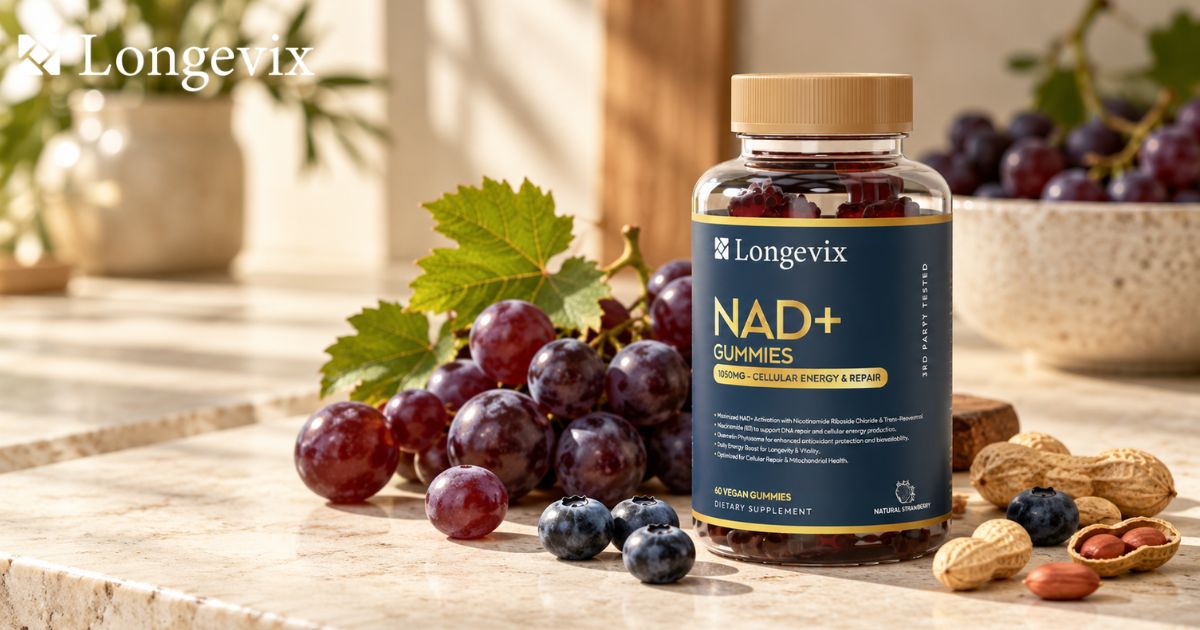
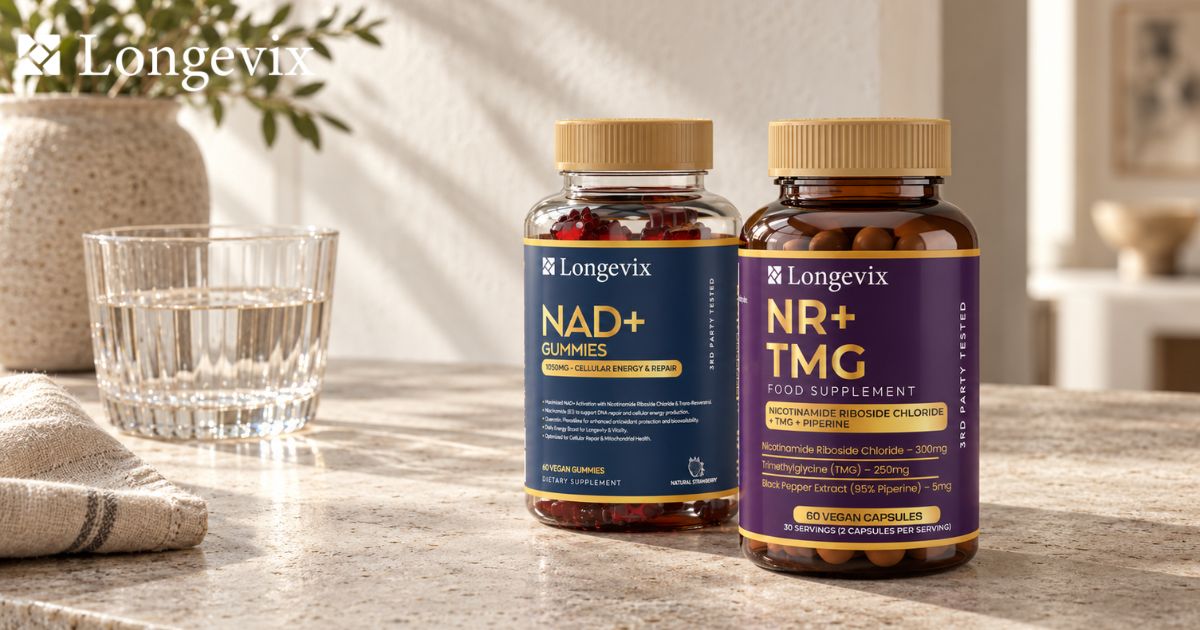
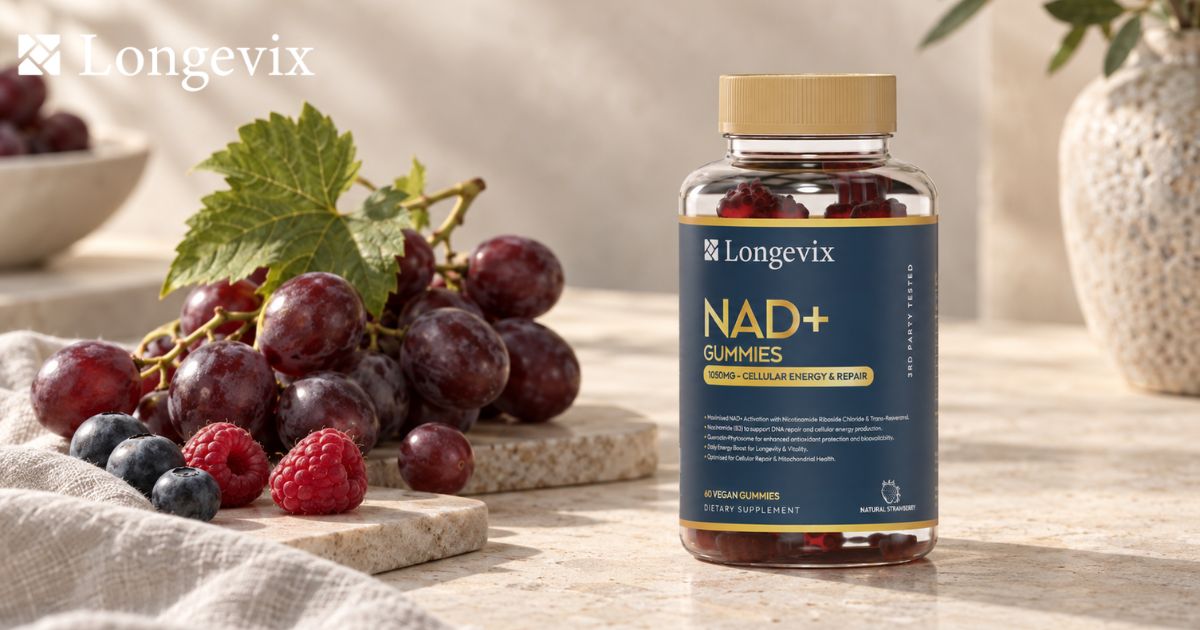
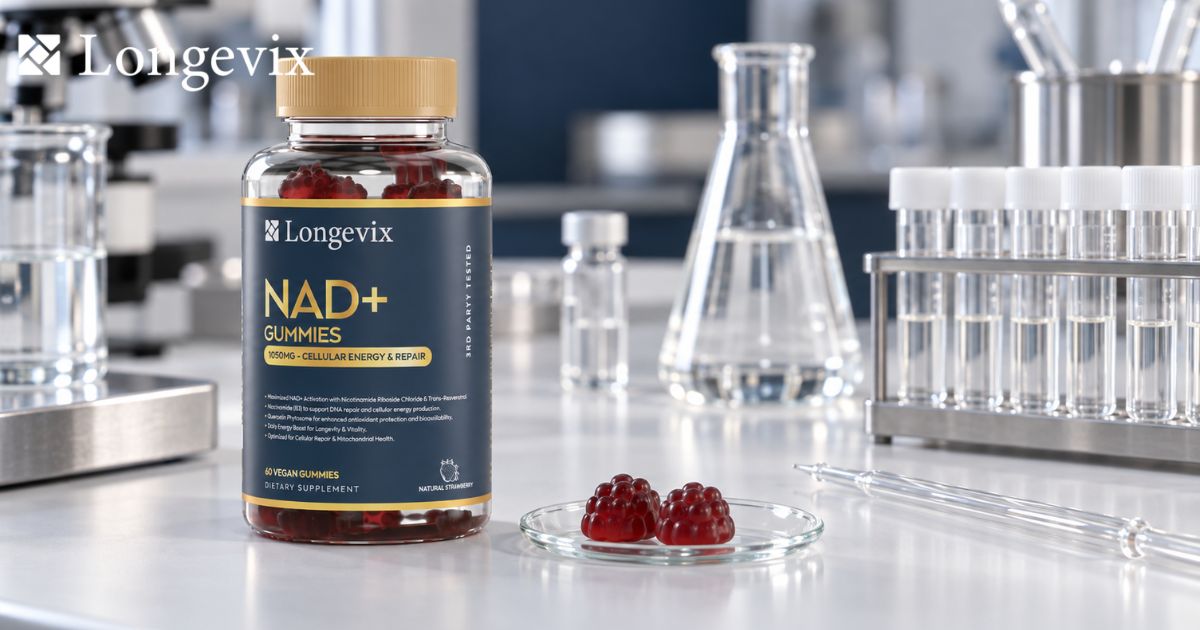
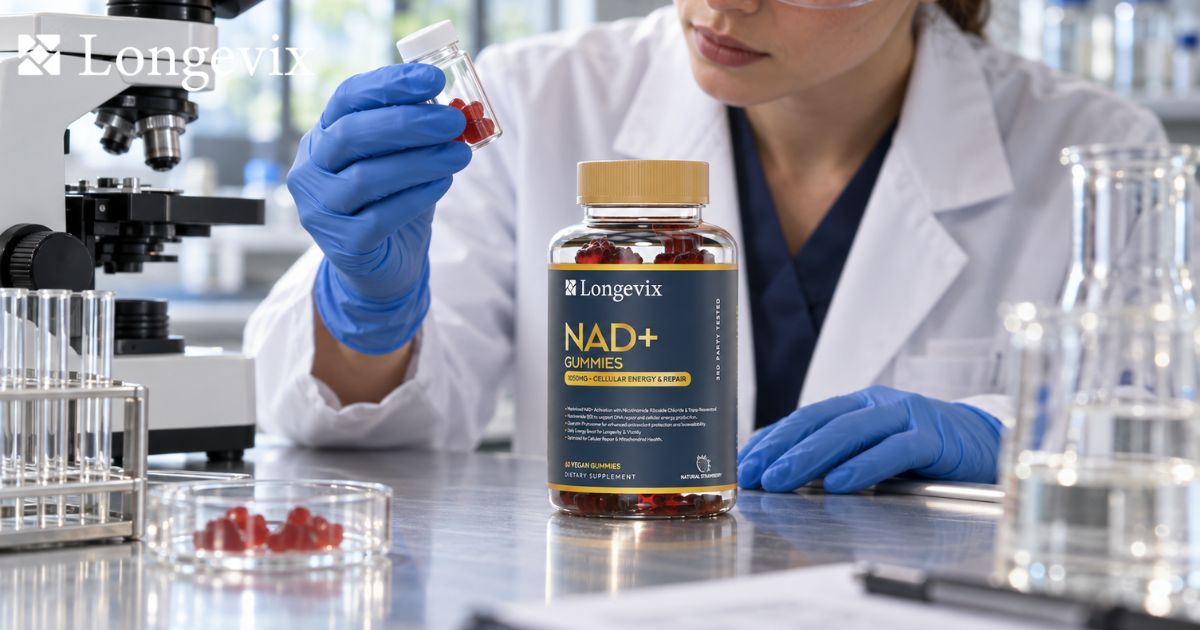
Longevix does not currently list standalone resveratrol capsules. Its relevant product is Longevix NAD+ Support Gummies. Two gummies provide 300mg nicotinamide riboside, 250mg quercetin, 250mg trans-resveratrol, and 250mg nicotinamide. The bottle contains 60 gummies, giving 30 labelled two-gummy servings. Longevix NAD+ Support Gummies
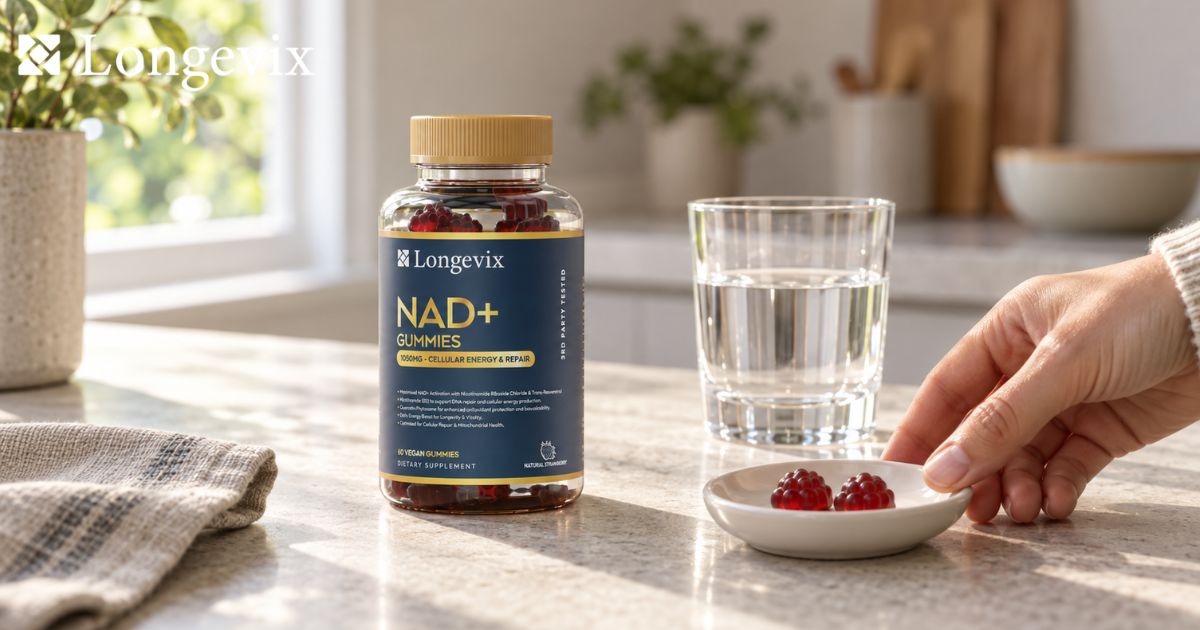
That distinction deserves emphasis. This is not a pure resveratrol product. It is a four-active gummy formulation. Research on isolated trans-resveratrol cannot automatically prove results for the finished product. Likewise, combining several interesting ingredients does not establish synergy unless suitable research tests that exact formulation.
Why the 250mg Figure Needs Context
The 250mg figure describes trans-resveratrol in the labelled two-gummy serving. It does not prove improved absorption, slower ageing, or stronger longevity effects. The same serving also contains NR, quercetin, and nicotinamide. Evidence for each isolated ingredient should not be merged into unsupported claims about the complete gummy.
|
Longevix NAD+ Support Gummies |
Amount per two-gummy serving |
|
Nicotinamide riboside |
300mg |
|
Quercetin |
250mg |
|
Trans-resveratrol |
250mg |
|
Nicotinamide (vitamin B3) |
250mg |
|
Labelled servings per bottle |
30 |
Longevix also publishes a testing document for the gummies. Match that document with the product and batch shown on your pack. A laboratory report can support the analyses recorded for its tested sample. It cannot prove clinical effectiveness, longevity benefits, or every possible aspect of quality.
Resveratrol Safety, Side Effects and Interactions
Natural doesn’t mean interaction-free. Concentrated dietary supplements can provide exposure far beyond ordinary food intake. Human dose-ranging research has reported nausea, abdominal discomfort, flatulence, and diarrhoea at higher resveratrol intakes. Short-term tolerance also cannot establish that continuous use remains risk-free for many years.
Medicines deserve particular attention. In one study, 42 healthy volunteers took one gram of resveratrol daily for four weeks. Researchers observed changes in several CYP enzymes involved in drug metabolism. This doesn’t prove that every medicine interacts with resveratrol. It does justify caution when regular medicines are involved.
Who Should Seek Professional Advice?
Longevix advises consulting a qualified healthcare professional before use during pregnancy, breastfeeding, medicine use, or management of a medical condition. Don’t independently increase or reduce a supplement to manage symptoms. Terms such as heart health supplement or anti-ageing supplement should never replace individual safety checks.

Resveratrol Capsules UK: Your Final Buying Checklist
Smart buying starts with the ingredient panel. Check whether the product supplies defined trans-resveratrol or a broader botanical blend. Compare amounts per complete serving rather than bottle size. Review the remaining ingredients and capsule shell. If a plant-based option matters, verify it. Don’t assume a larger high-potency dose produces better results.
Then compare marketing with evidence. Be cautious around guaranteed cardiovascular wellness, age reversal, or disease-prevention claims. Review testing documents carefully and consider medicine use or health conditions. Finally, choose a format that fits your routine. Sustainable long-term wellness decisions usually look calmer and more practical than supplement advertising suggests.
Compare the Product With the Evidence
Ask whether the research actually resembles the product you’re considering. Compare ingredient form, amount, study population, duration, and measured outcome. Longevix applies the same principle when discussing supplement science. A plausible mechanism can explain scientific interest. It cannot guarantee a noticeable human benefit. Review Longevix evidence standards
Keep Marketing Language in Perspective
A broad polyphenol profile, red wine extract, or special delivery system may sound impressive. Yet sophisticated wording isn’t clinical proof. The same caution applies to antioxidant protection claims. Ask what researchers tested, who participated, how long the study lasted, and whether the measured change mattered in everyday health.
Choose Confidence Over Hype
The sensible approach to resveratrol requires neither blind enthusiasm nor automatic dismissal. Human research continues to evolve. Some findings appear promising in defined populations, while uncertainties remain substantial. Treat supplements as supporting players. Food quality, exercise, sleep, appropriate healthcare, and sustainable habits still form the stronger foundation for long-term wellness.
For related reading, Longevix compares resveratrol and NMN through human evidence, safety, bioavailability, and realistic healthy-ageing expectations. This helps keep biological mechanisms separate from proven outcomes. Read Resveratrol vs NMN: Which Is Smarter for Healthy Ageing?
Frequently asked questions
What is trans-resveratrol and why is it important?
Trans-resveratrol is the resveratrol form commonly examined in human research. Researchers have studied its metabolism, pharmacokinetics, and biological activity extensively. However, the ingredient name alone doesn’t prove that a particular supplement will improve health, slow ageing, or outperform another properly formulated product.
When is the best time to take resveratrol capsules?
Human research hasn’t established one universally superior time for taking resveratrol. Follow the product directions and choose a consistent routine that suits you. If you take regular medication or have a medical condition, ask a qualified healthcare professional whether timing or potential interactions require special attention.
Can I get enough resveratrol from red wine alone?
Red wine contains resveratrol, although amounts are far below many quantities used in supplementation research. Drinking more alcohol to increase resveratrol exposure would create its own health risks. Alcohol should therefore never be treated as a practical or advisable substitute for a measured supplement dose.
What is the best resveratrol supplement in 2026? / What is the recommended dosage of resveratrol?
There is no universally “best” resveratrol supplement or established ideal daily dose for everyone. Human studies use widely varying amounts and populations. Compare clearly labelled trans-resveratrol content, formulation, testing, safety, and evidence rather than simply selecting the strongest product on the shelf.
Is resveratrol safe to take daily? / Are there any side effects of resveratrol capsules?
Short-term human studies generally report reasonable tolerance at many studied doses. Higher intakes can cause digestive effects such as nausea, abdominal discomfort, flatulence, or diarrhoea. Long-term daily safety remains less certain, particularly when medicines, pregnancy, breastfeeding, or medical conditions are involved.