
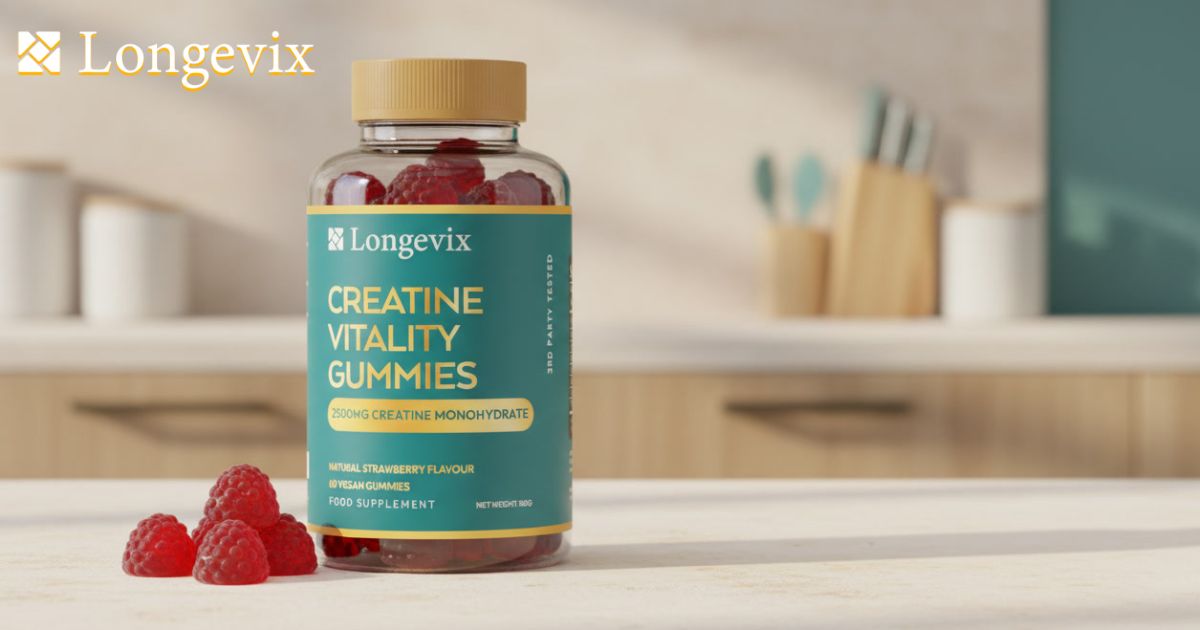
Sugar free creatine gummies have become an appealing option for people who dislike powders, scoops, and cloudy drinks. They combine creatine monohydrate with a portable chewable format. However, a zero-sugar label doesn’t automatically confirm potency, nutritional quality, or good value. The complete serving still deserves careful attention.
Some products may suit low-carb diets, while others contain sweeteners that cause digestive discomfort. A sensible choice depends on transparent labelling, appropriate testing, and reliable dosage accuracy. This guide separates useful formulation features from clever marketing and explains what UK and US shoppers should examine before buying.
“Sugar-free describes one part of the gummy. It doesn’t prove the quality or quantity of the creatine.”
|
Quick question |
Evidence-led answer |
|
Can sugar-free creatine gummies work? |
Yes, when they provide an accurately labelled creatine serving |
|
Does creatine require sugar? |
No, added sugar isn’t essential for creatine supplementation |
|
Are sugar-free gummies calorie-free? |
Not necessarily, because other ingredients may provide energy |
|
Are they always suitable for keto? |
No, total carbohydrates and sweeteners still matter |
|
Are Longevix gummies confirmed sugar-free? |
Not on the current online product page |
What Are Sugar Free Creatine Gummies?
Sugar free creatine gummies are chewable food supplements that contain creatine without a meaningful quantity of conventional sugar. They usually include flavours, acids, gelling agents, and alternative sweeteners. The gummy changes how you consume creatine. It doesn’t turn the active ingredient into a faster or more powerful substance.
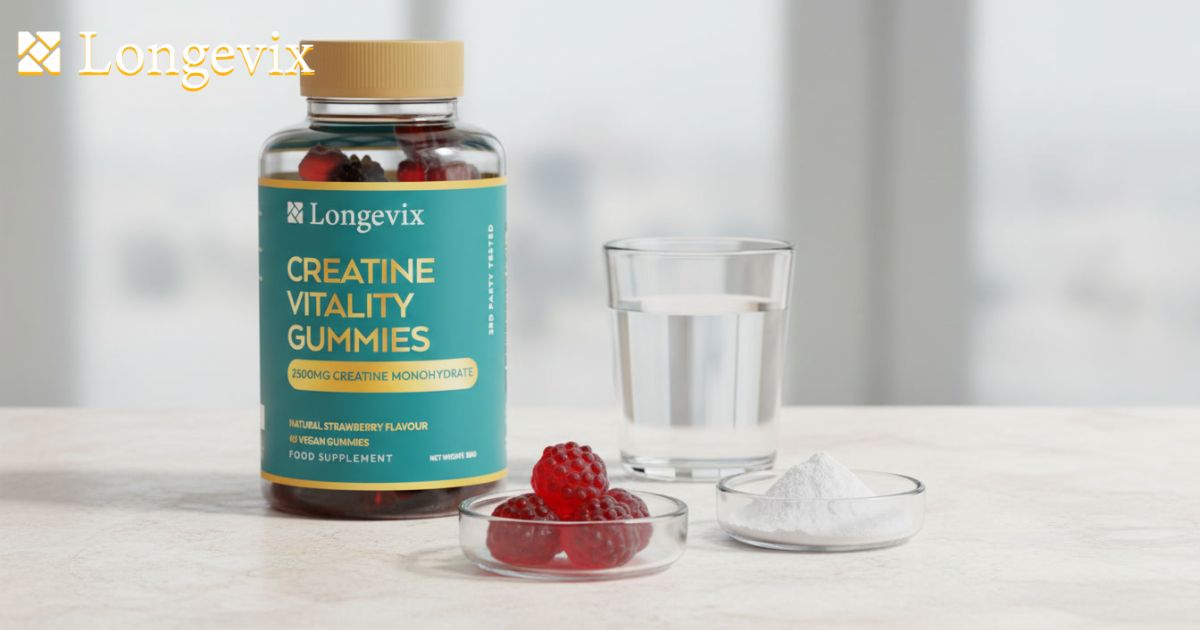
Importantly, sugar-free doesn’t always mean calorie-free, carbohydrate-free, or unsweetened. A gummy still needs texture, moisture, structure, and flavour. Manufacturers may achieve these qualities with fibres, polyols, starches, oils, coatings, or concentrated sweeteners. Therefore, the front label never tells the complete nutritional story.
Sugar-Free Doesn’t Always Mean Sugarless
In Great Britain, a sugar-free claim generally requires no more than 0.5 grams of sugars per 100 grams or 100 millilitres. The US rule generally requires less than 0.5 grams per labelled serving and reference amount. Identical wording can therefore rely on different calculations. See the UK claims guidance and FDA sugar-free guidance.
Sugar-Free and No Added Sugar Are Different
A no added sugar claim concerns ingredients introduced during manufacturing. A sugar-free claim concerns the final amount of sugar. A product might contain naturally occurring sugars without added table sugar. Conversely, a sweetened product may contain almost no sugar while still providing carbohydrates from fibres, starches, or polyols.
What Makes a Sugar-Free Gummy Chewy?
Sugar normally provides sweetness, body, moisture, and softness. Removing it creates a formulation puzzle. Manufacturers may use pectin, gelatine, fibres, polyols, oils, and acids to recreate a familiar bite. A low-calorie formula may therefore contain more supporting ingredients than a simple creatine powder.
|
Label term |
What it generally addresses |
What it doesn’t prove |
|
Sugar-free |
Sugar remains below the applicable legal threshold |
Zero calories or carbohydrates |
|
No added sugar |
Sugars weren’t added during manufacturing |
Complete absence of sugar |
|
Unsweetened |
Sweetening ingredients weren’t deliberately used |
Absence of natural sweetness |
|
Zero sugar |
Usually carries a regulated meaning similar to sugar-free |
Better creatine quality |
|
Low calorie |
Energy meets the applicable legal conditions |
Adequate creatine potency |
|
Naturally sweetened |
Sweetness comes from named ingredients |
Better tolerance for everyone |
Does Creatine Need Sugar to Work Effectively?
Creatine doesn’t require added sugar to enter the body or support muscle creatine stores. Regular intake can increase those stores without a sugary carrier. An older controlled study found that three grams daily gradually raised muscle creatine over 28 days, showing that a sugar-loaded delivery format wasn’t necessary.
Carbohydrate can affect creatine retention under certain experimental conditions. However, this finding doesn’t make sugar essential. Studies showing increased retention used substantial carbohydrate quantities that differ greatly from a normal gummy serving. Regular intake and an appropriate dose remain more practical than chasing a temporary insulin surge.
Why Carbohydrate Appears in Creatine Research
A controlled study found that taking creatine with 93 grams of simple carbohydrate increased skeletal-muscle creatine accumulation. Another trial found improved retention with almost 100 grams of carbohydrate or a protein-carbohydrate mixture. These protocols don’t prove that an ordinary sugary gummy works better. (Carbohydrate study; protein-carbohydrate study)
Muscle Saturation Works Like Filling a Reservoir
Creatine doesn’t behave like caffeine. You shouldn’t expect an immediate buzz after chewing one serving. Think of muscle saturation as gradually filling a reservoir. Regular intake raises or maintains the level, while repeatedly missing servings matters more than whether the product tastes sweet.
Daily Saturation Matters More Than Timing Tricks
Consistent intake supports daily saturation more reliably than complicated timing rituals. Loading can raise stores quickly, while steady daily use works more gradually. A practical routine should fit your normal day. It shouldn’t depend on perfect gym timing, fruit juice, or an exaggerated insulin-spike strategy.

A Clinical Dose Needs a Clear Number
The term clinical dose often appears without useful context. Research commonly examines daily maintenance intakes around three to five grams, although methods and participants vary. That range doesn’t prove every adult requires the same amount. More importantly, it doesn’t confirm that a particular gummy supplies enough creatine.
Sugar Free vs Regular Creatine Gummies
Neither version wins automatically. Regular gummies may provide familiar sweetness and softer texture. Sugar-free products may reduce added sugar exposure. However, both formats can theoretically deliver the same creatine amount. Meaningful differences usually involve total carbohydrates, sweeteners, digestive tolerance, serving size, and price per gram.
People following calorie-conscious diets may favour less sugar, but sugar-free products can still provide energy. Polyols, fibres, starches, and oils may contribute calories. Compare the complete nutrition information rather than trusting the largest phrase on the front of the bottle.
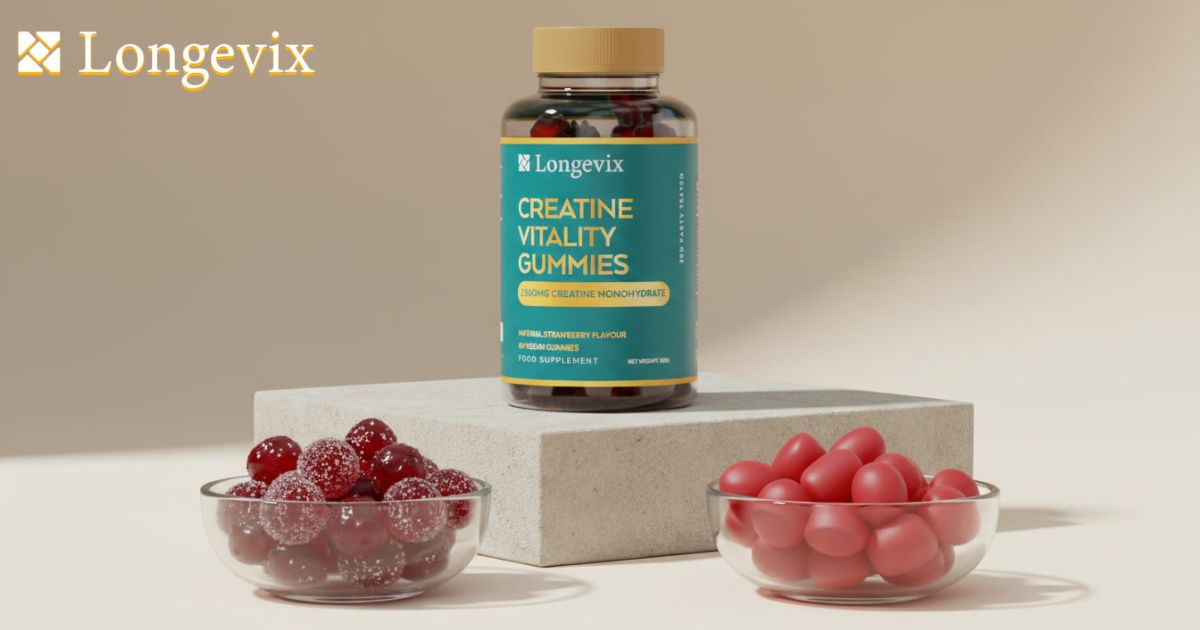
Added Sugar and Total Carbohydrate Tell Different Stories
Total carbohydrate can include sugars, starches, fibres, and sugar alcohols. A sugar-free gummy may therefore contain several grams of carbohydrate. US labels may show sugar alcohols beneath total carbohydrate, while UK nutrition declarations follow different formatting rules. Always assess the complete serving rather than one nutrient line.
Taste and Texture Can Affect Consistency
Taste matters because unpleasant supplements often gather dust. Sugar creates familiar sweetness and mouthfeel. Alternative sweeteners may produce cooling sensations, bitterness, or a lingering finish. These features don’t change creatine’s function, but they can influence whether you take the product consistently enough to obtain its potential performance benefits.
Sugar-Free Doesn’t Eliminate Dental Concerns
Replacing sugar may reduce one dental concern, but gummies can remain sticky and acidic. Citric acid and similar ingredients may contribute to enamel erosion when exposure becomes frequent. Sugar-free gummies shouldn’t replace ordinary brushing, appropriate dental care, or sensible eating habits. Taking one complete serving is preferable to grazing throughout the day.
Digestive Tolerance May Decide the Winner
Some polyols pass through the small intestine incompletely. Larger quantities may cause gas, bloating, or loose stools. UK labelling rules require a laxative warning when a food contains more than 10 per cent added polyols. Personal tolerance varies, making the full serving more relevant than a one-gummy taste test.
|
Comparison factor |
Sugar-free creatine gummies |
Regular creatine gummies |
|
Sugar content |
Below the relevant legal threshold |
Usually contains added sugars |
|
Sweetness source |
Polyols or concentrated sweeteners |
Sugar, glucose syrup, or mixtures |
|
Creatine effectiveness |
Depends on genuine creatine delivery |
Depends on genuine creatine delivery |
|
Energy content |
May be lower, but not always zero |
Often higher |
|
Digestive comfort |
Polyols may affect sensitive users |
Larger sugar servings may feel heavy |
|
Taste |
May include cooling or lingering notes |
Usually tastes more conventional |
|
Dental factors |
Acidity and stickiness still matter |
Sugar, acidity, and stickiness matter |
|
Value |
Compare cost per gram |
Compare cost per gram |
What Sweeteners Are Used in Sugar Free Creatine Gummies?
Sweeteners do more than cover creatine’s taste. They may create bulk, softness, moisture, and shelf stability. Manufacturers often combine several ingredients because one sweetener rarely performs every function. For example, maltitol may provide body while stevia supplies additional sweetness.
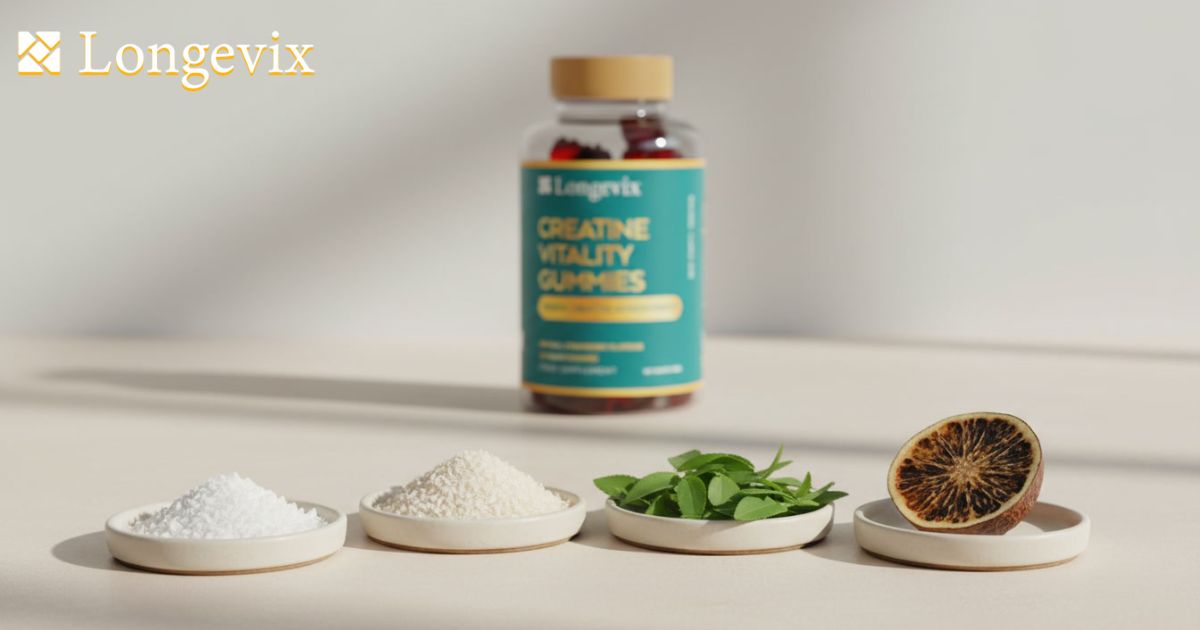
Approved sweeteners differ in energy content, sweetness, aftertaste, digestive behaviour, and glycemic impact. Sugar-free only describes the product’s sugar content. It doesn’t explain the entire sweetening system or predict how your digestive system will respond to a complete serving.
Maltitol and Sorbitol
Maltitol and sorbitol are common polyols that help recreate sugar’s body and chewiness. However, both may cause digestive discomfort when intake increases. Four gummies may provide a much greater sweetener load than one tasting sample. Check the serving size and any required laxative warning before regular use.
Erythritol
Erythritol contains fewer calories than ordinary sugar and often produces a cooling sensation. Manufacturers frequently combine it with stevia or another high-intensity sweetener. Current evidence doesn’t make it universally superior. Quantity, complete diet, and individual tolerance remain important. Read the EFSA erythritol review.
Stevia and Monk Fruit
Stevia and monk fruit extracts deliver substantial sweetness in small quantities. However, they cannot create gummy bulk alone. Manufacturers usually combine them with fibres, polyols, or other structural ingredients. Some people enjoy their flavour, while others notice bitterness or a persistent aftertaste.
Sucralose and Acesulfame Potassium
Sucralose and acesulfame potassium work in very small amounts. They may suit formulas that require strong sweetness without ordinary sugar’s bulk. Authorised sweeteners undergo safety assessment for defined uses. However, shoppers may still choose differently based on taste, preference, or personal dietary goals.
Fibre-Based Syrups and Bulking Ingredients
Soluble corn fibre, tapioca fibre, polydextrose, and similar ingredients can add volume and soften texture. However, fibre-based syrup isn’t nutritionally identical to fibre found naturally in whole foods. It may still contribute carbohydrates, calories, or digestive effects, depending on the formulation and serving size.
|
Sweetener category |
Common examples |
Main role |
Possible consideration |
|
Polyols |
Maltitol, sorbitol, erythritol, xylitol |
Sweetness and bulk |
Digestive tolerance |
|
High-intensity sweeteners |
Sucralose, acesulfame potassium |
Strong sweetness |
Aftertaste and preference |
|
Plant-derived sweeteners |
Stevia, monk fruit |
Concentrated sweetness |
Requires additional bulking ingredients |
|
Fibre-based ingredients |
Polydextrose, soluble corn fibre |
Texture and bulk |
May still affect digestion |
|
Conventional sugars |
Sucrose, glucose syrup |
Sweetness and structure |
Added sugar exposure |
Are Sugar Free Creatine Gummies a Smart Choice or Hype?
Sugar free creatine gummies can be a smart choice when they reduce unwanted sugar and make daily use easier. This format may suit low-carb diets when the complete carbohydrate amount fits the person’s goals. However, sugar removal alone cannot improve potency, stability, or manufacturing quality.
Hype begins when “sugar-free” distracts from missing information. A weak formula may hide its creatine amount, sweeteners, or real serving count. It may also promise dramatic strength, muscle, or cognitive effects without evidence from the finished gummy. Marketing then runs ahead of the facts.
When Sugar-Free Offers Genuine Value
Sugar-free gummies may suit adults who want to reduce frequent sugar intake while keeping a chewable format. They can also support calorie-conscious diets when the whole nutrition panel confirms lower energy. The benefit relates to the gummy base, not a stronger biological effect from creatine itself.
Ketogenic Diets Require More Than a Front Label
People following keto or other ketogenic diets should inspect total carbohydrate, serving size, and every sweetener. A product may contain very little sugar yet include other carbohydrates. Likewise, the phrase “keto-friendly” cannot replace complete nutritional information or an individual daily carbohydrate calculation.
Minimal Glycemic Impact Needs Evidence
Manufacturers sometimes promise minimal glycemic impact without publishing the complete formulation. Polyols usually affect glucose differently from ordinary sugar, but the response varies by ingredient, dose, meal, and person. Anyone managing blood sugar levels should use full nutritional information and personalised clinical advice rather than a general sugar-free claim.
The Smart Choice or Hype Test
A trustworthy product states creatine per complete serving, gummies per serving, named sweeteners, allergens, and testing context. Hype relies on bottle totals, proprietary blends, and sweeping promises. One question cuts through the noise: can you calculate exactly what you will consume each day?
How to Choose High-Quality Sugar Free Creatine Gummies
Begin with the creatine form. Creatine monohydrate has the longest and strongest research history. A fashionable variation or complicated trademark doesn’t automatically perform better. Next, confirm how much creatine appears in the complete recommended serving rather than assuming each gummy provides the promoted amount.
Then examine sweeteners, gelling agents, allergens, storage instructions, and manufacturer information. Strong dosage accuracy matters because several gummies may make one serving. Heat, moisture, and formulation can also affect quality. A pleasant flavour still needs transparent arithmetic and credible production controls.
Check Creatine Per Full Serving
A bottle may display “5,000 milligrams” prominently. That number could refer to one serving, several servings, or the entire container. Find the quantity delivered by the recommended serving. When the label doesn’t make this clear, comparing effectiveness or value becomes unnecessarily difficult.
Calculate the Real Serving Count
Suppose a bottle contains 60 gummies. When four gummies make one serving, the bottle provides 15 complete servings. Another 60-gummy bottle may require only two daily, providing 30 servings. Identical piece counts can therefore conceal very different value, convenience, and monthly cost.
Illustrative Case Study: Two Similar Bottles
Consider two hypothetical £24 bottles. Bottle A supplies 30 servings containing three grams each. Bottle B supplies only 15 servings and doesn’t disclose its creatine amount. Bottle A costs £0.80 per serving, while Bottle B costs £1.60. The same shelf price can hide weaker value and poorer transparency.
|
Hypothetical detail |
Bottle A |
Bottle B |
|
Bottle price |
£24 |
£24 |
|
Gummies per bottle |
60 |
60 |
|
Gummies per serving |
2 |
4 |
|
Complete servings |
30 |
15 |
|
Creatine per serving |
3g |
Not disclosed |
|
Cost per serving |
£0.80 |
£1.60 |
|
Label clarity |
Strong |
Weak |
Confirm Purity and Testing Context
The word purity sounds reassuring, but it needs context. Identity testing asks whether creatine is present. Potency testing measures its quantity. Heavy-metal testing examines selected contaminants. No single test answers every question. A meaningful laboratory report should identify the product, batch, method, specification, date, and result.
Understand Third-Party Tested Claims
A third-party tested badge should explain what an independent laboratory examined. A raw-material certificate cannot automatically verify the finished gummy. Likewise, a contaminant report doesn’t prove creatine potency. Match the product name, batch number, laboratory, date, method, specification, and result.
Look for Ingredient Traceability
Strong ingredient traceability connects raw materials, manufacturing records, finished batches, and relevant test documents. It doesn’t require a company to expose confidential commercial details. However, it should provide enough information to investigate a quality concern. Vague wording such as “premium blend” offers little practical reassurance.
|
Quality check |
Strong evidence |
Warning sign |
|
Creatine form |
Creatine monohydrate is clearly named |
“Advanced creatine blend” |
|
Active amount |
Stated per complete serving |
Only the bottle total appears |
|
Serving count |
Easy to calculate |
Gummy count hides the servings |
|
Sweeteners |
Every sweetener is identified |
“Natural sweetening complex” |
|
Vegan suitability |
Gelling agent is confirmed |
Fruit imagery implies suitability |
|
Testing |
Product and batch match |
Generic laboratory badge |
|
Storage |
Clear heat and moisture guidance |
No storage instructions |
|
Claims |
Measured and evidence-led |
Guaranteed transformation |
Who May Prefer Sugar Free Creatine Gummies?
This format may suit adults who dislike mixing powder. Commuters, travellers, and busy professionals may also appreciate portability. People following calorie-conscious diets may prefer less sugar, although total calories still matter. Convenience can improve consistency when the formula remains transparent and tolerable.
However, gummies won’t suit everyone. People sensitive to polyols may prefer powder or capsules. Anyone with kidney disease, pregnancy, breastfeeding, medication use, or unusual laboratory results should seek individual guidance. The words sugar-free supplements don’t create a universal safety guarantee.
People Who Dislike Creatine Powder
Some users dislike chalky drinks, leaking shakers, and measuring scoops. Gummies remove those small barriers. That convenience matters because even a well-researched powder offers little value when it remains unopened. However, flavour and portability should never replace accurate creatine information.
Travellers and Commuters
Gummies travel easily, yet high temperatures can soften them or make them stick together. A hot vehicle, sunny windowsill, or damp gym locker may damage texture. Keep the product in its original packaging and follow the manufacturer’s storage instructions.
People Following Low-Carbohydrate Eating Patterns
Adults following low-carb diets may consider creatine gummies without sugar. However, total carbohydrate can still include fibres, starches, and polyols. Read the complete nutrition declaration. Never assume one front-label phrase accurately describes the product’s full dietary effect.
Vegans and Plant-Based Consumers
Dietary creatine intake tends to be lower in plant-based diets because meat and fish provide natural creatine. A vegan gummy may therefore attract interest. Still, shoppers should check the gelling agent. Pectin may suit vegan diets, while gelatine doesn’t. Sugar-free and vegan remain entirely separate claims.
People Sensitive to Polyols
Some individuals tolerate erythritol but react to maltitol or sorbitol. Others experience the opposite pattern. Read the ingredient list instead of guessing from flavour or packaging. If the recommended serving causes persistent discomfort, stop using the product and seek appropriate guidance.
How to Take Creatine Gummies Safely and Consistently
Follow the directions for the specific product. One brand may require two gummies, while another requires four. Don’t borrow a competitor’s gummy count or copy a powder protocol. Additional ingredients can also affect the recommended amount. The whole formulation determines the correct directions.
Consistency generally matters more than precise timing. Creatine supports the gradual building and maintenance of body stores. It doesn’t act as an immediate stimulant. Choose a repeatable time and follow the label on training and rest days unless qualified advice recommends otherwise.
Before or Post-Workout?
Taking creatine post-workout isn’t clearly superior for every person. A small within-person trial found similar changes when creatine was consumed immediately before or after resistance training. The practical lesson remains simple: choose the timing you can maintain. Read the timing study.
Loading Versus Steady Use
Traditional loading uses several divided servings over several days and raises muscle stores faster. However, loading with gummies may also multiply sweeteners, acids, vitamins, and supporting ingredients. Steady daily use raises stores more gradually. Never improvise a loading plan without suitable product guidance.
Rest Days Still Count
Muscle creatine stores don’t disappear when you skip the gym. Regular protocols generally continue across training and non-training days. Creatine and protein also perform different roles. Creatine supports rapid energy recycling, while protein provides amino acids required for tissue maintenance and adaptation.
Hydration and Scale Weight
Creatine may increase water held with muscle. Body weight can therefore rise before visible physique changes appear. This change doesn’t automatically represent fat gain. Maintain normal hydration for your activity, environment, and health needs. Drinking extreme amounts of water isn’t necessary.
Digestive Discomfort Has Several Possible Causes
A gummy may contain creatine, acids, fibres, polyols, and several active ingredients. Any of these could contribute to discomfort. Reducing the serving randomly may also reduce creatine exposure. Persistent or severe symptoms deserve professional attention rather than repeated experimentation.
Kidney Tests Need Context
A 2025 systematic review found a modest rise in serum creatinine without a significant reduction in glomerular filtration rate. Creatine may therefore complicate the interpretation of creatinine-based tests without necessarily indicating kidney damage. Tell your healthcare professional about supplementation before kidney-related blood tests. (Kidney review)
How Longevix Creatine Vitality Gummies Fit This Guide
Longevix Creatine Vitality Gummies combine creatine monohydrate, taurine, trimethylglycine, and vitamin B12 in a strawberry-flavoured format. The current listing confirms 60 gummies, with four gummies per serving and 15 complete servings in each bottle.
However, the webpage doesn’t publish the individual active quantities or describe the product as sugar-free. Therefore, it shouldn’t be presented as a sugar-free creatine gummy without checking the latest physical label. Clear boundaries improve trust and prevent unsupported product claims.
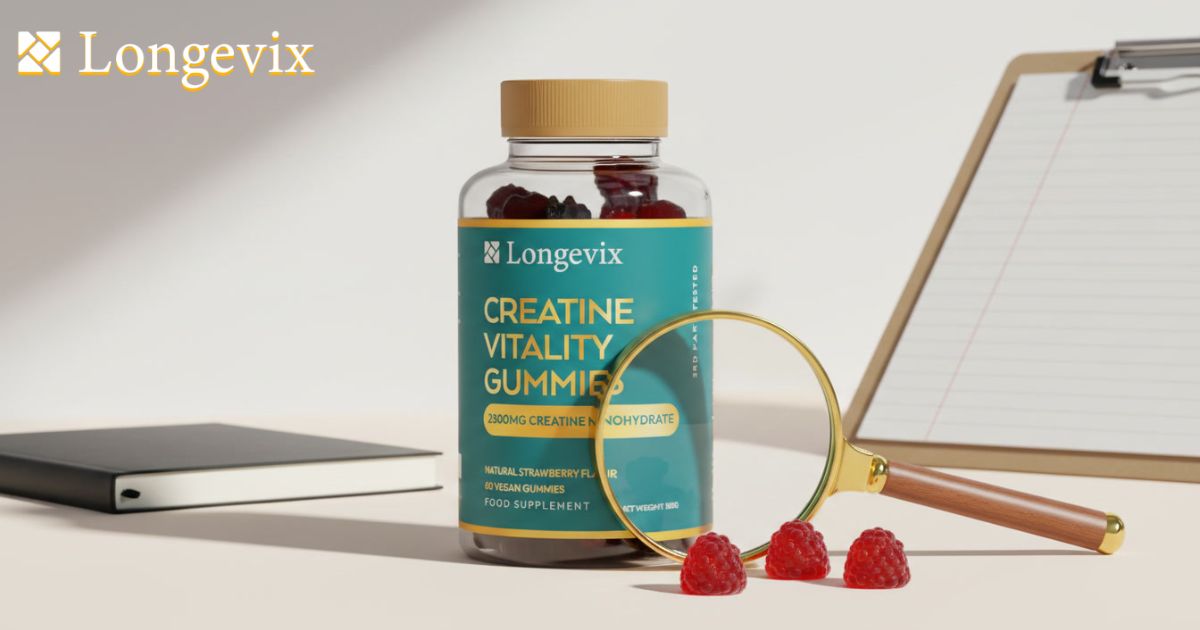
Confirmed Longevix Product Information
The current product page confirms the format, named active ingredients, serving size, bottle count, and vegan-friendly positioning. It directs customers to the physical label for complete ingredients, quantities, allergens, and directions. Product details can change, so the most recent label remains authoritative.
|
Product detail |
Current Longevix information |
|
Product name |
Longevix Creatine Vitality Gummies |
|
Format |
Strawberry-flavoured gummies |
|
Creatine form |
Creatine monohydrate |
|
Supporting ingredients |
Taurine, TMG, and vitamin B12 |
|
Bottle contents |
60 gummies |
|
Serving size |
Four gummies |
|
Servings per bottle |
15 |
|
Usage |
Up to four gummies daily, following the label |
|
Vegan status |
Identified as vegan-friendly |
|
Sugar-free status |
Not confirmed on the webpage |
|
Individual active amounts |
Check the current physical label |
Why Supporting Ingredients Need Context
Taurine, TMG, and vitamin B12 perform different physiological roles. Their presence doesn’t prove improved creatine absorption or superior performance benefits. Formula synergy requires evidence involving the actual combination and quantities. Separate ingredient studies cannot confirm the effect of every finished product.
What the Longevix Label Should Confirm
The latest physical label should state active quantities, complete ingredients, allergens, and nutritional information. It should also identify sweeteners and sugar content. Without those details, no accurate conclusion can be made about zero-sugar status, calories, carbohydrate content, or suitability for strict dietary plans.
Longevix Testing and Certificate Information
Longevix states that it tests products and publishes Certificates of Analysis. However, the current certificate index doesn’t display a separate certificate for Creatine Vitality Gummies. A matching report should be available before describing the product as having a publicly accessible gummy-specific certificate.
Avoiding Ingredient Overlap
Longevix also sells products containing TMG. Someone combining several formulas should count TMG from each current label. More supplements don’t automatically deliver better results. Ingredient overlap can increase cost, complicate tolerance, and make it harder to identify the cause of an unwanted effect.
For broader creatine information, read Creatine Monohydrate Gummies: Choose with Confidence. Current products appear in the Longevix shop, while product questions can be submitted through the contact page.
The Final Verdict
Sugar free creatine gummies can be a sensible choice when they reduce unwanted sugar and deliver transparent creatine. They become hype when the sugar claim hides weak dosage accuracy, unclear value, or missing testing. Read the complete label because careful arithmetic beats polished advertising.
Ultimately, sugar-free status represents only one product characteristic. Check the creatine form, quantity, sweeteners, complete serving, purity, and ingredient traceability. When those details remain clear, a gummy may offer genuine convenience. When they disappear, the product hasn’t earned your confidence.
This article provides general educational information. It doesn’t replace personalised medical advice, diagnosis, or treatment. Food supplements shouldn’t replace a varied diet, balanced lifestyle, or appropriate healthcare.
Frequently asked questions
Do Sugar-Free Creatine Gummies Work as Well as Regular Versions?
Yes, when both versions provide the same amount and quality of stable creatine monohydrate. Sugar removal doesn’t prevent creatine from functioning. However, a sugar-free claim alone cannot prove potency, stability, or manufacturing consistency.
Is the Sugar-Free Version Better for Keto or Low-Carb Diets?
It may fit keto or low-carbohydrate eating more easily, but sugar-free doesn’t mean zero-carb. Check total carbohydrates, sweeteners, and serving size before deciding whether the product fits your personal daily allowance.
How Much Creatine Is in Sugar-Free Gummies?
The amount varies considerably between products. Check creatine per complete serving rather than relying on the number of gummies or the total printed on the bottle. One serving may contain two, four, or more pieces.
Can Sugar Alcohols Cause Stomach Problems?
Yes. Maltitol, sorbitol, and other polyols may cause gas, bloating, or loose stools when consumed in larger amounts. Individual responses differ, so an ingredient tolerated by one person may trouble another.
Are Longevix Creatine Vitality Gummies Sugar-Free?
The current Longevix product page doesn’t make that claim. It confirms creatine monohydrate, taurine, TMG, vitamin B12, 60 gummies, and 15 four-gummy servings. Check the current physical label or contact Longevix for complete sugar and sweetener information.


