A cellular energy supplement aims to support processes that help your cells make, transfer, or recycle usable energy. At the centre sits ATP, often called the body's energy currency. Your cells regenerate it through cellular respiration, while mitochondria handle much of the aerobic energy-making process. However, cellular energy is more complex than simply feeling energetic.
That difference matters when comparing supplements. NAD+ precursors, creatine, TMG, and B vitamins interact with different biological systems. They shouldn't be treated as interchangeable “energy boosters." Understanding those distinctions makes choosing a cellular energy supplement easier. More importantly, it helps you separate plausible biochemistry from claims that human research hasn't yet proved.
What Is a Cellular Energy Supplement—and What Does It Actually Support?
The phrase cellular energy supplement describes a broad group rather than one recognised scientific category. Products may contain nutrients associated with cellular energy production, ATP recycling, NAD+ metabolism, or other metabolic pathways. They don't provide cellular energy in the same way food supplies calories. Instead, particular ingredients may participate in specific biochemical reactions.
That distinction protects you from an easy marketing trap. Healthy cellular function depends on nutrition, oxygen delivery, hormones, sleep, activity, and many interacting systems. Therefore, fatigue reduction cannot be assumed because an ingredient participates in metabolism. Persistent tiredness may have several causes, including sleep problems, iron-deficiency anaemia, medicines, diabetes, thyroid disorders, and stress.
How Your Cells Make Energy: ATP, Mitochondria, and Cellular Respiration
ATP works rather like rapidly circulating biological currency. Adenosine triphosphate stores transferable chemical potential that cells can couple to useful work. ATP hydrolysis produces ADP and inorganic phosphate while releasing free energy overall. This Energy currency helps power processes such as active transport, biosynthesis, nerve signalling, and muscle contraction.
The journey begins with glycolysis, where glucose becomes pyruvate and yields a small net amount of ATP. Pyruvate can then become acetyl-CoA, which enters the citric acid cycle. Electron carriers feed oxidative phosphorylation, where most aerobic ATP production occurs. The familiar powerhouse of the cell description for mitochondria is useful, although cellular energetics involves much more than one organelle.
NAD+ and Cellular Energy: Where NMN and NR Actually Fit
NAD+ plays an essential role in redox reactions. It accepts and transfers electrons during processes connected with mitochondrial energy and wider energy metabolism. In simple terms, it helps cells convert food into energy through coordinated biochemical reactions. Yet NAD+ isn't a stimulant, and higher NAD-related biomarkers don't automatically mean greater alertness or less fatigue.
NMN and nicotinamide riboside, usually shortened to NR, are NAD+ precursors. Human studies show that these compounds can alter NAD-related biomarkers. However, clinical outcomes remain inconsistent and context dependent. Reviews of human NR research have found reliable target engagement without equally consistent improvements in meaningful health outcomes. That distinction deserves more attention than supplement marketing often gives it.
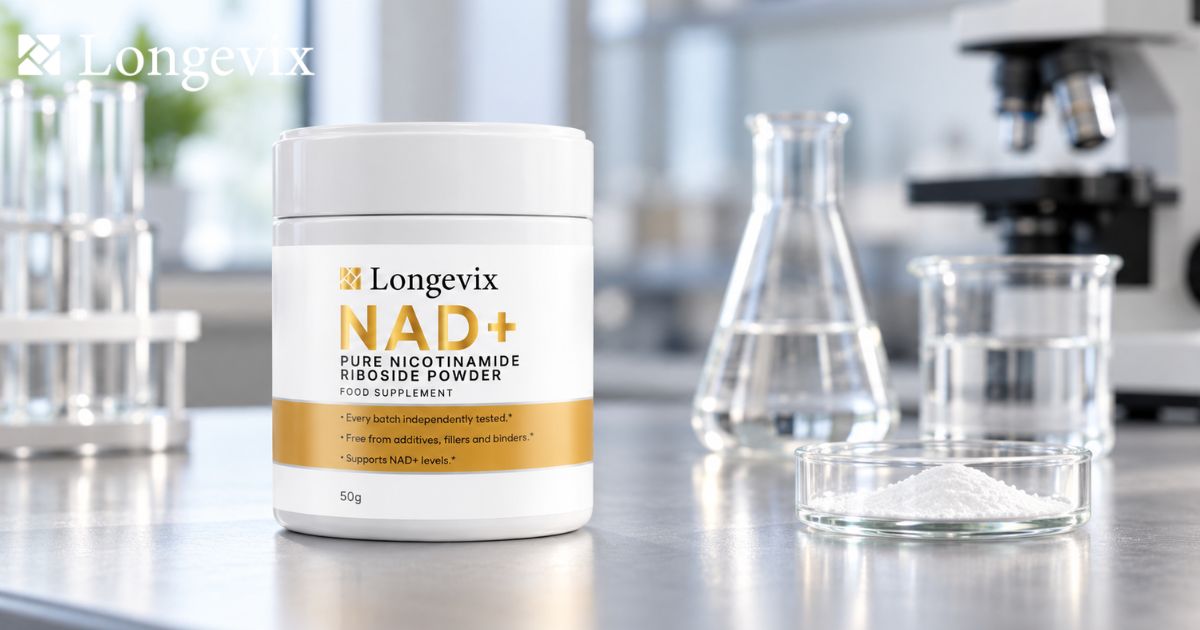
Longevix reflects these different formats within its current range. Pure NMN Capsules provide 500mg NMN per capsule. Pure NMN Powder uses a 1,000mg labelled serving. Pure Nicotinamide Riboside Powder contains nicotinamide riboside chloride with a 1,000mg labelled serving. You can compare their current specifications through the Longevix supplement shop.
Creatine and ATP Regeneration: A Different Cellular Energy Pathway
Creatine approaches cellular energetics through a different route. Muscle stores part of its creatine pool as phosphocreatine. During brief periods of high demand, phosphocreatine can donate a phosphate group to ADP and rapidly help regenerate ATP. This phosphagen system becomes particularly valuable when energy demand rises suddenly during intense muscular activity.
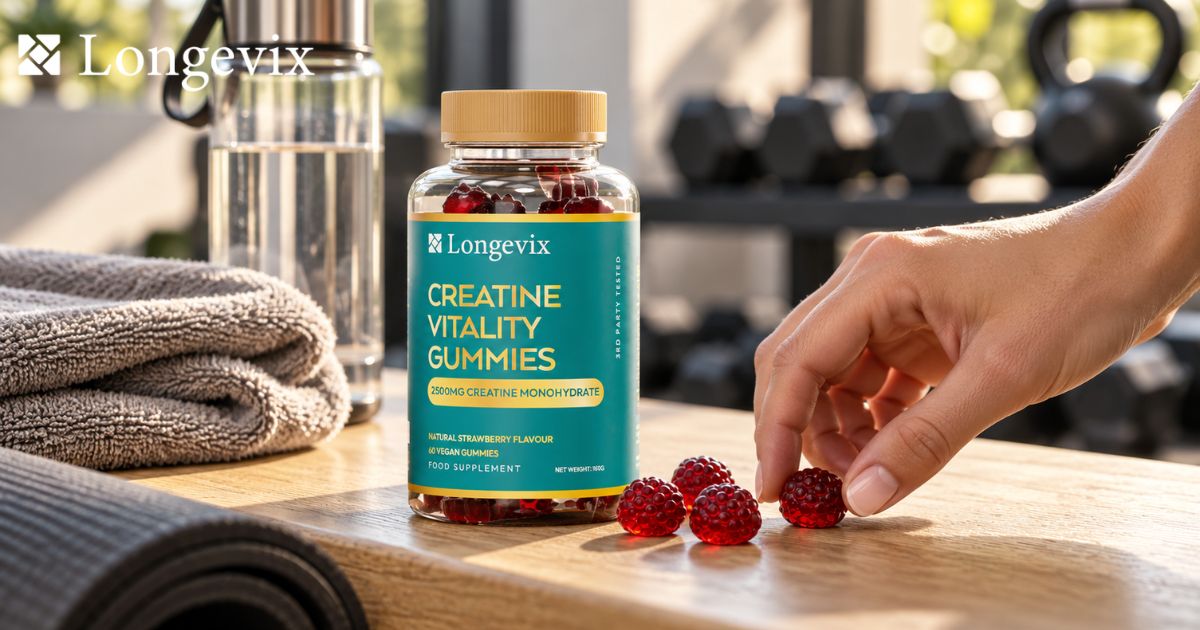
That mechanism makes creatine fundamentally different from NMN and NR. Creatine isn't an NAD+ precursor. One analogy is a rapid-response reserve rather than part of the NAD redox network. Longevix Creatine Vitality Gummies currently contain creatine monohydrate alongside taurine, TMG, and vitamin B12, with four gummies forming the labelled serving. Individual active quantities should still be checked on the latest physical label.
TMG, Vitamin B3 and B12: Supporting Roles Aren’t the Same as Fuel
Vitamins don't act like tiny packets of calories. Several B vitamins contribute to energy-yielding metabolism through coenzyme-dependent reactions. Vitamin B1 (thiamin) supports important carbohydrate-metabolism pathways. Riboflavin forms parts of FAD and FMN, while niacin contributes to NAD and NADP. These nutrients help metabolism work normally rather than behaving like instant stimulants.
Pantothenic acid helps the body make coenzyme A, which has central roles in fatty-acid and carbohydrate metabolism. This illustrates why nutrient conversion depends on a biochemical network. Adequate dietary sources of B vitamins still matter. Notably, NIH guidance reports that B12 supplementation doesn't improve athletic performance or endurance when vitamin B12 status is already sufficient.
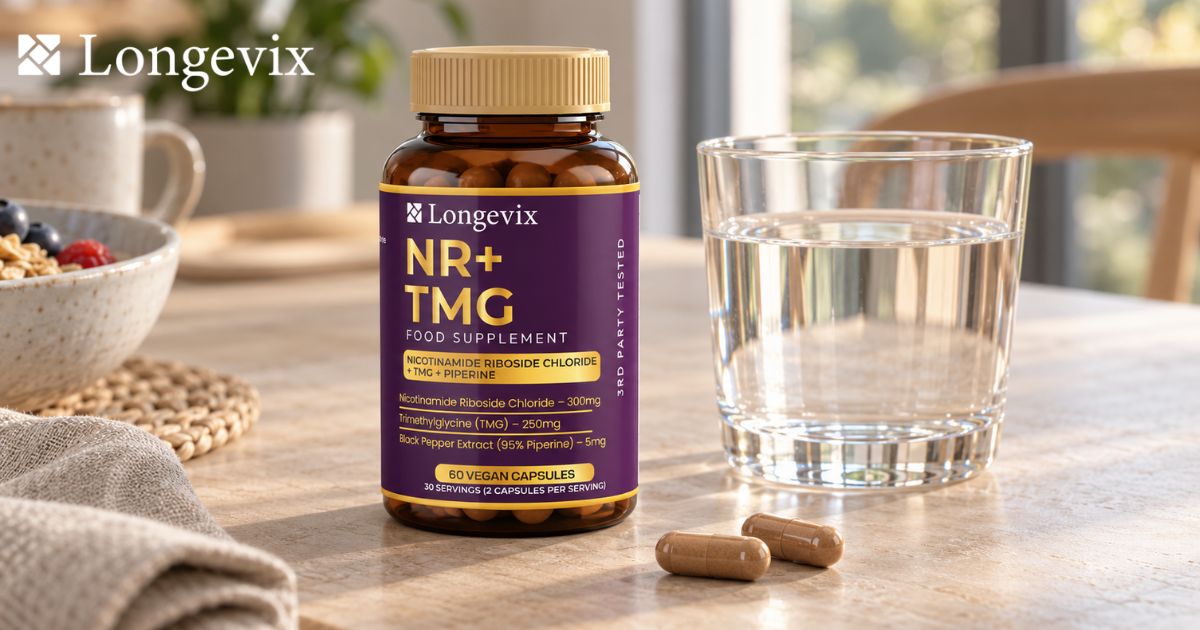
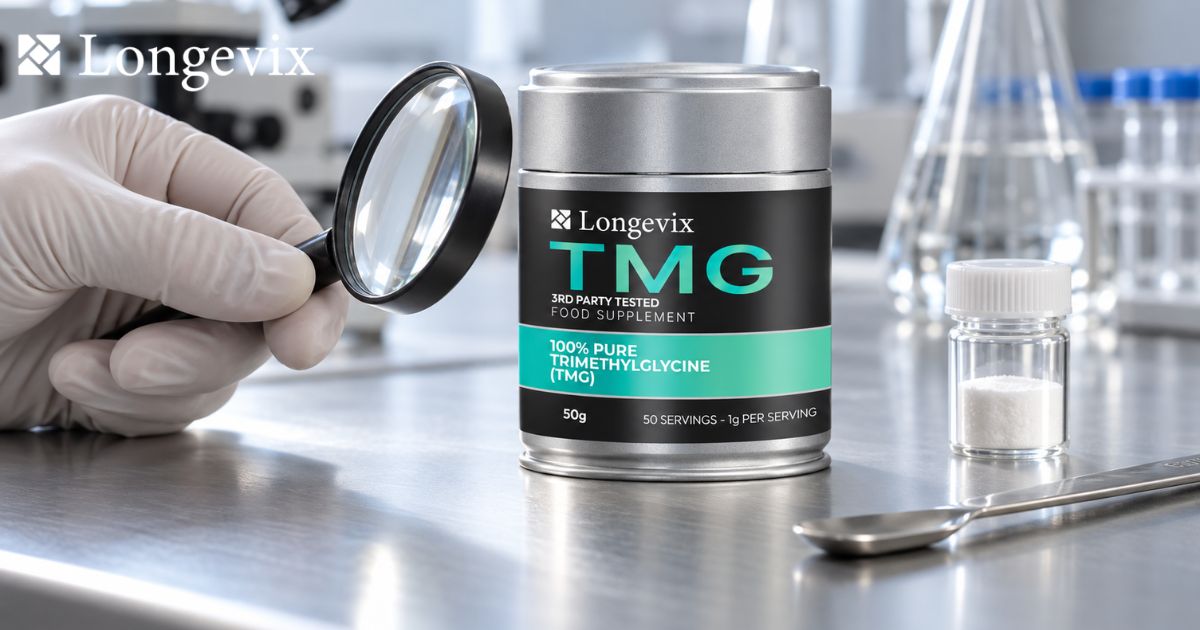
TMG belongs to another pathway. Trimethylglycine, also called betaine, can donate methyl groups during homocysteine remethylation. It shouldn't be described as direct cellular fuel or an NAD+ precursor. Longevix currently offers Pure TMG Powder while also including TMG in NR + TMG Capsules and Creatine Vitality Gummies. That makes total intake worth reviewing across a complete supplement routine.
Which Longevix Products Connect With Cellular Energy Pathways?
At the time of review, Longevix lists seven products. They don't all target the same biology. NMN and NR relate most directly to NAD+ precursor pathways. Creatine relates to rapid ATP regeneration. TMG belongs mainly to methylation biology. Treating every product as one generic energy supplement would therefore obscure meaningful differences between their ingredients.
The comparison below focuses on information currently stated by Longevix rather than inferred benefits.
|
Longevix product |
Current labelled information |
Relevant biological context |
Format |
|
Pure NMN Capsules 500mg |
500mg NMN per capsule; 30 capsules |
NAD+ precursor biology |
Capsules |
|
Pure NMN Powder 50g |
1,000mg labelled serving; approximately 50 servings |
NAD+ precursor biology |
Powder |
|
Pure Nicotinamide Riboside Powder 50g |
1,000mg nicotinamide riboside chloride serving; approximately 50 servings |
NAD+ precursor biology |
Powder |
|
NR + TMG Capsules |
300mg NR, 250mg TMG and 5mg piperine per two capsules |
NAD+ precursor plus methylation context |
Capsules |
|
NAD+ Support Gummies |
300mg NR, 250mg quercetin, 250mg trans-resveratrol and 250mg nicotinamide per two gummies |
Multi-ingredient NAD+ support format |
Gummies |
|
Creatine Vitality Gummies |
Creatine monohydrate with taurine, TMG and B12; four-gummy serving |
Rapid ATP regeneration context |
Gummies |
|
Pure TMG Powder 50g |
1,000mg TMG per two-scoop serving |
Methylation and one-carbon metabolism |
Powder |
These figures come from Longevix's current online product records. Complete ingredients, warnings, allergens, and any quantities not stated online should still be checked against the physical label. Testing documents also need product and batch matching. The Certificates of Analysis section explains exactly what customers should inspect before drawing conclusions from a report.
Do Cellular Energy Supplements Work? What Human Studies Really Show
The important question isn't whether an ingredient participates in biochemistry. Almost every nutrient does. The harder question asks whether supplementation produces a useful outcome in real people. Catabolism releases usable chemical energy from larger molecules, NAD biomarkers can change, and ATP systems can respond. However, biological activity doesn't automatically equal better vitality, endurance, sleep, or health.
A useful case study comes from a 2024 double-blind trial involving 60 older adults. Participants received either placebo or 250mg NMN daily for 12 weeks. NMN increased blood NAD-related markers and improved some secondary measures, including four-metre walking time. However, the primary stepping-test outcome showed no significant difference between groups. That mixed result illustrates why endpoint selection matters.
NR research reinforces the same lesson. A critical review of human trials concluded that oral NR reliably affects NAD biology, yet clinically relevant benefits have often been limited or inconsistent. More recent research also shows that raising NAD+ can occur without clear improvements in fatigue or other symptoms. Biochemical target engagement should therefore be separated from proven everyday benefit.
Does Cellular Energy Decline With Age? Separating Biology From Hype
Ageing affects many systems involved in cellular energetics. Researchers study changes in mitochondrial quality control, metabolic flexibility, muscle mass, redox balance, and NAD+ biology. However, the body doesn't have one universal cellular battery that simply empties with age. Mitochondria also vary across tissues because heart, liver, brain, and skeletal muscle have different metabolic demands.
This matters when interpreting longevity marketing. Evidence that a biological pathway changes with age doesn't prove that every older adult has a deficiency. It also doesn't prove that increasing one metabolite reverses ageing. Recent reviews describe NAD+ precursor supplementation as biologically active while noting that human functional and healthspan outcomes remain heterogeneous and often endpoint specific.
How to Support Cellular Energy Beyond Supplements
Your cells depend on more than capsules, powders, or gummies. Food supplies carbohydrates, fats, amino acids, vitamins, and minerals needed across cellular energy production pathways. Exercise challenges muscle energetics and promotes physiological adaptation. Sleep supports recovery and metabolic regulation. Together, these foundations influence cellular health more broadly than any single supplement ingredient.
A varied diet also supplies cofactors involved in energy metabolism. Thiamin supports normal metabolic reactions, while pantothenic acid contributes to coenzyme A formation. Regular movement increases energy demand and helps tissues adapt. Supplements may complement those foundations, yet they shouldn't replace adequate nutrition, hydration, training, sleep, or appropriate healthcare. NIH guidance likewise places diet and hydration at the foundation of physical performance.
Persistent tiredness needs even more care. The NHS notes that fatigue can arise from insufficient sleep, lifestyle factors, medicines, hormonal changes, anaemia, diabetes, thyroid problems, and other conditions. If tiredness lasts for weeks, affects daily life, or occurs with other symptoms, medical assessment offers more value than assuming low cellular energy.

How to Choose a Cellular Energy Supplement Without Falling for Hype
A good decision starts with the ingredient list rather than an exciting front-label phrase. Check what the product contains, what one complete serving provides, and which pathway that ingredient actually influences. NMN and NR relate to NAD+ precursor biology. Creatine supports phosphocreatine-dependent ATP recycling. TMG chiefly relates to methylation. Similar marketing language doesn't make those mechanisms equivalent.
Serving size can change the picture quickly. One serving may mean one capsule, two capsules, two gummies, or four gummies. Combination formulas can also duplicate ingredients. For example, Longevix currently uses TMG in standalone powder, NR + TMG capsules, and Creatine Vitality Gummies. Reviewing your entire routine helps prevent accidental overlap.
Testing deserves equal scrutiny. Longevix tells customers to match a report to the correct product and batch while checking the tests actually performed. A certificate may cover identity, assay, purity, contaminants, or another defined measurement. It shouldn't be presented as evidence for tests it never included. As Longevix states, “Premium should mean more than a polished label.”
For UK readers, food supplements cannot legally claim or imply that they treat, prevent, or cure disease. US rules also separate permitted structure/function claims from disease-treatment claims. This reinforces a sensible buying principle: strong scientific language on a label shouldn't outrun the evidence behind the actual ingredient or finished product.
Ultimately, don't ask only, “Which cellular energy supplement gives me energy?” A better question is whether you understand the pathway, ingredient amount, available human evidence, testing scope, and your own reason for considering it. That approach leaves less room for hype while giving you a clearer basis for an informed decision.
Frequently asked questions
What is a cellular energy supplement?
A cellular energy supplement contains nutrients or compounds associated with processes such as ATP production, mitochondrial metabolism, NAD+ biology, or ATP recycling. Different ingredients act through different pathways.
What is cellular energy?
Cellular energy is the usable chemical energy cells need to perform work. ATP, or adenosine triphosphate, plays a central role by transferring energy between biochemical reactions.
How do cellular energy supplements work?
They may support particular metabolic pathways involved in making, transferring, or recycling ATP. Their effects depend on the ingredient, dose, nutritional status, and the outcome being measured.
What supplements increase ATP and cellular energy?
Creatine can support rapid ATP regeneration through the phosphocreatine system. NAD+ precursors and B vitamins participate in other metabolic processes, but they shouldn't be described as equivalent ATP-boosting ingredients.
Do B vitamins give you energy? Does vitamin B help with cellular energy?
B vitamins help normal metabolic reactions that release and use energy from food. They aren't stimulants, and extra B12 doesn't improve energy or performance when your B12 status is already adequate.