If you’re searching for the best supplement for DNA repair, you probably want something more useful than another miracle capsule. Your cells already run intricate repair systems every day. Nutrients can help those systems work normally, especially when your diet leaves gaps. However, no supplement has convincingly shown it can erase human DNA damage or turn back ageing.
Editorial evidence note: This article discusses research and general information, not a diagnosis or a promise that a product will prevent, treat or cure a condition. Clinical questions and supplement suitability require individual professional advice.
This guide separates genuine DNA repair enzymes and genomic stability research from optimistic marketing. It explores magnesium, zinc, vitamin C, and Longevix products with clear ingredient labels. You’ll also learn where NAD+ precursors fit, what UK and US rules mean, and why everyday habits still deserve centre stage for your long-term health.
What Is DNA Repair and Why Does It Matter?
Your DNA works like a detailed instruction manual inside nearly every cell. Unfortunately, everyday chemistry can leave small marks on those instructions. Sunlight, pollution and normal metabolism contribute to DNA damage. Fortunately, your body operates several maintenance systems that identify problems, remove damaged material and restore the genetic sequence.
As you grow older, cellular ageing changes how your tissues respond to stress. Some maintenance processes become less efficient in particular cells and circumstances. However, ageing doesn't mean DNA repair simply stops. Your cells continue working to protect their genetic information throughout life. Understanding these processes helps you judge supplement claims more realistically.
How Does Your Body Repair Damaged DNA?
Think of DNA repair enzymes as specialised proofreaders. Base excision repair removes certain damaged chemical bases. Meanwhile, nucleotide excision repair deals with larger distortions, including some caused by ultraviolet light. Other systems repair DNA strand breaks. These mechanisms work together, although each handles different types of damage and requires different cellular resources.
What Causes DNA Damage in Everyday Life?
Even healthy cells produce reactive oxygen species during metabolism. Excessive exposure can affect cellular DNA, while ultraviolet light and tobacco smoke introduce additional hazards. Some lesions involve single-strand breaks. Others affect both strands. The practical goal isn't eliminating every reaction. It's reducing avoidable exposure and maintaining normal biological function.
Best Supplement for DNA Repair: What Does Science Say?
The most useful starting point isn't an expensive anti-ageing formula. It's identifying nutritional gaps that could interfere with normal cellular function. Several micronutrients participate in DNA synthesis, enzyme activity or antioxidant systems. Correcting a genuine deficiency can help restore normal physiology. Taking extra nutrients when you're already sufficient is another question entirely.
A 2023 systematic review of human studies examined nutrients and markers of DNA damage. It identified potentially protective findings for several vitamins, minerals and plant compounds. However, trial designs and outcomes varied. Changes in laboratory markers don't automatically establish fewer mutations, better health or longer life.
Which Supplements Have the Most Relevant Human Evidence?
Certain vitamins and minerals have stronger nutritional foundations than fashionable longevity blends. Folate, vitamin B12 and zinc support normal DNA synthesis or metabolism. Antioxidant-related nutrients may influence some damage markers. Still, evidence for supplements improving DNA integrity depends on the population, baseline nutritional status and outcome measured.
Why Is Correcting a Deficiency So Important?
A micronutrient deficiency can disrupt processes that normally depend on that nutrient. For example, insufficient folate affects DNA synthesis during cell division. Addressing such deficiencies has a clearer medical rationale than taking extra doses without a demonstrated need. No single capsule has proven it can optimise every one of your repair pathways.
A healthier laboratory marker isn't automatically proof that damaged human DNA has been repaired.
Magnesium and DNA Repair: An Essential Mineral
Among minerals, magnesium deserves attention because cells use it across many essential biochemical reactions. These include ATP-related processes and DNA metabolism. However, its involvement doesn't establish that taking extra magnesium accelerates DNA repair in otherwise healthy adults. The strongest reason to consider supplementation remains inadequate intake or a clinically identified need.
Food offers a useful first approach. Pumpkin seeds, nuts, beans, whole grains and leafy vegetables contain magnesium. Furthermore, varied meals provide other nutrients that work alongside it. Someone with limited dietary intake may benefit from reviewing magnesium consumption. However, a supplement should complement a balanced diet rather than replace nutritious food.
Longevix Magnesium Complex: Ingredients and Serving Details
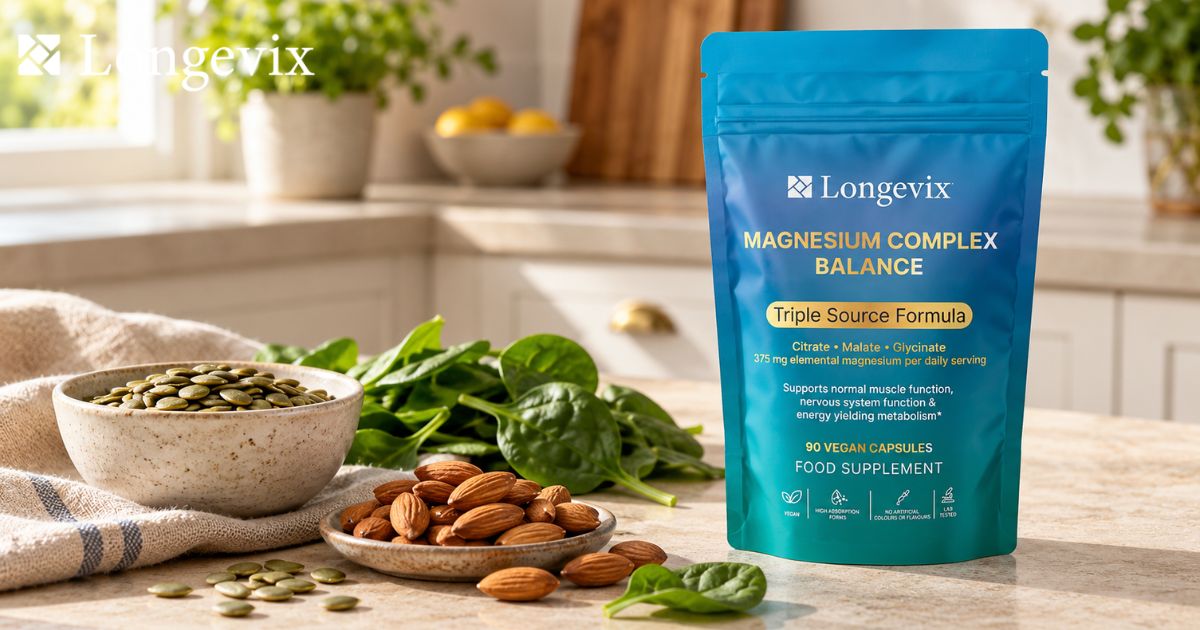
LONGEVIX Magnesium Complex 3-in-1 combines glycinate, malate and citrate forms. Its current label lists 375 mg elemental magnesium per three-capsule serving. This exceeds the US adult supplemental upper limit of 350 mg daily, unless medically supervised. That limit concerns supplements and medicines, not naturally occurring food magnesium.
You can review the NIH magnesium guidance before deciding whether supplementation suits your needs.
B Vitamins, Folate and Zinc for DNA Maintenance
DNA synthesis needs more than one essential nutrient. Folate supports the production of genetic material during cell division. Vitamin B12 participates in related metabolic reactions, while zinc contributes to DNA synthesis and cellular enzyme function. These connections make nutritional adequacy important, although supplementation beyond normal requirements hasn't established superior DNA repair.
Consider someone who avoids animal products and rarely eats fortified foods. That eating pattern can increase the importance of monitoring vitamin B12 intake. Meanwhile, legumes, leafy vegetables and fortified grains provide useful folate sources. Beans, seafood, meat and seeds contribute zinc. A varied diet supports these interconnected functions without complicated supplement combinations.
How Do Folate and Vitamin B12 Support DNA Synthesis?
Folate helps cells produce the building blocks needed for genetic material. Vitamin B12 supports metabolic reactions linked to normal DNA synthesis. Inadequate levels can affect rapidly dividing cells, including those involved in blood formation. The NIH folate guide and vitamin B12 guide explain these established nutritional roles.
Can Taking Extra Zinc Improve DNA Repair?
Zinc participates in numerous proteins and enzyme systems. Maintaining sufficient intake supports normal biological functions connected with genomic stability. However, excessive zinc can cause nausea and interfere with copper balance. More isn't automatically better. A suitable supplement depends on your existing intake, age, medication use and individual circumstances.
NAD+, NR and NMN: Understanding the DNA Repair Connection
NAD+ attracts growing interest because cells use this coenzyme for energy metabolism and several maintenance reactions. Some enzymes consume NAD+ while responding to DNA lesions. Consequently, researchers are investigating whether increasing available NAD+ influences cellular ageing processes. This mechanism is scientifically meaningful, but promising biology isn't equivalent to proven clinical treatment.
Nicotinamide riboside, or NR, and nicotinamide mononucleotide, or NMN, are NAD+ precursor compounds. Human trials show that supplementation can increase certain NAD-related blood measurements. However, a 2026 systematic review found inconsistent or inconclusive evidence for meaningful broader health benefits. Neither precursor has established reliable DNA repair outcomes in humans.
How Do PARP Enzymes Use NAD+?
PARP enzymes help cells respond to particular forms of DNA damage. They use NAD+ during signalling reactions that recruit and coordinate repair proteins. Some of these reactions contribute to the management of DNA strand breaks. This explains the interest in NAD+ precursors, although increasing NAD+ doesn't guarantee better repair performance.
NR and NMN: Are They Equally Effective?
Both compounds enter pathways involved in NAD+ production, but they aren't identical molecules. Their conversion routes, study designs and regulatory status differ. Research hasn't established either ingredient as the best supplement for DNA repair. For a more detailed comparison, explore Longevix's NMN and NR guide.
What Does Human Research Actually Demonstrate?
An increase in blood NAD+ indicates a biochemical response. It doesn't show that the same change occurred in every tissue. Nor does it prove better longevity, restored chromosomes or reduced disease risk. Human trials need validated functional outcomes, appropriate comparison groups and longer follow-up periods before stronger conclusions become justified.
Antioxidants for DNA Protection: What Really Helps?
Oxidation contributes to everyday cellular wear. Oxidative stress occurs when damaging reactions outpace the body's protective systems. Nutrients including vitamin C, vitamin E and selenium contribute to different aspects of antioxidant biology. However, supplements aren't interchangeable with whole foods, and reducing an oxidation marker doesn't automatically improve long-term health.
Plants also contain compounds studied for antioxidant and signalling effects. Resveratrol and quercetin appear frequently in longevity discussions. Most ambitious claims still rely heavily on laboratory or animal experiments. Human findings remain limited or mixed. Therefore, plant extracts deserve measured expectations rather than promises of restored DNA or reversed ageing.
Vitamin C and Vitamin E: What Makes Them Different?
Vitamin C functions in water-based cellular environments, while vitamin E helps protect lipid-rich structures from oxidation. Both belong to a broader system of antioxidant defence. However, high-dose supplementation isn't automatically protective. A varied diet containing fruit, vegetables, nuts and seeds usually offers a more sensible foundation.
Does Selenium Help Protect Genetic Material?
Selenium forms part of proteins involved in antioxidant activity. Researchers have investigated its relationship with oxidative DNA damage and cellular protection. However, excessive selenium can become harmful. The NHS selenium guidance recommends obtaining adequate amounts through food and avoiding unnecessarily high supplement doses.
Quercetin and Resveratrol: Promising Research or Proven Repair?
These plant compounds influence several biological processes in experimental systems. Researchers have examined oxidative signalling, inflammation-related pathways and cellular responses. Yet laboratory results don't justify claiming that a particular gummy restores human DNA. Products containing these ingredients should be judged by their verified labels and the strength of direct clinical evidence.
Comparing Longevix Supplements for Cellular Health
Longevix offers several products relevant to cellular metabolism and nutritional research. However, none should be described as a clinically proven DNA repair treatment. The differences concern ingredients, serving sizes, formats and biological pathways. Comparing actual product labels helps you avoid confusing NAD+ precursors, methyl donors and conventional nutritional supplements.
Some formulas combine ingredients, while others supply a single compound. That distinction affects convenience and makes ingredient overlap easier to identify. Choosing a multi-ingredient supplement doesn't establish superior effectiveness. Before purchasing, compare the current product information and consider whether any ingredient addresses an actual nutritional need.
Longevix Product Comparison Table
|
Product |
Current listed formulation |
Scientific relevance and limitation |
|
375 mg elemental magnesium per three capsules |
Essential mineral involved in normal DNA metabolism; not proven to accelerate repair |
|
|
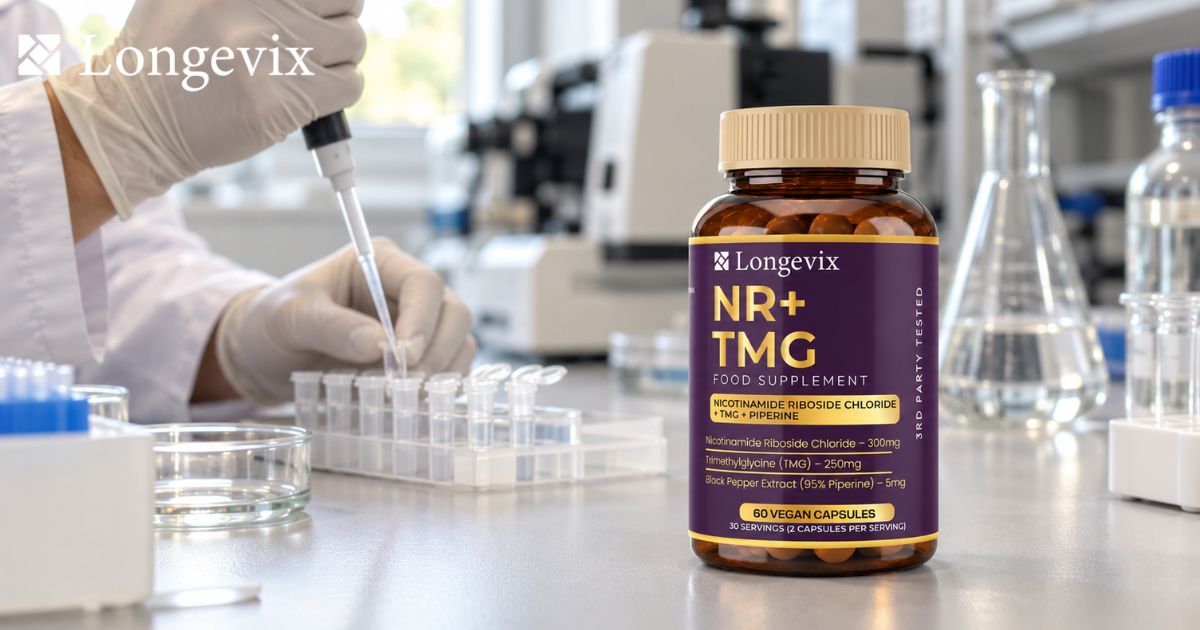
300 mg NR, 250 mg TMG and 5 mg piperine per two capsules |
NAD+ precursor and methyl-donor combination; no proven repair advantage |
|
|
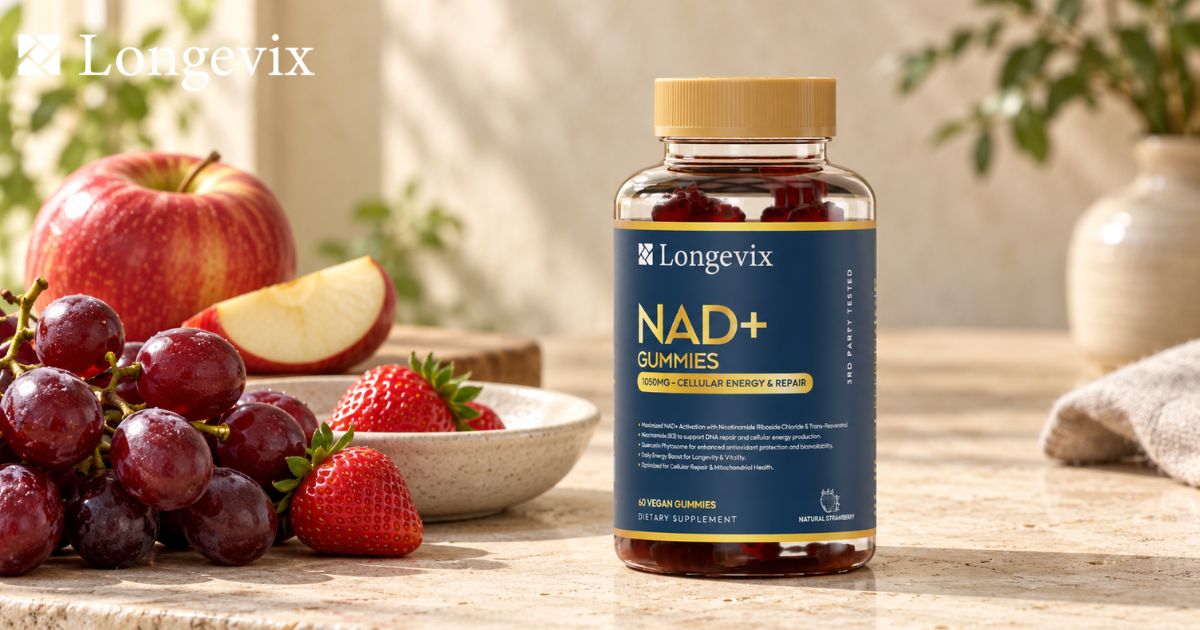
300 mg NR, 250 mg quercetin, 250 mg resveratrol and 250 mg nicotinamide per two gummies |
Multiple research-related compounds; DNA repair benefits remain unproven |
|
|
NR chloride, 1,000mg labelled serving |
NAD+ precursor; labelled serving raises a GB authorisation concern |
|
|
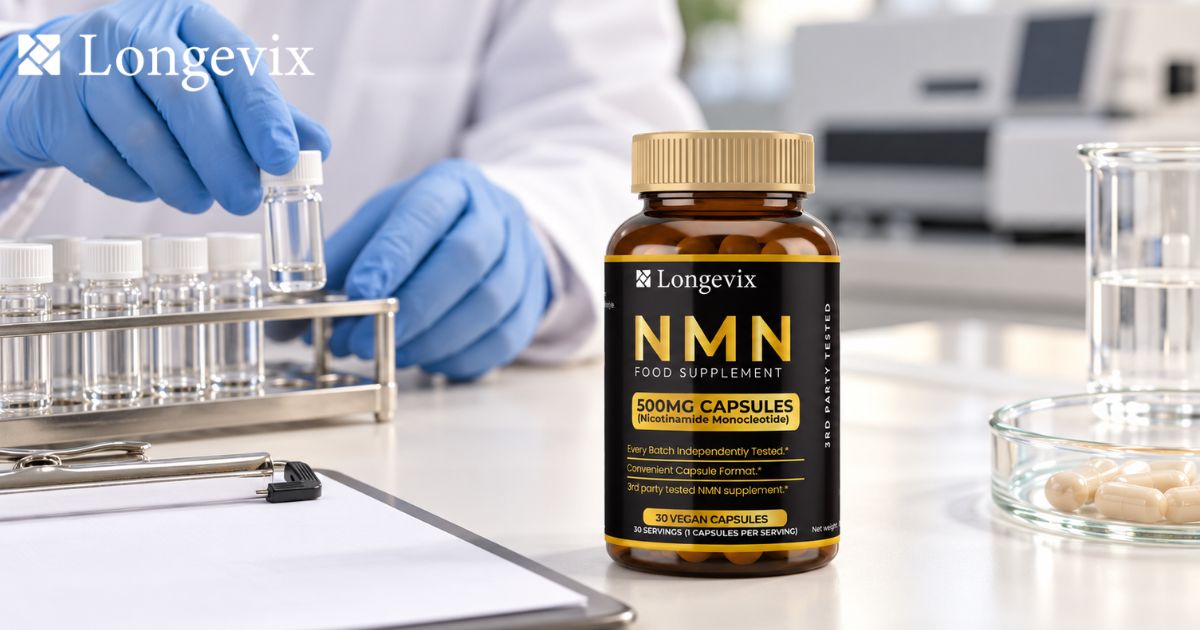
500 mg NMN per capsule |
Investigational NAD+ precursor; GB novel-food authorisation unresolved |
|
| 1,000mg |
Investigational NAD+ precursor; GB novel-food authorisation unresolved |
|
|
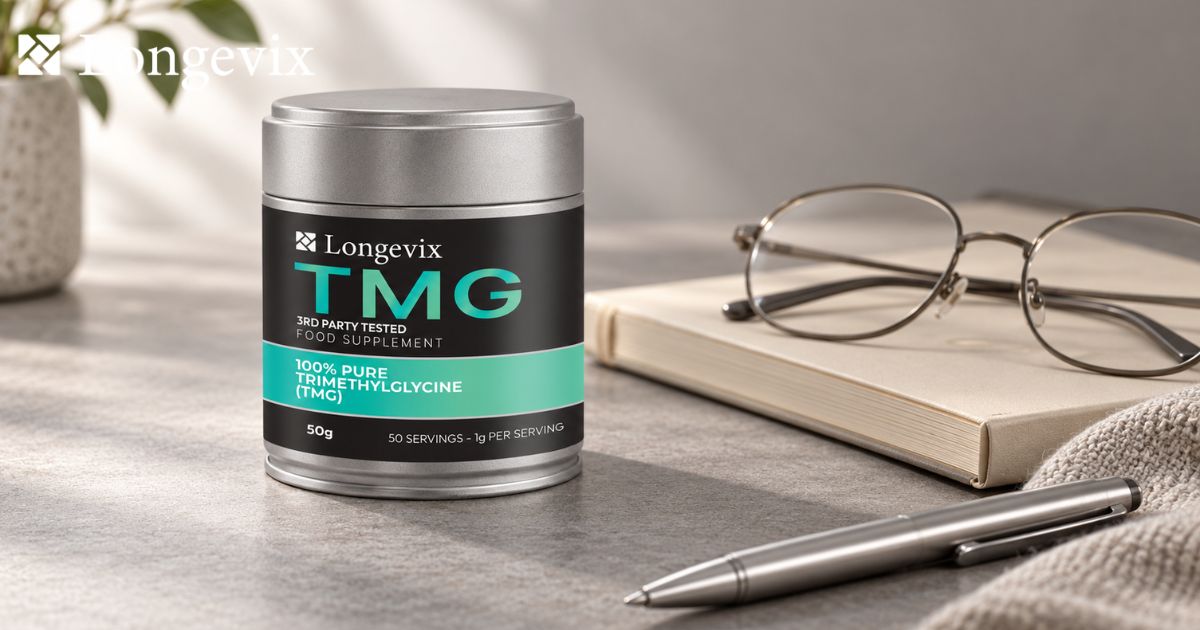
1,000 mg TMG per two scoops |
Methylation-related compound, not a direct DNA repair treatment |
|
|
Creatine, taurine, TMG and B12 |
Connected with energy metabolism and nutrition, not proven DNA repair |
Product formulations reflect the reviewed catalogue. Check current packaging, regulatory suitability and professional advice before use.
Why Is TMG Sometimes Combined With NR?
TMG, also called betaine anhydrous, participates in methylation-related metabolism. Some supplement combinations pair it with NR because NAD metabolism and methylation chemistry are connected. However, this doesn't prove everyone taking NR needs extra TMG. Longevix's guide to taking TMG with NR explores that relationship further.
What About Creatine and Cellular Maintenance?
Creatine helps maintain rapid energy availability through the phosphocreatine system. Its strongest human evidence concerns exercise performance and certain muscle-related outcomes, rather than direct repair of damaged genetic material. Longevix's Creatine Vitality Gummies belong in a different category from NAD+ precursors, despite sharing a broader cellular-health theme.

Foods and Daily Habits That Support DNA Health
Before building an expensive supplement routine, examine your everyday habits. Colourful vegetables, fruit, legumes, whole grains and protein-rich foods provide numerous essential nutrients. These foods contribute to normal cellular function without requiring speculative supplement combinations. Regular movement and adequate sleep also support overall metabolic health and resilience.
Avoidable exposures deserve equal attention. Smoking introduces DNA-damaging chemicals, while excessive ultraviolet radiation increases genetic injury in skin cells. Sunscreen, protective clothing and avoiding tobacco reduce important sources of harm. Supporting healthy ageing often starts by lowering incoming damage rather than trying to compensate afterward with supplements.
A Practical Day of Eating for Cellular Health
Imagine starting with oats, yoghurt and berries. Lunch could include lentils, leafy vegetables and whole grains. Dinner might feature salmon or tofu with roasted vegetables. Nuts and seeds provide convenient snacks. Such meals offer antioxidant nutrients and other essential compounds without relying on one supposedly miraculous ingredient.
Does Better Sleep Improve DNA Repair?
Sleep affects hormonal signalling, metabolism and other systems connected with cellular maintenance. Disrupted sleep has associations with biological stress markers, although proving a direct DNA repair benefit remains difficult. Consistent sleep timing, regular daytime activity and a comfortable sleeping environment offer practical ways to support general health.
Supplement Safety: Important UK and US Differences
Supplement rules differ across countries. In Great Britain, authorised novel foods have specified conditions of use. Nicotinamide riboside chloride has an authorised maximum of 300 mg daily for the general adult population. NMN still has an application undergoing assessment, rather than a completed GB novel-food authorisation.
The United States follows a different dietary supplement framework. The FDA doesn't generally approve supplements for safety or effectiveness before marketing. Requirements may also apply to new dietary ingredients and product claims. US availability isn't proof of safety or effectiveness. Read the FDA dietary supplement guidance for details.
What Should UK Buyers Check Before Using NR or NMN?
Check the ingredient's authorised status, permitted use conditions and total daily exposure. Longevix Pure NR Powder currently lists a 1,000mg labelled serving, exceeding the GB general-adult NR limit. Its NMN products also need regulatory scrutiny. Neither a product listing nor a laboratory report establishes compliance with novel-food legislation.
What Should US Buyers Know About Magnesium Dosing?
Longevix Magnesium Complex provides 375 mg elemental magnesium per labelled serving. The US adult upper limit for magnesium from supplements and medicines is 350 mg daily unless a clinician advises otherwise. Higher intakes may cause diarrhoea or other effects. Kidney problems and medicine interactions make personalised advice particularly important.
Who Should Seek Medical Advice Before Supplementation?
People taking regular medication, managing chronic illness, or receiving cancer treatment should discuss supplements with a qualified professional. The same applies during pregnancy and breastfeeding. Some ingredients may interact with treatment or have insufficient safety evidence. A supplement intended for general wellness isn't a substitute for appropriate medical care.
How to Choose a Quality Supplement Without Hype
A convincing product label should reveal the actual ingredient, serving amount and usage information. Look for appropriate testing documentation, clear allergen information and realistic claims. If a product promises to reverse mutations or restore youthful DNA, question the evidence. Strong biological language can make a formula sound more established than it is.
For most people, a balanced diet and sensible daily habits deserve priority. If a supplement is appropriate, choose one that addresses an identifiable nutritional need. Longevix provides product descriptions and testing documents for selected formulations. However, these records don't prove that supplementation improves human DNA repair.
Why Do Certificates of Analysis Matter?
A Certificate of Analysis can show what a laboratory tested in a particular sample. Depending on its scope, it may report ingredient identity, purity or selected contaminants. Check the product name, batch number and actual tests performed. Longevix's Certificates of Analysis page explains the available documentation and its limits.
What Is the Best Supplement for DNA Repair Overall?
No supplement currently deserves that title on the basis of proven human DNA repair outcomes. Correcting a documented nutrient deficiency offers a more defensible starting point. Magnesium, zinc and B vitamins matter nutritionally, while NAD+ precursors remain investigational for repair benefits. A balanced diet, sensible precautions and realistic expectations offer the strongest foundation.
Frequently asked questions
What supplements help repair damaged DNA?
Several nutrients contribute to normal DNA metabolism and cellular maintenance. However, no supplement has conclusively demonstrated reliable repair of existing DNA damage in humans.
Which vitamin is best for DNA repair?
Folate and vitamin B12 support normal DNA synthesis. Vitamin C and vitamin E participate in antioxidant biology, but no single vitamin has been proven best for repairing damaged DNA.
Does NAD+ help repair DNA?
NAD+ is required by certain enzymes involved in DNA repair signalling. However, taking an NAD+ precursor hasn't been proven to improve human DNA repair outcomes.
Can DNA damage be repaired naturally?
Yes. Your cells continually use specialised repair systems to address many forms of damage. Healthy habits support normal physiology, although some damage may remain or become permanent.
What foods help repair DNA damage?
Vegetables, fruit, legumes, nuts, seeds and protein-rich foods provide nutrients used in DNA metabolism and antioxidant systems. No single food can guarantee repair of existing damage.