Resveratrol continues to gain popularity as adult shoppers seek natural methods of ageing well and remaining active. This natural substance has gained recognition due to its diverse health benefits, particularly in its ability to combat antioxidant damage within the body. Evidence of resveratrol use has been associated with the benefits of improved cardiovascular health, energy balance, and long-term longevity.
What makes it stand out is how it helps the body manage oxidative stress caused by daily life, poor diet, and environmental exposure. By targeting cellular health at the root, resveratrol supports anti-ageing processes rather than masking symptoms. That science-backed approach explains why it has become a key topic in modern wellness discussions.
What is resveratrol?
Hidden inside certain plants, resveratrol acts as a defensive shield. It belongs to a class of compounds known as polyphenols, produced when plants face stress. This natural response explains its powerful antioxidant activity. Inside the body, resveratrol helps neutralise free radicals that damage cells and accelerate ageing. That process reduces oxidative stress, which plays a role in many chronic conditions.
Interestingly, resveratrol exists in two forms. The trans version shows stronger biological activity in humans. That distinction matters because absorption shapes real-world benefits. As a dietary supplement, resveratrol delivers more consistent intake than food alone. This reliability is why more adults are looking into supplements for their health routines, including Longevix, which emphasises purity and science-based formulas.
The Science behind Resveratrol
Science explains why resveratrol feels different from trend-driven supplements. Research shows it activates the SIRT1 gene, often called a longevity switch. This gene regulates energy use, cellular repair, and survival during stress. By influencing these pathways, resveratrol supports anti-ageing processes at a deeper biological level rather than surface effects.

Human trials remain cautious yet promising. Studies suggest benefits for cardiovascular health, glucose metabolism, and brain function. Scientists also note its anti-inflammatory role, which may calm low-grade inflammation linked to ageing. While resveratrol does not cure disease, evidence supports its role as a long-term wellness ally when combined with healthy habits.
Top Evidence-Based Resveratrol Benefits
Heart, Brain, and Metabolic Protection
Few compounds support multiple systems at once. Resveratrol contributes to cardiovascular health by improving blood vessel flexibility. It increases nitric oxide, which helps arteries relax and improves circulation. This mechanism supports cholesterol control by reducing oxidation of LDL cholesterol.
Brain health also benefits. Research links resveratrol to neuroprotection, particularly in ageing adults. Early studies suggest potential relevance for Alzheimer's disease prevention strategies. Metabolically, resveratrol improves insulin sensitivity and supports blood glucose lowering, which may help adults managing type 2 diabetes or metabolic syndrome. Emerging data even explores anticancer properties, including interest in bowel cancer prevention pathways.
Natural sources of Resveratrol
Nature offers resveratrol in modest amounts. Red grapes provide it mainly through their skins. Red wine contains small quantities due to fermentation, though moderation remains essential. Peanuts and berries contribute trace levels but rarely enough for therapeutic impact.
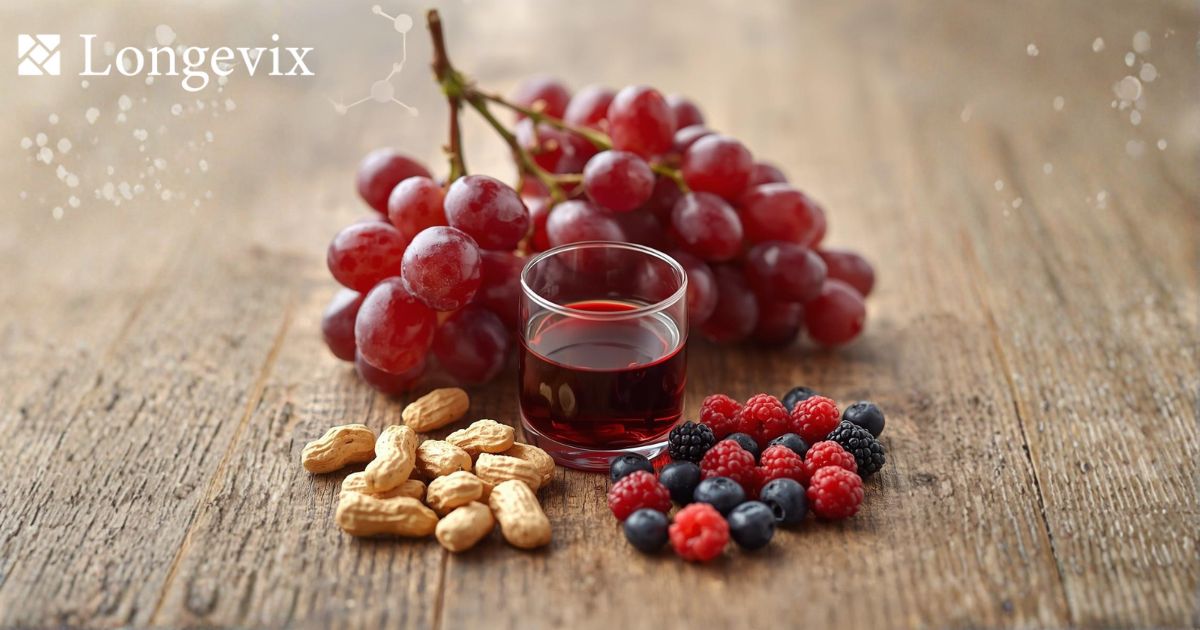
Food sources support general wellness but fall short of research doses. That gap explains growing interest in supplementation. Diet alone rarely achieves concentrations used in clinical trials. A measured dietary supplement allows consistency without excessive calories or alcohol intake.
How much resveratrol should you take daily?
Dosage often determines outcome. Most studies explore daily intakes between 150 and 500 milligrams. Lower doses support general wellness, while higher amounts target metabolic or ageing-related pathways. The body responds better to steady intake rather than occasional spikes.
Below is a simplified overview based on published research ranges.
|
Purpose |
Typical Daily Amount |
|
General wellness |
150–250 mg |
|
Metabolic support |
250–400 mg |
|
Longevity research |
400–500 mg |
Individual needs vary. Age, diet, and health goals all matter.
How & when to take Resveratrol for best results
Timing improves results. Many adults take resveratrol with meals containing healthy fats. This approach improves absorption because resveratrol dissolves better alongside lipids. Morning intake aligns well with metabolic activity, though evening use suits others equally well.

Consistency matters more than timing. Daily use supports stable blood levels and cellular adaptation. Some adults pair resveratrol with an NMN supplement to support complementary longevity pathways. This combination targets energy metabolism and cellular repair together, enhancing long-term wellness routines.
Resveratrol safety, side effects & interactions
Safety remains a priority. Most adults tolerate resveratrol well at standard doses. Mild digestive upset may occur at higher intakes. Because resveratrol affects blood flow, it may enhance the effects of blood-thinning medications.
Resveratrol also influences antioxidant properties within cells. This action supports balance but requires caution before surgery. Clinical reviews emphasise moderation rather than excess. Long-term studies continue, though current evidence supports safe use for most healthy adults.
Who should avoid resveratrol supplements?
Certain groups should pause. Pregnant or breastfeeding individuals should avoid supplementation due to limited safety data. Those with bleeding disorders or upcoming surgery should seek professional advice first.

Hormone-sensitive conditions also warrant caution. While resveratrol supports bone health in ageing adults, it may influence oestrogen pathways. Personalised guidance ensures safety and confidence before starting supplementation.
Choosing the best Resveratrol supplement in the UK
Quality separates effective supplements from weak ones. Look for products containing trans-resveratrol with third-party testing. Purity ensures reliable dosing and avoids contaminants. Capsule or powder form depends on preference, though absorption matters more than format.
Reputable UK brands prioritise transparency. Longevix focuses on clean sourcing and science-backed formulations that meet strict quality standards. Choosing a supplement with verified potency ensures real-world benefits rather than marketing claims.
Final Verdict: Is Resveratrol worth it?
Resveratrol earns attention for good reason. Science supports its role in anti-ageing, metabolic balance, and longevity pathways. It reduces oxidative stress, supports cardiovascular health, and contributes to brain resilience. While not a miracle cure, it strengthens the foundation of healthy ageing.

Adults seeking steady wellness gains often benefit most. Combined with smart nutrition and lifestyle choices, resveratrol offers measurable value. When chosen wisely and used consistently, it becomes a practical tool rather than a passing trend.
Frequently asked questions
What is resveratrol good for?
Resveratrol supports cardiovascular health, cellular protection, and healthy ageing by reducing oxidative damage and inflammation.
What does resveratrol do for the body?
It helps neutralise free radicals, supports metabolic balance, and activates longevity-related pathways linked to cell repair.
Is resveratrol worth taking?
Yes, it can be worthwhile for adults seeking long-term wellness, especially for heart health and anti-ageing support.
What are the negative effects of resveratrol?
High doses may cause mild digestive upset and can interact with blood-thinning medications in some people.
Does resveratrol help with weight loss?
It doesn’t cause direct weight loss but may support metabolism and insulin sensitivity, which can aid weight management.