Resveratrol for men has gained attention among those seeking healthier ageing, better physical resilience, and greater confidence about long-term wellbeing. This natural polyphenol, found in grapes and certain berries, may influence oxidative stress, cellular signalling, and metabolic processes. However, persuasive marketing often stretches the evidence far beyond what researchers have established.
This guide explores what resveratrol may do, what it hasn’t proved, and why individual context matters. You’ll discover how researchers study it in men, where clinical findings conflict, and how it fits into Longevix products. The aim isn’t to sell a miracle. It’s to help you make a measured, evidence-aware decision.
What Is Resveratrol, and Why Are Men Interested in It?
Resveratrol is a plant compound produced during environmental stress, injury, or microbial exposure. Grapes, berries, peanuts, and Japanese knotweed contain varying quantities. Researchers commonly study trans-resveratrol, while supplements may provide more consistent amounts than food. Even so, a measured serving doesn’t guarantee a meaningful biological or practical result.
Men often discover resveratrol while researching heart health, exercise recovery, fertility, metabolism, or age-related change. Calling it a cellular health compound describes its scientific context rather than a proven consumer benefit. Your sleep, nutrition, activity, medicines, and existing health conditions may influence suitability more than age or marketing language.
Natural Resveratrol Versus Supplements
Food usually provides modest and unpredictable quantities. Red wine contains some resveratrol, but alcohol introduces separate risks and isn’t a sensible supplementation strategy. Products offer measured servings, although formulations differ by ingredient form, purity, companion ingredients, and testing. The Longevix guide to resveratrol benefits offers broader background.

Why Resveratrol for Men Over 40 Attracts Attention
For men over 40, slower recovery, changing body composition, or greater awareness of cardiovascular risk may trigger interest. Yet age alone doesn’t establish need. Two men aged 50 may have entirely different fitness levels, medicine routines, glucose control, and health priorities. Your wider circumstances provide the more useful assessment.
How Resveratrol Works Inside the Male Body
Resveratrol interacts with several signalling systems in laboratory research. These include AMPK, nitric oxide pathways, cellular defence responses, and proteins involved in energy regulation. Researchers also investigate SIRT1 activation, although the relationship remains more intricate than popular descriptions of a simple “longevity switch” suggest.

Mechanisms offer useful clues, but they don’t guarantee noticeable results. A compound may change an enzyme inside a test tube without improving strength, fertility, memory, or lifespan in people. Human digestion, rapid metabolism, genetic differences, health status, and tissue exposure create a far more complicated biological environment.
SIRT1 and the Sirtuin Debate
SIRT1 is an NAD+-dependent sirtuin enzyme involved in metabolism and cellular stress responses. Early tests suggested direct activation by resveratrol, although later research found that some results depended on artificial fluorescent substrates. Scientists continue investigating substrate-specific effects, so the direct mechanism remains debated rather than settled. (PubMed)
AMPK and Mitochondrial Signalling
AMPK helps cells detect changing energy conditions. It interacts with SIRT1 and PGC-1α, connecting it with mitochondrial biogenesis, which describes the production and renewal of mitochondrial components. Cellular and animal findings remain interesting, but supplementation hasn’t consistently improved mitochondrial performance, endurance, or daily energy in human studies.
Resveratrol and Calorie-Restriction Biology
Researchers sometimes describe resveratrol as a caloric restriction mimetic because certain pathways overlap with responses to lower energy intake. The comparison needs restraint. Taking resveratrol doesn’t reproduce sustained calorie reduction, weight loss, dietary improvement, or exercise. It resembles a small section of the biochemical map rather than the complete journey.
Oxidative Stress and Longevity Pathways
Reactive molecules form during ordinary metabolism, exercise, inflammation, and environmental exposure. Difficulties arise when cellular defences cannot keep pace. Resveratrol may influence antioxidant signalling and proposed longevity pathways, but these mechanisms haven’t proved that supplementation reverses ageing or extends human lifespan.
Resveratrol for Men: What Human Studies Actually Show
Reliable conclusions require properly controlled human trials, not only animal experiments or laboratory models. Strong studies compare resveratrol with a placebo, measure clinically meaningful outcomes, and record unwanted effects. Even then, participant health, serving amount, duration, formulation, and sample size may substantially alter the findings.
The overall evidence remains mixed. Some studies report changes in vascular or metabolic measurements, while others find little meaningful improvement. Therefore, resveratrol supplementation may produce different results in healthy adults, men with metabolic syndrome, older people, and those managing diabetes. One study cannot represent every population.

Case Study: Four Weeks in Men With Obesity
In one randomised trial, men with obesity received 1,500 mg daily for four weeks. Researchers found no meaningful improvement in insulin sensitivity, energy expenditure, fat oxidation, blood pressure, or several inflammatory outcomes. The trial was short, but it challenges the assumption that a larger serving automatically produces stronger benefits.
Why Resveratrol Studies Reach Different Conclusions
Research designs vary considerably. Some trials last several days, while others continue for months. Participants may be healthy, overweight, diabetic, physically inactive, or older. Researchers also measure different endpoints. A change in one laboratory biomarker doesn’t necessarily mean that you feel better, function better, or face less disease risk.
What the Human Evidence Currently Suggests
The table separates research signals from conclusions that scientists haven’t established. It doesn’t portray resveratrol as universally useful or useless. Instead, it shows why participant health and study design matter.
|
Research area |
What some studies suggest |
What remains unproven |
|
Glucose regulation |
Selected benefits in some diabetic populations |
Reliable improvement in healthy men |
|
Vascular function |
Changes in certain endothelial measurements |
Prevention of heart attacks or strokes |
|
Exercise |
Outcomes vary by age and training design |
Consistent performance enhancement |
|
Testosterone |
A controlled male trial found no increase |
A testosterone-boosting effect |
|
Fertility |
Preliminary combination-product evidence |
Treatment of male infertility |
|
Lifespan |
Active laboratory and animal research |
Longer human life |
Heart, Circulation and Metabolic Health in Men
Resveratrol studies often measure cardiovascular markers, including endothelial function, arterial stiffness, cholesterol-related measurements, and pressure. These outcomes help researchers investigate vascular biology. However, a small change in one surrogate marker doesn’t prove that a supplement prevents heart attacks, strokes, or cardiovascular death.
Metabolic research examines glucose handling, insulin resistance, and inflammation. Reviews have found possible benefits in certain people with type 2 diabetes, while results in healthier populations remain less consistent. Resveratrol may influence anti-inflammatory signalling under specific conditions, but it isn’t a treatment for diabetes, hypertension, or cardiovascular disease.
Blood-Vessel Function and Blood Pressure
The endothelium lines blood vessels and helps regulate dilation. Resveratrol may influence nitric oxide signalling, which explains scientific interest in circulation. However, effects on blood pressure vary across studies. Anyone with hypertension should continue prescribed care rather than replacing monitoring, medicine, diet, or exercise with a supplement.
Fasting Glucose and Metabolic Function
Some meta-analyses report improvements in fasting glucose and insulin-related outcomes among people with diabetes. Other reviews find smaller or neutral effects, particularly in people without diabetes. This inconsistency shows why metabolic function cannot be reduced to one compound, one favourable biomarker, or one research paper.
LDL Oxidation and Inflammatory Markers
Researchers investigate whether resveratrol influences LDL oxidation, which differs from reducing the amount of LDL cholesterol in your blood. Studies also measure CRP and other inflammatory markers. These measurements can reveal biological activity, but they don’t establish protection from disease without longer trials examining meaningful clinical outcomes.
For more focused information, read the Longevix guide to resveratrol, weight loss, and metabolism. It explores weight-related search questions separately, helping this article remain focused on male health and ageing.
Exercise, Muscle and Physical Performance
Exercise temporarily increases physiological stress. That signal helps your body adapt, repair, and become more capable. Antioxidants may sound helpful after every workout, but reducing every stress signal isn’t necessarily desirable. Some resveratrol studies suggest possible support, while others raise concerns about weakened training adaptations.
Research involving older adults remains inconsistent. Participant fitness, health, supplement amounts, and exercise programmes vary widely. Consequently, resveratrol shouldn’t be presented as a dependable performance enhancer. Progressive training, sufficient protein, appropriate recovery, and regular sleep provide a much stronger foundation for preserving physical ability.
Case Study: Older Men Completing Exercise Training
A controlled study followed physically inactive men aged 60–72 during eight weeks of exercise. Participants received either 250 mg of resveratrol or placebo. Exercise improved several outcomes, but resveratrol didn’t add metabolic benefits and appeared to weaken some cardiovascular adaptations. The result doesn’t prove universal harm, though it challenges automatic assumptions. (PubMed)
Can Resveratrol Improve Strength or Endurance?
Physical performance includes strength, walking capacity, oxygen use, fatigue, and perceived recovery. These outcomes aren’t interchangeable. Current studies haven’t shown dependable improvement across them. A compound may influence a cellular measurement without helping you lift more weight, complete a longer run, or recover faster between demanding sessions.
Exercise Still Carries the Stronger Evidence
Regular resistance training helps preserve strength and function as you age. Aerobic movement supports cardiovascular fitness, while adequate dietary protein assists muscle maintenance. Resveratrol cannot recreate these combined effects. Consider it a research ingredient rather than an exercise substitute wearing a convincing laboratory coat.
Testosterone, Fertility and Sexual Health: What Is Proven?
Online discussions frequently connect resveratrol with testosterone, sperm health, and sexual performance. Yet these are separate outcomes involving different biological systems. Higher hormone concentrations don’t automatically improve fertility, while improved circulation doesn’t guarantee better sexual function. Combining these questions into one promise creates attractive marketing but weakens scientific accuracy.
Current evidence in men remains limited. Resveratrol hasn’t proved that it raises hormones, treats infertility, or resolves erectile dysfunction. Laboratory findings explain why scientists remain interested, but persistent reproductive or sexual symptoms need proper assessment. Vascular disease, diabetes, medicines, hormonal conditions, stress, and psychological factors may all contribute.
Does Resveratrol Increase Testosterone Levels?
A four-month randomised trial studied men with metabolic syndrome who received 150 mg, 1,000 mg, or placebo daily. Neither amount significantly increased testosterone levels, free testosterone, or dihydrotestosterone. The higher amount reduced several androgen precursors, making “testosterone booster” claims particularly misleading. (PubMed)
Resveratrol and Male Fertility
Animal and cellular research suggests possible effects on antioxidant defences, sperm development, and testicular signalling. Human evidence remains sparse. One pilot study reported improved sperm measurements after a resveratrol-based multivitamin, but several ingredients appeared in the formula. Therefore, researchers couldn’t attribute the results to resveratrol alone. (PubMed)
Can Resveratrol Help With Erectile Dysfunction?
A small pilot trial studied trans-resveratrol combined with L-citrulline in men already using erectile-dysfunction medicine. The combination improved one questionnaire measurement, but it didn’t test resveratrol alone. Current evidence therefore cannot establish resveratrol as an independent treatment for erectile dysfunction. (PubMed)
Bioavailability: Why Resveratrol Absorption Matters
Resveratrol can be absorbed from the digestive tract, yet the body rapidly converts much of it into sulfate and glucuronide metabolites. Consequently, unchanged resveratrol reaches the bloodstream in relatively small quantities. This gap between absorption and circulating exposure explains why bioavailability remains central to resveratrol research. (PubMed)
A higher number on a product label doesn’t necessarily create proportionally greater tissue exposure. Digestion, liver metabolism, formulation, meal composition, and individual biology may change pharmacokinetic results. More importantly, greater blood exposure doesn’t automatically produce better health outcomes. Improved delivery and proven clinical benefit answer two different questions.
What Happens After You Swallow Resveratrol?
After absorption, enzymes in the intestine and liver attach chemical groups that help transport and eliminate resveratrol. Some metabolites may remain biologically active, although researchers haven’t mapped every effect. Think of the process like customs control: the compound enters, but much of the original package changes before travelling further.
Does Micronised Resveratrol Solve the Problem?
Manufacturers may offer micronised resveratrol, liposomal systems, nanoparticles, or other enhanced-delivery formats. Certain formulations increase blood exposure in pharmacokinetic studies. However, better absorption doesn’t prove stronger practical outcomes. Product-specific trials must show whether the improvement changes health, performance, tolerability, or another result that genuinely matters.
Does Quercetin Increase Resveratrol Absorption?
Quercetin often appears alongside resveratrol because both are plant polyphenols with overlapping research pathways. Scientists have proposed that quercetin might influence resveratrol metabolism. However, combining them doesn’t prove superior absorption, enhanced effectiveness, or clinical synergy. Direct research on the finished formula would need to establish those effects.
Dosage, Timing and Realistic Expectations
No universal daily resveratrol amount exists for men. Clinical studies use widely different quantities because they investigate different populations and outcomes. A serving selected for an experimental trial shouldn’t become personal advice copied from an abstract, podcast, or competitor’s product description.
More isn’t automatically better. Larger amounts may increase digestive discomfort, cost, and interaction concerns without improving outcomes. Follow the physical product label rather than combining instructions from unrelated supplements. When you take medicine or manage a health condition, seek advice from an appropriately qualified healthcare professional.
Resveratrol Amounts Used in Human Research
The table illustrates why one “clinical dose” cannot represent every use. Each study involved a particular population, duration, and research objective.
|
Study context |
Daily resveratrol amount |
Duration |
Main outcome |
|
Men with obesity |
1,500 mg |
Four weeks |
No meaningful metabolic improvement |
|
Older exercising men |
250 mg |
Eight weeks |
Some exercise adaptations appeared weaker |
|
Men with metabolic syndrome |
150 mg or 1,000 mg |
Four months |
No testosterone increase |
|
Short safety study |
500 mg–5 g |
29 days |
Digestive symptoms increased at 2.5 g and 5 g |
These amounts describe research protocols rather than recommended everyday servings. The high-dose safety study reported mild to moderate gastrointestinal symptoms at 2.5 g and 5 g daily. (PubMed)
Should You Take Resveratrol in the Morning or Evening?
Research hasn’t identified one universally superior time. Morning use may fit a breakfast routine, while evening use may feel more convenient for someone else. Consistency and label compliance matter more than chasing a fashionable hour, especially when a product contains several active ingredients rather than resveratrol alone.
Should You Take Resveratrol With Food?
Meals may affect absorption and digestive tolerance, but evidence doesn’t support one rule for every formulation. Capsules, powders, gummies, and enhanced-delivery systems behave differently. Follow the directions for the exact product you use rather than transferring food advice from an unrelated supplement or research protocol.
How Long Does Resveratrol Take to Work?
Resveratrol doesn’t produce a predictable sensation like caffeine. You may notice nothing, even if a laboratory marker changes. Trials usually assess outcomes after weeks or months. Sleep, exercise, stress, diet, expectations, and unrelated health changes can also affect how you feel, making informal self-testing unreliable.
Resveratrol Safety, Side Effects and Interactions
Short-term studies generally report reasonable tolerance at the quantities examined. However, digestive effects such as nausea, abdominal discomfort, loose stools, and diarrhoea become more common at larger amounts. Short trials can identify immediate issues, but they cannot establish lifelong safety across every medicine, health condition, and age group.
Resveratrol may also influence platelet activity and drug-metabolising pathways. The clinical importance of many proposed interactions remains uncertain, which calls for caution rather than alarm. “Natural” only describes the compound’s origin. It doesn’t guarantee compatibility with prescriptions, planned surgery, or complex supplement combinations.
Digestive Side Effects and Larger Amounts
A repeat-dose study examined amounts ranging from 500 mg to 5 g daily for 29 days. Mild to moderate gastrointestinal symptoms occurred more often at 2.5 g and 5 g. Those levels greatly exceed the resveratrol amount in Longevix gummies, but the study shows that tolerability may change as exposure rises.
Medicines and Medical Supervision
Great Britain’s authorised trans-resveratrol conditions require supplement labels to state that medicine users should consume the product only under medical supervision. People taking anticoagulants, antiplatelet medicines, diabetes treatments, or several prescriptions should show the complete label to a doctor or pharmacist. (Food Standards Agency)

Surgery and Existing Health Conditions
Tell your medical team about every supplement before a planned procedure. Professional advice also matters when you manage liver, kidney, cardiovascular, metabolic, bleeding, or hormone-related conditions. Unexpected bruising, severe digestive symptoms, breathing difficulties, swelling, or rapidly worsening problems require assessment rather than another supplement experiment.
UK and US Health-Claim Rules
UK guidance prohibits claims that a food or supplement treats, prevents, or cures disease. US rules permit substantiated structure-and-function claims, but they don’t allow supplements to masquerade as medicines. These boundaries matter when discussing diabetes, erectile dysfunction, infertility, cardiovascular disease, or hormonal disorders. (GOV.UK) (FDA)
For broader formula-specific safety information, read NAD+ Gummies Side Effects: Feel Confident, Choose Wisely. That guide examines the complete four-ingredient product rather than discussing trans-resveratrol in isolation.
How Resveratrol Fits into Longevix NAD+ Support Gummies
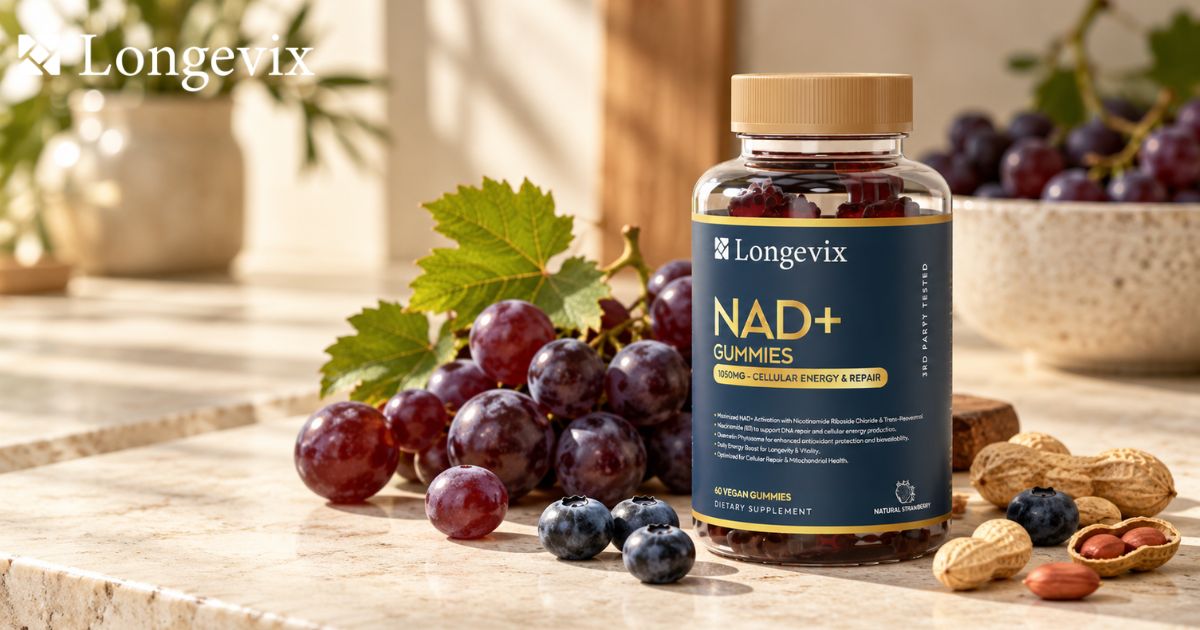
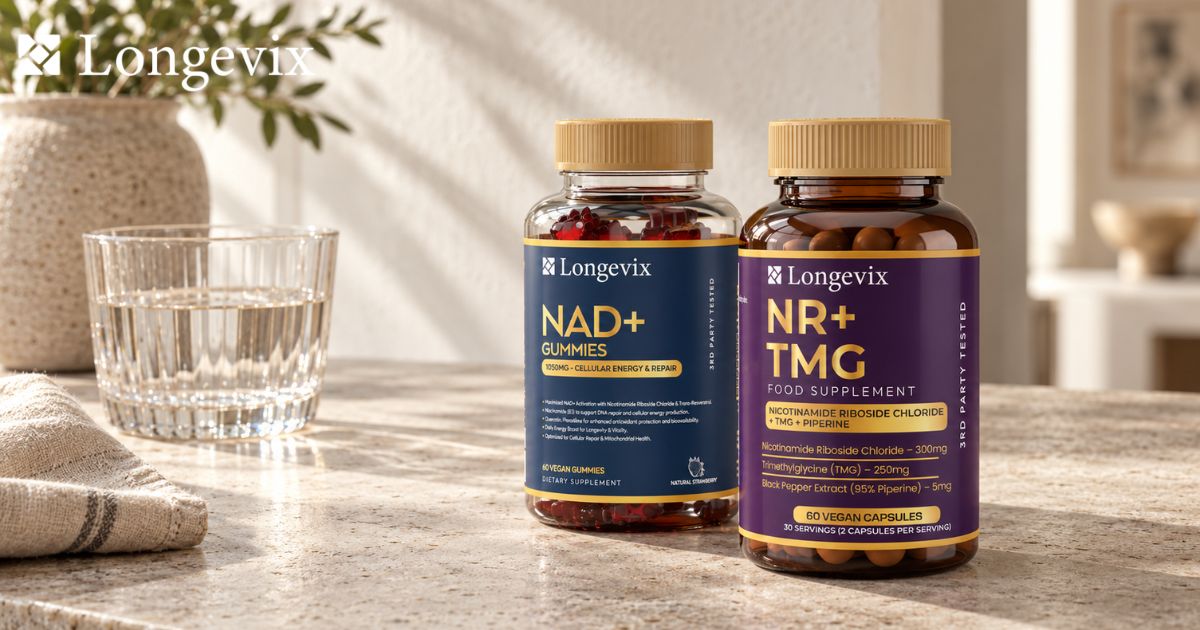
Longevix NAD+ Support Gummies are a combined formula rather than a pure resveratrol supplement. The current two-gummy serving contains 300 mg nicotinamide riboside, 250 mg quercetin, 250 mg trans-resveratrol, and 250 mg nicotinamide. Each bottle provides 60 gummies and 30 labelled servings.

These ingredients connect with different areas of cellular research. NR and nicotinamide participate in NAD-related pathways, while resveratrol and quercetin are polyphenols. However, combining them doesn’t prove improved absorption, stronger NAD+ availability, or better health outcomes. Only direct trials on the finished formula could establish product-specific effects.
Current Longevix Formula at a Glance
The table reflects the live product page at the time of review. Always compare online information with the physical label because ingredients, directions, allergens, and supporting documents can change.
|
Labelled active ingredient |
Amount per two gummies |
Accurate context |
|
Nicotinamide riboside |
300 mg |
An NAD+ precursor ingredient |
|
Quercetin |
250 mg |
A plant flavonoid |
|
Trans-resveratrol |
250 mg |
The resveratrol form commonly studied |
|
Nicotinamide |
250 mg |
A form of vitamin B3 |
The current directions state that adults should take two gummies daily while following the complete product label.
Resveratrol and NAD+ Aren’t the Same
Resveratrol isn’t NAD+, and it isn’t an NAD+ precursor in the same manner as nicotinamide riboside. Researchers discuss them together because NAD-dependent enzymes participate in metabolic and cellular stress signalling. This relationship provides scientific context, but it doesn’t prove that resveratrol raises NR conversion or extends lifespan.
Why Ingredient Overlap Matters
Someone already taking separate resveratrol, quercetin, NR, nicotinamide, or another vitamin B3 product could unintentionally duplicate ingredients. Calculate your complete daily intake across every supplement. A gummy may simplify swallowing, yet a broad formula can make dosage and tolerance tracking more complicated.
Testing Documents and Batch Matching
Longevix provides an available testing document through its Certificates of Analysis page. Match the document with the exact product and batch printed on your packaging. One report doesn’t automatically verify every later batch, while each laboratory method supports only the characteristics it actually measures.
The Evidence-Based Bottom Line
Resveratrol remains scientifically interesting because researchers study its relationship with metabolic, vascular, and stress-response pathways. However, male clinical evidence remains inconsistent. It hasn’t proved age reversal, higher testosterone, improved fertility, reliable exercise enhancement, or longer life. Healthy ageing still depends mainly on movement, sleep, nutrition, screening, and appropriate medical care.
Frequently asked questions
Does Resveratrol Increase Testosterone?
Current controlled evidence doesn’t show a reliable testosterone increase. A four-month trial involving men with metabolic syndrome found no significant change in testosterone, free testosterone, or dihydrotestosterone. Therefore, resveratrol shouldn’t be described as a proven testosterone booster.
Can Resveratrol Help With Erectile Dysfunction?
Evidence remains preliminary. A small study found improvement from resveratrol combined with L-citrulline alongside existing erectile-dysfunction medicine. Because the trial used several interventions together, it couldn’t show that resveratrol works independently. Persistent erectile problems deserve professional assessment.
Is Resveratrol Good for Men Over 40?
Resveratrol may interest men over 40 because of ongoing metabolic and healthy-ageing research. However, age doesn’t predict benefit or suitability. Your medicine use, cardiovascular health, glucose control, diet, activity, and personal goals provide a better basis for evaluating any supplement.
What Are the Side Effects of Resveratrol for Men?
Reported effects mainly involve digestive discomfort, including nausea, abdominal symptoms, loose stools, and diarrhoea at larger amounts. Medicine interactions also require consideration. Seek professional guidance when you take prescriptions, manage a health condition, or plan a medical procedure.
How Much Resveratrol Should a Man Take Daily?
No universal daily amount has been established for every man. Follow the exact product label and don’t copy high research doses. Longevix currently provides 250 mg of trans-resveratrol within its complete two-gummy daily serving, alongside three other active ingredients.