The best exercise for longevity is rarely the hardest or trendiest workout. Instead, it’s the kind of movement you can sustain for years without burnout or injury. Research consistently shows that long life depends more on consistency than intensity. Simple habits like aerobic exercise, light strength training, gentle flexibility workouts, and basic balance exercises work together to support healthy ageing.
These movements protect the heart, preserve muscle, and keep joints mobile as the years pass. When exercise fits naturally into daily life, it strengthens the body quietly and steadily. That steady rhythm, not extreme effort, is what truly supports a longer, healthier life.
Can Exercise Really Increase Lifespan?
Movement changes how the body ages. Regular activity improves cardiovascular health, lowers chronic inflammation, and stabilises blood sugar. These changes reduce the risk of heart disease, diabetes, and early death. Large population studies consistently show that active adults live longer than inactive ones, even when genetics are not ideal.
What matters most is consistency. Moderate movement practised for years outperforms intense training done briefly. Researchers often highlight moderate aerobic activity because it supports organs without exhausting them. Exercise also preserves independence. Being able to walk, lift, and balance later in life often matters more than adding extra years alone.
What Science Says About Exercise and Longevity
Science connects exercise with longer life through multiple pathways. Physical activity improves insulin sensitivity and reduces visceral fat. Both factors strongly predict survival. Exercise also increases heart rate variability, a marker linked to nervous system balance and resilience. Higher variability often signals better stress control and longevity.
A UK Biobank study involving over 500,000 adults found that moderate activity reduced mortality risk by up to 30 percent. Similar findings appear in US data from the CDC. Researchers emphasise aerobic exercise combined with muscle work. Together, they protect the heart, brain, and metabolism more effectively than either alone.

The Most Overlooked Exercise for Longevity
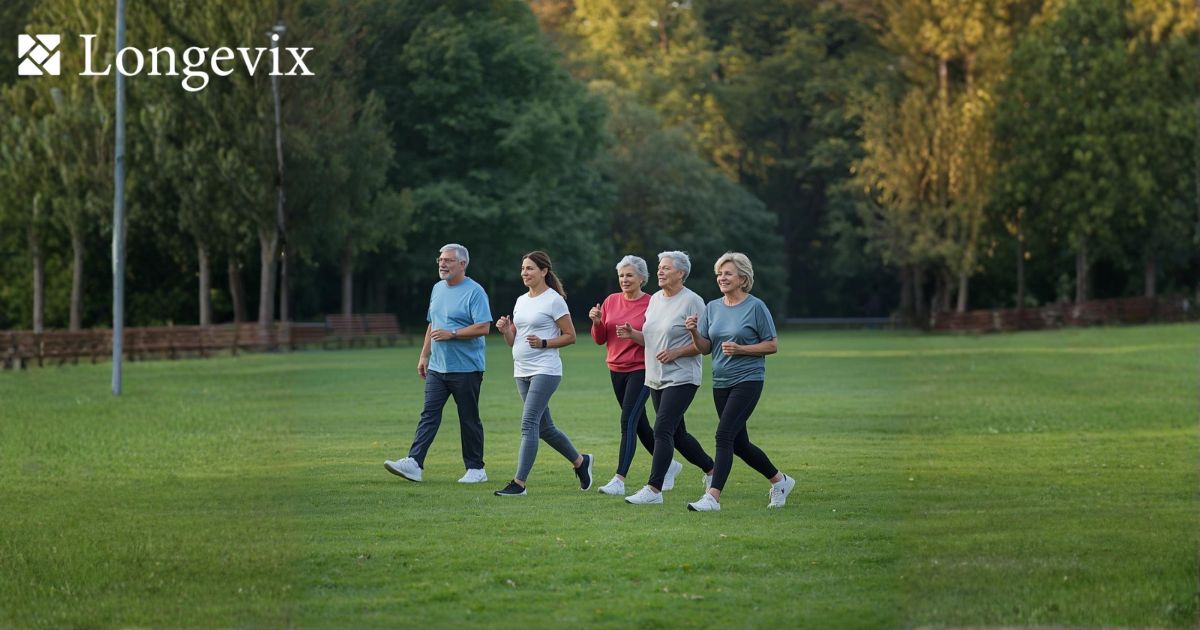
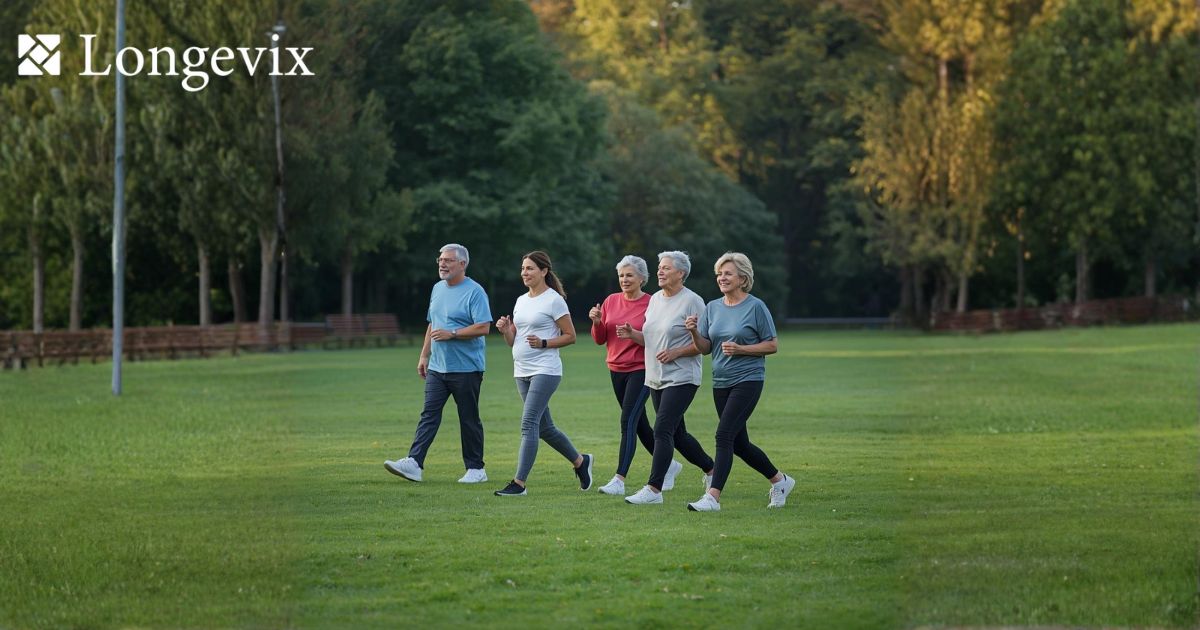
Walking at an easy but steady pace often gets dismissed. Yet it may be the most powerful longevity tool available. Walking supports Zone 2 cardio, where the body burns fat efficiently and strengthens mitochondria. This zone improves endurance without stressing joints or hormones.
Longevity experts favour walking because it is repeatable. It also supports mindfulness, especially when done outdoors. Blue Zones populations walk daily without calling it exercise. These Blue Zones habits quietly support long life through movement woven into normal routines.
Cardio vs Strength Training: Which Is Better for Living Longer?
The debate misses the point. Longevity thrives on balance. Cardio protects the heart and lungs. Strength protects muscles and bones. Removing either weakens the system. Studies show lower death rates when both are practised weekly.
Cardio supports circulation and oxygen delivery. Strength preserves independence and posture. Functional movements such as squatting and carrying groceries matter deeply with age. A blended approach supports resilience. That resilience determines how well the body adapts to stress over time.

Benefits of Cardio Exercise for Longevity
Cardio keeps blood vessels flexible and responsive. This reduces blood pressure and supports brain health. Over time, regular cardio lowers the risk of stroke and dementia. It also improves sleep quality, which directly affects ageing.
Sustained cardio improves cardiovascular health and mitochondrial efficiency. Zone 2 cardio stands out for longevity because it improves endurance without chronic inflammation. Activities like brisk walking or cycling fit this zone well and are easier to maintain for decades.
Why Strength Training Is Critical As You Age
Muscle loss begins earlier than most expect. Without intervention, strength declines every decade. Muscle mass maintenance protects metabolism and balance. It also supports glucose control and injury prevention.
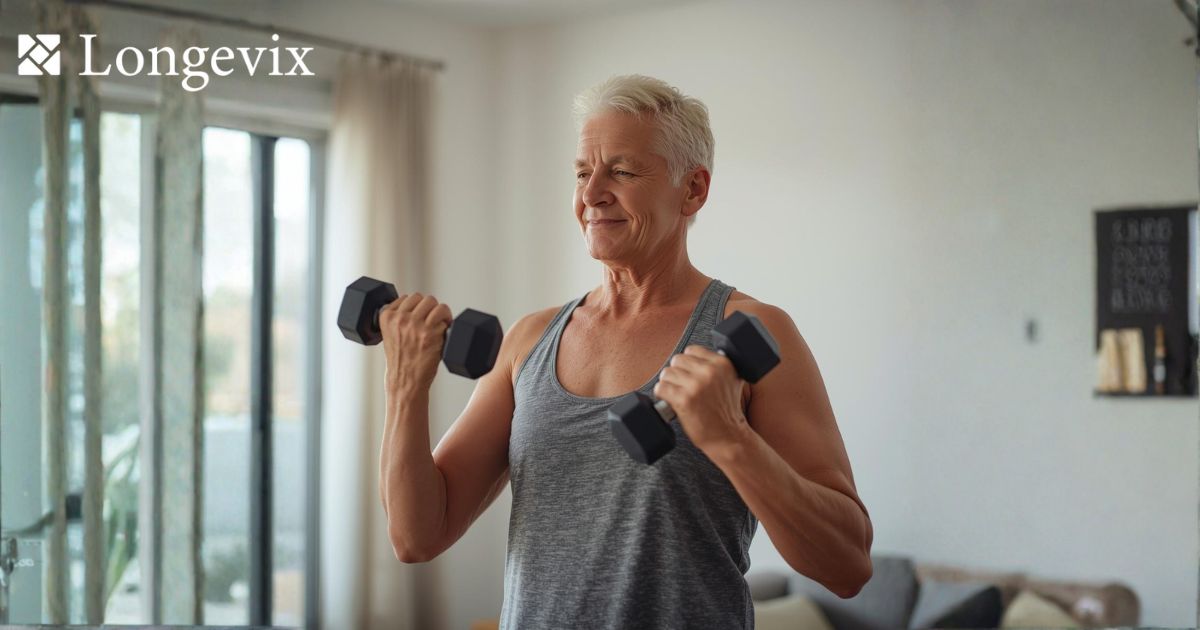
Strength work also improves bones. Resistance creates signals that trigger bone density improvement. This lowers fracture risk and supports osteoporosis reduction. Even light weights or resistance band training can drive sarcopenia prevention when done consistently.
How Much Exercise Do You Really Need for Longevity?
Longevity does not require extreme schedules. Research suggests 150 to 300 minutes of weekly movement offers strong protection. The weekly movement includes walking, light cardio, and muscle work. Short daily sessions often work better than long weekend efforts.
The key is sustainability. Mixing aerobic exercise, strength training, and mobility training covers most needs. Recovery matters too. Rest days allow tissues to adapt. Long life favours rhythms, not exhaustion.
Can Too Much Exercise Be Harmful for Longevity?
Excessive training stresses hormones and joints. Endurance extremes can elevate inflammation and suppress immunity. Some studies link chronic overtraining with heart rhythm issues later in life.
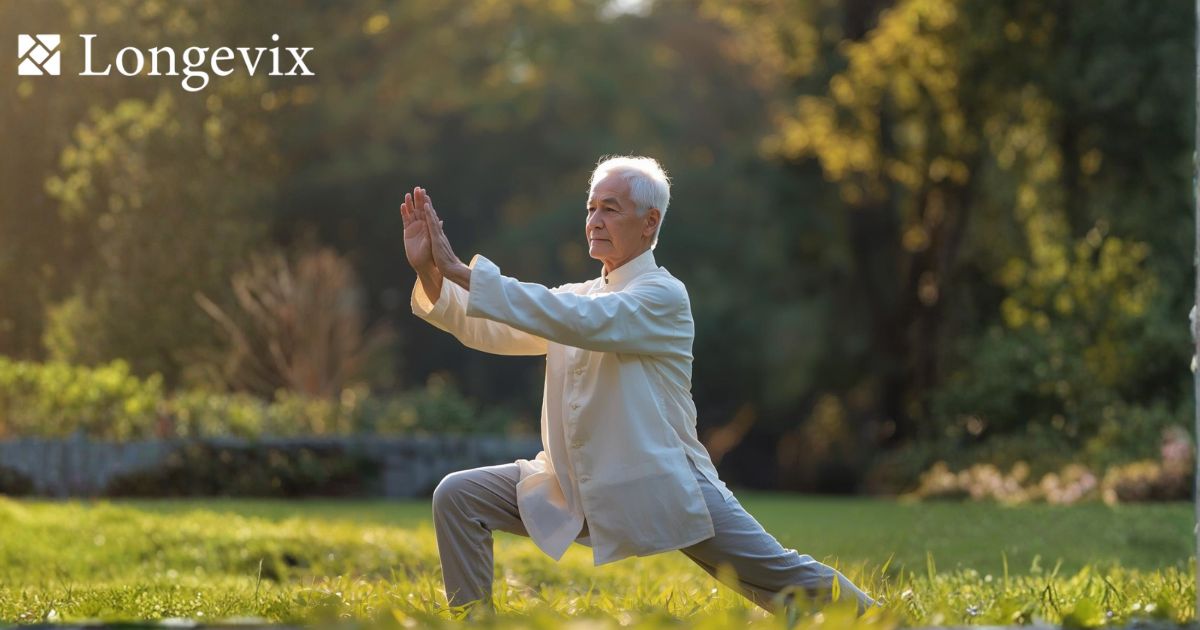
Balance protects longevity. The body thrives on challenge followed by recovery. Gentle flexibility workouts like yoga stretches or Tai Chi practice support repair. These practices improve balance, breathing, and nervous system health without strain.
Simple Ways to Become More Active in Daily Life
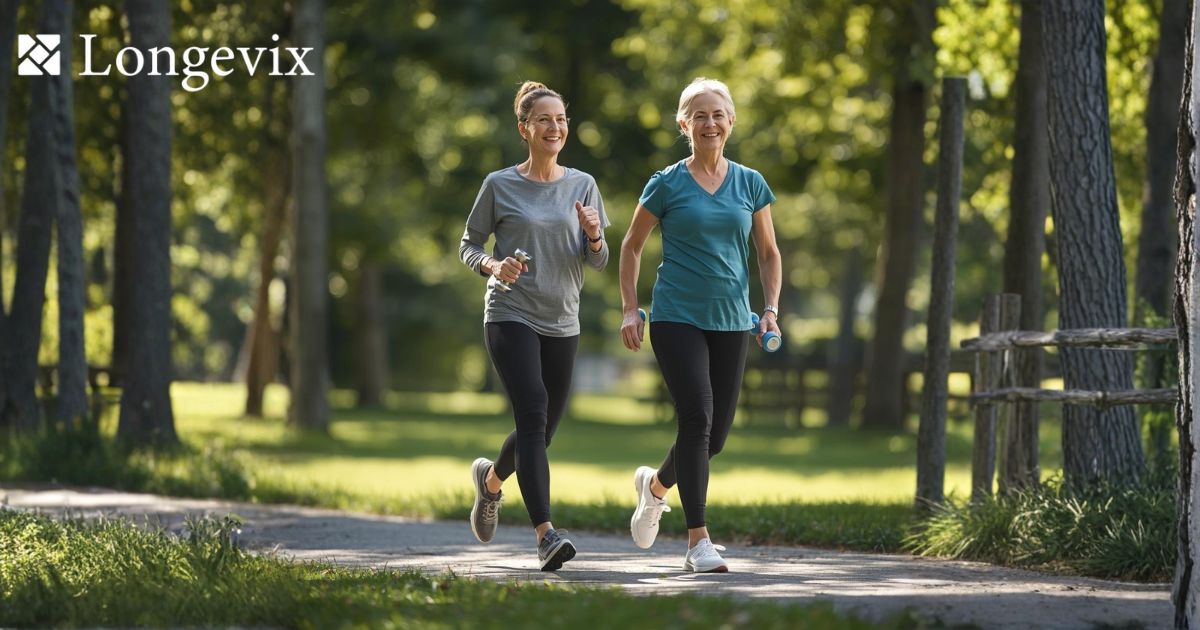
The longevity movement hides in daily habits. Walking while talking, standing more often, or doing light chores all add up. Gardening routines improve strength, coordination, and mood. These activities count for more than many realise.
Social movement also matters. Social physical activities like group walks improve adherence and mental health. These habits mirror long-lived cultures. They support both body and mind, reinforcing healthy ageing through connection.
The Best Weekly Longevity Workout Routine
A sustainable routine blends walking, light strength, and mobility. Walking several days weekly supports aerobic exercise. Two short strength sessions preserve muscle and bone. Gentle stretching maintains joint range.
Below is an example structure used in longevity research.
|
Focus Area |
Purpose for Longevity |
|
Walking |
Supports Zone 2 cardio and metabolism |
|
Strength work |
Enhances Muscle mass maintenance |
|
Mobility |
Improves posture and movement |
|
Balance |
Reduces fall risk |
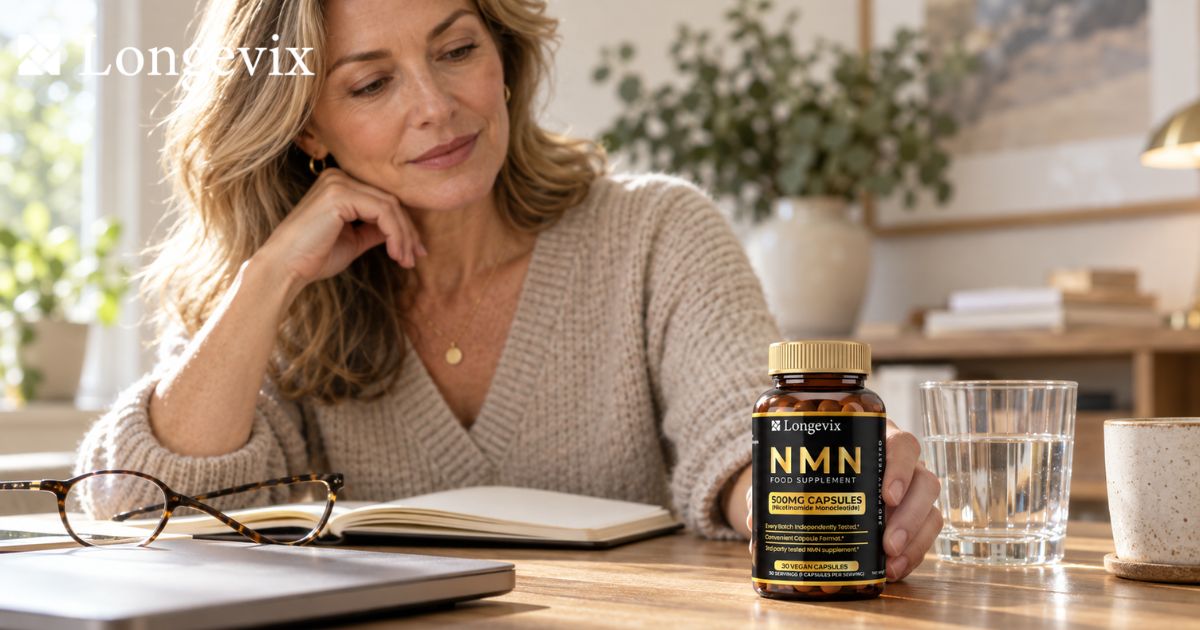
Supplements may support this foundation. Brands like Longevix focus on cellular health. Some adults explore NMN supplements for energy metabolism. Emerging research highlights potential NMN benefits, though movement remains the foundation.
Final Thoughts: The Longevity Mindset Most People Miss
Longevity favours those who think long-term. Exercise should feel supportive, not punishing. The overlooked secret is enjoyment. When movement fits daily life, it lasts. That consistency builds a quiet life expectancy boost over decades.
Longevity experts often repeat a simple truth. “Move often. Rest well. Stay connected.” This mirrors Blue Zones habits across the world. When exercise supports life instead of competing with it, the body rewards that patience.
Further Reading and Source Context
These external resources provide background or regulatory context. They do not prove that a particular Longevix product produces the health outcomes discussed above.
Frequently asked questions
What is the number 1 exercise for longevity?
Walking at a steady pace is often considered the number one exercise for longevity because it is safe, sustainable, and strongly linked to longer life.
What form of exercise is best for longevity?
A mix of aerobic exercise, strength training, mobility, and balance work provides the greatest longevity benefits.
How much exercise for longevity?
About 150 to 300 minutes of moderate activity per week is enough to support long-term health and lifespan.
Is walking the best exercise for longevity?
Yes, walking is one of the best exercises for longevity because it improves cardiovascular health with low injury risk.
What is the best exercise to live longer?
The best exercise to live longer is the one you can do consistently for years without strain or burnout.