
Intermittent fasting involves alternating between periods of eating and fasting. Some people use it to structure their meals or manage calorie intake, while researchers continue to study its effects on metabolic health and long-term outcomes.
Creatine is a separate topic. It plays a role in the body's rapid energy system and is widely studied in exercise nutrition. However, creatine gummies may contain calories or other ingredients that affect fasting rules. This guide compares gummies with plain creatine powder, explains what research shows and outlines what to check on the product label.
The Connection Between Intermittent Fasting and Longevity
Intermittent fasting and longevity tend to work like two cogs in one wheel. By minimising eating periods, you put your body into a state of caloric restriction, which is more supportive of biological ageing outcomes. This change triggers repair mechanisms that reduce oxidative stress and increase cellular resilience. This process makes your body efficient with time. A significant number of scientists think that fasting is a replica of ancient human survival mechanisms, which were self-sustaining in terms of longevity and metabolic power.
Remarkably, fasting does not only strive to diminish calories. It causes a metabolic change in burning glucose to fat. This transition enhances insulin sensitivity and triggers nutrient-sensing pathways, which affect ageing. This leads to an increase in the flexibility of the body. Most individuals do not only fast but also add stress reduction strategies and positive psychology habits to enhance the outcomes. Combined, these lead to a discernible decreased risk of diseases and potential changes in metabolic health markers.
What Is Intermittent Fasting? Understanding the Most Popular Methods
Intermittent fasting is a set of eating habits and not a diet. A time-restricted feeding is one of the more popular approaches (you eat within an 8-hour period and starve 16 hours). The other one is the fast-mimicking diet, which minimises the number of calories in several days and does not eliminate nutrients. They are used to activate the natural repair mechanisms of the body without necessarily having to feed all the time. They are widely used in both the USA and UK due to their flexibility and simplicity.
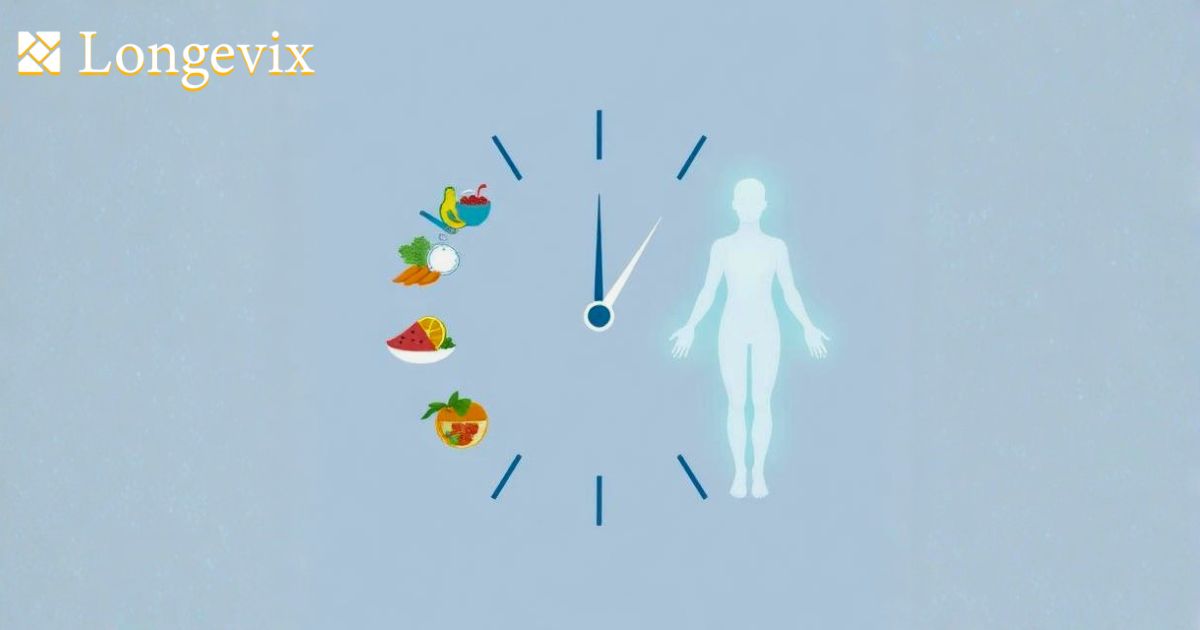
Both approaches are beneficial to longevity. As an example, shorter periods of fasting enhance insulin sensitivity, whereas longer periods of fasting enhance adaptive stress response. Others are gradual in their fasting, and others are more strict in their fasting cycles. The longevity of the compounds can be enhanced by the addition of such compounds as polyphenols. Fasting can be a long-term way of life when properly practised as opposed to a fad. It fits in well with the current objectives of health in terms of energy, concentration and longevity.
How Intermittent Fasting Affects Longevity at the Cellular Level
Further down the line, fasting has an effect on cellular production and utilisation of energy. It enhances the concentrations of NAD+ precursors that are important in cell repair and energy generation. These are compounds that are necessary to activate enzymes that participate in normal cellular processes. Longevity-promoting products, such as NMN and NR TMG capsules, are frequently referred to in this context since they promote these pathways. Increasing NAD+ levels, cells are more efficient and quicker to repair harm.
Fasting is also effective to improve mitochondrial health, and this has a direct effect on energy production. Mitochondria that are healthy decrease fatigue and promote improved physical performance. Moreover, some of the nicotinamide riboside benefits are enhanced brain activity and decreased inflammation. These modifications aid in cellular resilience and postpone ageing indications. As time goes by, regular fasting promotes the body to cope with stress, thereby making it more resilient to daily stress and strain.
Autophagy and Cellular Repair: The Anti-Ageing Power of Fasting
Autophagy is a natural cleaning system within your body. When you are fasting, your body starts to get rid of the damaged cells and recycle their parts. This cycle lessens the oxidative stress and promotes stem cell regeneration. Imagine it as a reset button clearing out old, inefficient stuff. This process is being investigated for its relationship with ageing and overall well-being.
Further on, the longer the process of autophagy, the more efficient the body is in its implementation of balance. It improves cellular strength and increases immune functions. There are studies that indicate that fasting with certain compounds such as polyphenols for longevity can further increase such effects. In the long run, this results in tougher tissues and better healing. It is based on this natural repair system that fasting is an effective health intervention in the long term.
Scientific Evidence: What Research Says About Fasting and Lifespan
Research indicates that fasting and lifespan are promising to be linked. The results of animal studies have always shown a higher survival rate with caloric restriction. Human trials demonstrate the advantages of increased insulin sensitivity, no longer being inflamed, and improved metabolic health. All these are contributing factors to longevity. Scientists also express that there is a reduction in oxidative stress, and this contributes significantly to ageing and chronic illnesses.
Major findings are compared below:
|
Factor |
Effect of Fasting |
|
Oxidative Stress |
Reduced significantly |
|
Insulin Sensitivity |
Improved |
|
Cellular Repair |
Increased |
|
Disease Risk |
Lowered |
|
Energy Efficiency |
Enhanced |
Regardless of these findings, research is dynamic. Specialists note the importance of fasting and stress reduction techniques and nutrition. This is a moderate strategy that may support a sustainable routine, depending on individual circumstances in the long term.
Common Challenges of Intermittent Fasting
Most individuals find it difficult when trying to embark on fasting regimes. Nearly always the low energy levels are observed in the early days. This occurs since the body is yet to adapt well to the metabolic switch. Others have brain fog or lack of concentration. These symptoms may render fasting a hard task. They normally dissipate, however, as the body becomes more efficient in utilising stored energy.
The other widespread problem is muscle fatigue. Fasting can decrease performance without the necessary support. It is at this point that adaptive stress response comes into play. Nutrients such as NAD+ precursors may be used to support the body in order to maintain energy. Balanced nutrition and hydration is also important. These challenges are temporary and can be handled when they are addressed properly.
How Creatine Supports Energy and Vitality During Fasting
Creatine is very important in sustaining energy levels during fasting. It aids in the formation of ATP, the primary energy source of the body. It is particularly crucial when the amount of food intake is restricted. Creatine aids in energy production, thereby lowering fatigue and enhances endurance. It also aids brain activity, which aids in remaining focused even when fasting.
Preservation of muscles is another advantage of creatine. When fasting, the body might turn to muscle as a source of energy. Creatine is useful in preventing this process. It is also included with Pure TMG powder methylation to aid in general cellular resilience. This mixture improves cell toughness and promotes longevity. Creatine is added to their fasting regimen by many due to the following reasons.
Can You Take Creatine Gummies While Fasting?
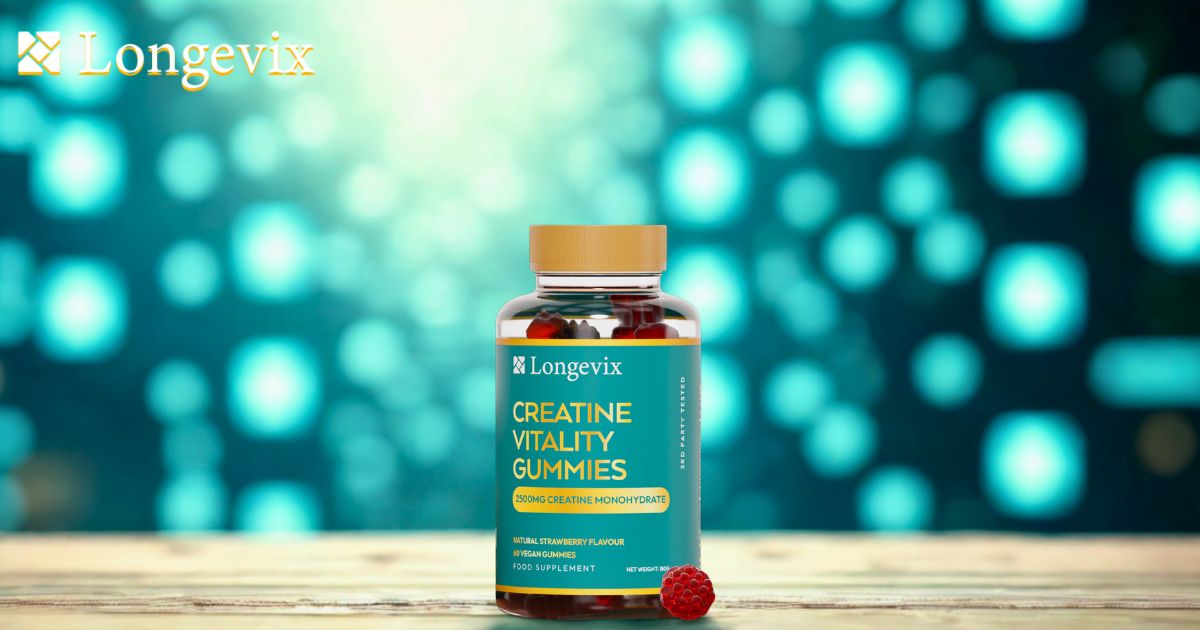
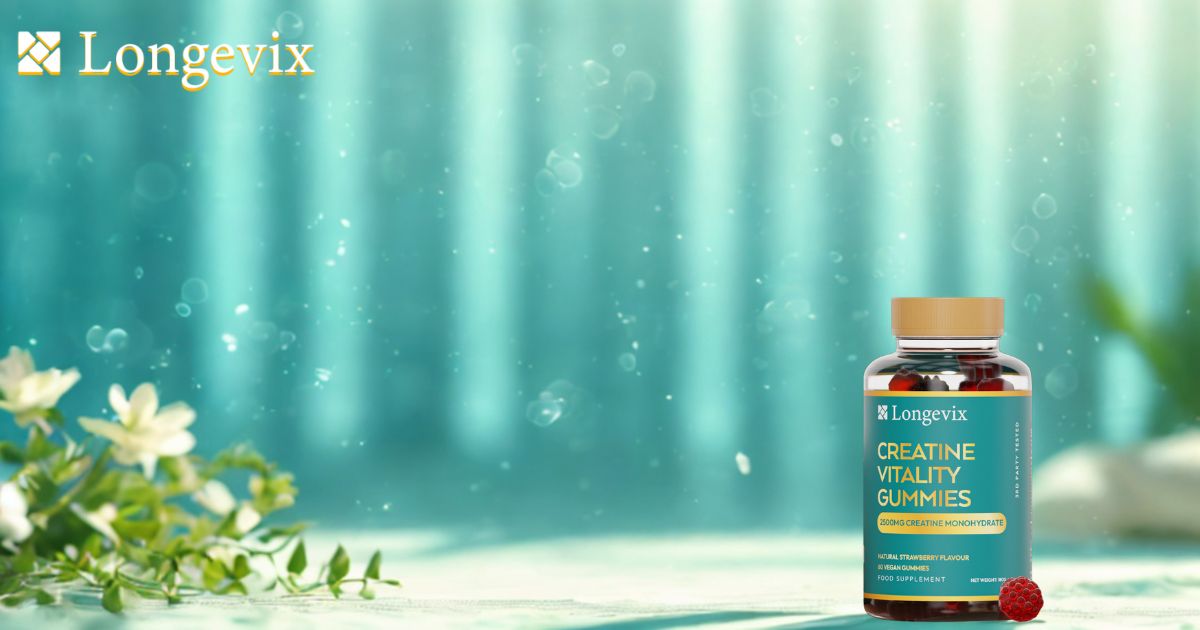
Creatine gummies are convenient, but they should not automatically be considered suitable for a strict fast. Unlike plain creatine monohydrate powder, gummies may contain energy-providing ingredients, sugars or sweeteners.
Whether a particular gummy affects fasting depends on its complete nutritional composition and the reason a person is fasting. Check the calories, carbohydrates, ingredients and serving size on the current label. The presence of creatine alone does not establish that a gummy product preserves a fasting state.
Potential Risks and Who Should Avoid Intermittent Fasting
Intermittent fasting does not apply to all. It should not be taken by people with a low body weight or some health conditions. Caution should also be taken by pregnant or breastfeeding mothers. Fasting can have an influence on the hormones of some people. It may cause deficiencies and fatigue without proper nutrition.
It is important to listen to your body. In case the symptoms are not resolved, modifications are needed. Fasting, when combined with appropriate nutrition and methylation support, can help to mitigate risks. Balance may be preserved by taking such supplements as NR TMG capsules. The individualised intervention is safe and more likely to yield improved long-term outcomes.
Combining Smart Fasting with Targeted Supplementation for Longevity
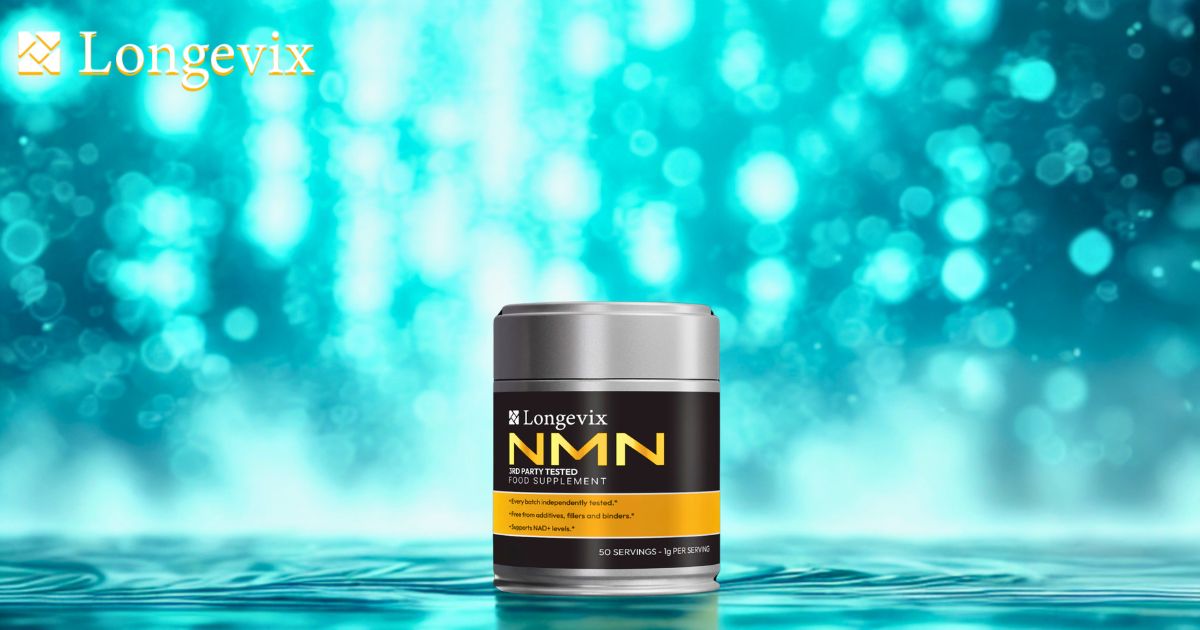
The combination of smart fasting with specific supplementation is the most effective. This practice improves energy and recovery and is more effective. The NAD+ precursors added are beneficial in sustaining cellular energy levels. Longevity supplements are also helpful in performance during fasting. This blend forms a sustainable routine that is optimal to the present lifestyles.
Longevix focuses on scientifically supported solutions that can be used in accordance with the fasting objectives. Fasting in combination with such tools as creatine and NMN for longevity can help people to achieve a better result. This approach aids in cellular resilience, enhances energy, and minimises the effects of ageing. With time, it develops a good base on long-term well-being and health.
Can You Take Creatine While Intermittent Fasting Without Breaking It?
Plain creatine monohydrate and flavoured creatine gummies are different formulations. Plain creatine powder generally contains no meaningful energy-providing sugars, while gummies may contain calories or carbohydrates. If following a strict fast, examine the complete nutrition label and consider whether the formulation fits your fasting goals. There is no need to assume that every creatine product affects fasting in the same way.
Further Reading and Source Context
These external resources provide background or regulatory context. They do not prove that a particular Longevix product produces the health outcomes discussed above.
Frequently asked questions
Does intermittent fasting slow ageing?
Human research has not established that intermittent fasting reliably slows biological ageing or extends lifespan.
Can intermittent fasting extend your lifespan?
Research suggests it may extend lifespan in animals, but in humans it mainly supports healthspan rather than guaranteed lifespan extension.
Is intermittent fasting good for longevity?
Current human evidence does not establish that intermittent fasting extends lifespan. Some studies have examined metabolic markers, but outcomes depend on the type of fasting and the study population.
What are the benefits of intermittent fasting for ageing?
It helps reduce inflammation, supports autophagy, improves metabolic health, and may slow age-related cellular damage.
Does fasting increase lifespan in humans?
There is no confirmed proof in humans yet, but studies show strong associations with improved ageing markers and reduced disease risk.


