Modern life rarely slows down, which is why effective stress reduction techniques matter more than ever. Deadlines, traffic, financial pressure, and constant notifications keep your nervous system on alert. Over time, this tension drains energy and weakens focus. Simple tools like meditation, deep breathing, and regular physical activity can calm your body within minutes.
Editorial evidence note: This article discusses research and general information, not a diagnosis or a promise that a product will prevent, treat or cure a condition. Clinical questions and supplement suitability require individual professional advice.
These methods activate the relaxation response, lowering heart rate and easing muscle tightness. When practiced consistently, it also improves sleep, mood, and mental clarity. Stress may be unavoidable, but managing it is possible. With the right daily habits, you can protect your health and build stronger emotional strength for long-term well-being.
What Is Stress, and How Does It Affect Your Mind and Body?
Stress starts in the brain. The amygdala detects danger and sends signals to release hormones. Short bursts help you react quickly. However, long exposure damages tissues and weakens memory. High cortisol levels disturb sleep and appetite. They may even influence longevity biomarkers such as inflammation levels and blood pressure.
Below is a simple overview of how stress affects the body.
|
Body System |
Short-Term Effect |
Long-Term Effect |
|
Heart |
Faster heartbeat |
High blood pressure |
|
Brain |
Sharp alertness |
Memory decline |
|
Immune System |
Temporary boost |
Lower immunity |
|
Sleep Cycle |
Hard to relax |
Insomnia or Sleeping too much |
Chronic tension also lowers your emotional strength. You may lose patience quickly. You may feel constant fatigue. Understanding these patterns helps you act early. Instant stress reduction techniques work best before stress becomes overwhelming.
Instant Stress Relief Techniques You Can Do at Your Desk
Work stress often builds quietly. Shoulders tighten. Breathing becomes shallow. Focus fades. Instead of ignoring it, pause for two minutes. Start with deep breathing. Try the breath focus technique. Inhale slowly through your nose. Hold for four seconds. Exhale slowly. Repeat five times. This triggers the relaxation response and lowers heart rate.
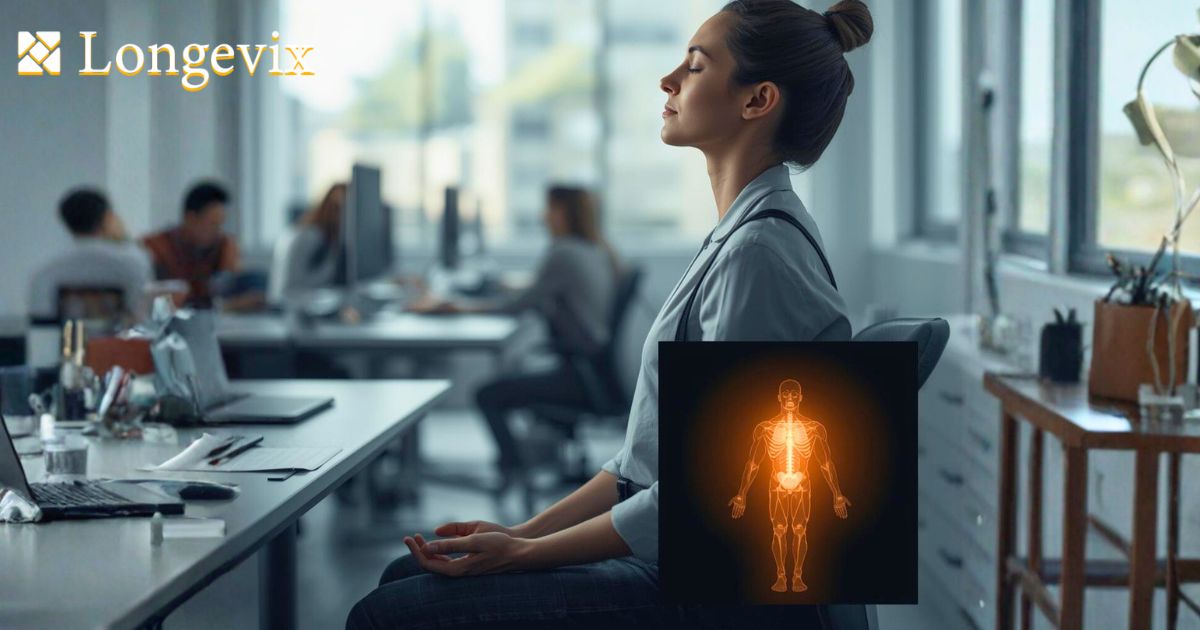
Another quick method is progressive muscle relaxation. Tighten one muscle group for five seconds. Then release slowly. Move from feet to shoulders. You will feel warmth spread through your body. Research from Harvard Medical School shows this method reduces anxiety within minutes.
You can also try body scan meditation. Close your eyes. Notice sensations in each body part. Do not judge them. This simple meditation practice builds mindfulness. Even five minutes can reset your nervous system.
Physical Stress Relievers That Work Fast
Your body needs movement. Physical activity reduces cortisol quickly. It also supports endorphin release, which creates natural happiness. Even a brisk ten-minute walk changes your mood. Studies in the UK show that moderate exercise for longevity lowers anxiety and improves heart health.
Below is a quick comparison of stress before and after movement.
|
Condition |
Before Physical activity |
After Physical activity |
|
Mood |
Irritable |
Calm |
|
Focus |
Distracted |
Clear |
|
Energy |
Low |
Steady |
Exercise also improves blood circulation. This supports longevity biomarkers like oxygen delivery and metabolic balance. Regular movement protects your brain and your heart.
Relaxation Techniques to Calm Your Nervous System
Your nervous system has two modes. One is fight or flight. The other is rest and repair. Instant stress reduction techniques help switch you into repair mode. Meditation activates calm brain waves. Mindfulness strengthens attention control.
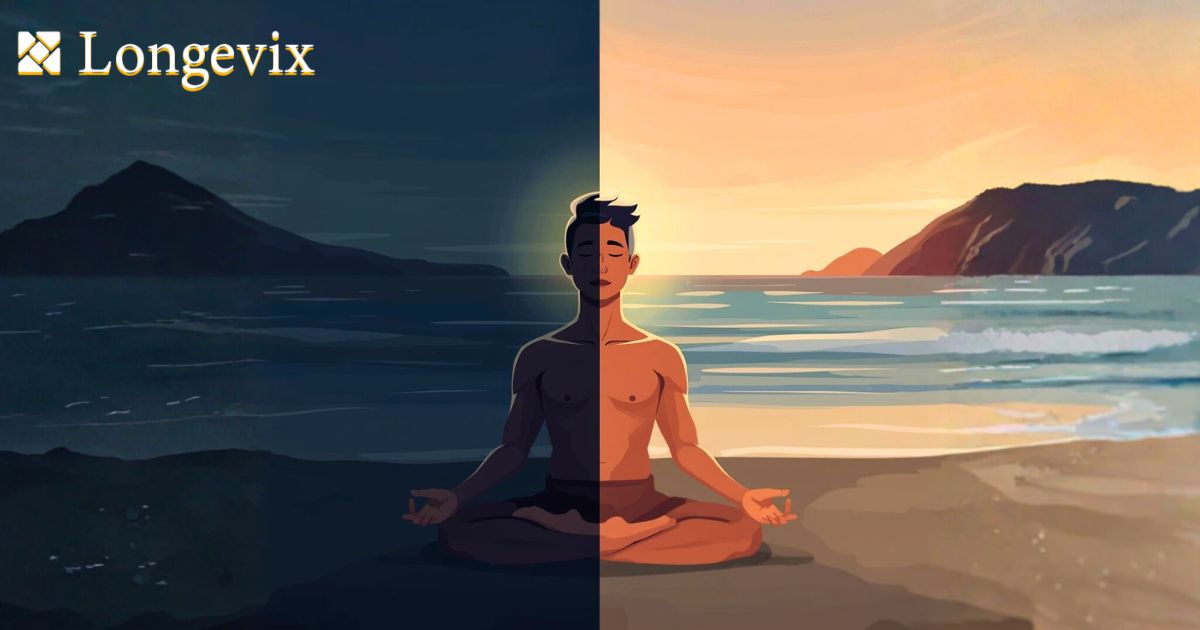
Try guided imagery. Picture a quiet beach in California or Cornwall. Hear waves softly moving. Your brain responds as if the place is real. This reduces cortisol levels. Combine this with deep breathing for stronger results.
The goal is not to remove stress completely. The goal is to respond wisely. With practice, relaxation becomes automatic.
Healthy Ways to Cope With Stress Daily
Daily habits shape stress levels more than you think. A healthy diet stabilises blood sugar. Stable blood sugar prevents mood swings. Include healthy fats like olive oil and nuts. They support brain function. Many experts recommend the Blue Zones Diet. This eating style focuses on vegetables, beans, and whole grains. Populations following this diet live longer and experience lower stress.
Unhealthy habit avoidance is equally important. Too much caffeine increases anxiety. Alcohol disrupts sleep cycles. Instead, choose water and balanced meals.
Some people also explore nutrients such as trimethylglycine for cellular support. Others use NAD+ gummies or study resveratrol benefits for ageing support. Longevix focuses on science-backed longevity supplements designed to complement healthy lifestyles. Supplements work best when combined with good nutrition and stress management.
How Sleep and Stress Are Connected
Sleep repairs your body. Stress interrupts this repair cycle. High cortisol keeps your brain alert at night. This leads to insomnia. In some cases, people respond with sleeping too much. Both extremes reduce productivity.

A consistent bedtime routine improves sleep quality. Turn off screens one hour before bed. Practise meditation or deep breathing in dim light. Lower room temperature slightly. Research from the UK Sleep Council confirms that steady routines improve sleep efficiency.
Better sleep improves emotional strength and supports a positive outlook. It also stabilises longevity biomarkers such as heart rate variability.
Emotional Stress Management Strategies
Emotions carry signals. Ignoring them increases tension. Start a gratitude practice each evening. Write three positive events from your day. This simple action strengthens a positive outlook. It trains your brain to notice good moments.
Creative expression also helps. Music, drawing, or journaling processes emotions safely. These activities enhance emotional strength over time. They create space between reaction and response. That space is powerful. It turns chaos into clarity.
Social Support and Assertiveness for Stress Relief
Humans are social beings. Strong social connections reduce anxiety levels. Talking to a trusted friend lowers cortisol quickly. Research shows people with strong networks live longer and experience fewer heart problems.

Assertiveness matters too. Clear communication protects mental space. Say no politely when needed. Boundaries are healthy. They prevent overload. When you protect your time, you protect your health.
Building Long-Term Resilience and Cognitive Fitness
Resilience grows slowly. It develops through daily mindfulness and consistent physical activity. Cognitive training strengthens focus and decision-making. Exercise for longevity supports brain plasticity. A strong brain handles stress better.
Monitoring Longevity Biomarkers such as blood pressure and glucose levels provide insight into overall health. Combined with a healthy diet and stress control, these markers improve steadily. Longevix integrates longevity science with modern supplementation strategies aimed at supporting cellular vitality.
When to Seek Professional Help for Stress
Sometimes stress becomes overwhelming. Persistent sadness, panic attacks, or sleep disruption signal deeper issues. Professional therapy provides structured support. Cognitive behavioural therapy teaches practical coping tools. Early help prevents long-term damage.
There is strength in asking for help. Stress is common. Solutions are available. By combining instant stress reduction techniques, healthy habits, and supportive relationships, you build a stable foundation for life.

Calm does not require hours. It can begin in minutes. Use deep breathing. Practise meditation. Choose a healthy diet. Move your body daily. Strengthen social connections. Protect sleep. These steps improve emotional strength and create a lasting positive outlook. Small daily actions shape long lives and clear minds.
Further Reading and Source Context
These external resources provide background or regulatory context. They do not prove that a particular Longevix product produces the health outcomes discussed above.
Frequently asked questions
What are the 5 stress reduction techniques?
Five effective stress reduction techniques include meditation, deep breathing, regular exercise, progressive muscle relaxation, and practising gratitude.
What is the best technique to reduce stress?
The best technique is deep breathing because it quickly activates the body’s natural relaxation response and lowers heart rate within minutes.
How can I reduce stress quickly?
You can reduce stress quickly by taking slow, deep breaths, stretching your body, or stepping outside for a short walk.
What are 10 ways to relieve stress?
Ten ways include exercise, meditation, healthy eating, quality sleep, gratitude practice, social connection, listening to music, journaling, limiting caffeine, and time management.
What are the 3 stress management techniques?
Three core techniques are relaxation practices, physical activity, and positive thinking or cognitive reframing.