Polyphenols for longevity are gaining attention as science uncovers how deeply food influences ageing. These natural plant compounds work quietly inside your body, shaping how you digest, heal, and protect your cells. What makes them special is their close relationship with the gut, where they interact with the gut microbiome to reduce damage caused by oxidative stress. Over time, this interaction supports anti-ageing processes that help you stay healthier for longer. Researchers now link polyphenols with improved heart health and brain health, showing benefits that go far beyond basic nutrition. Instead of acting fast, polyphenols build resilience slowly, supporting long-term vitality and graceful ageing.
A growing body of research links polyphenols with antioxidants, anti-inflammatory activity, and oxidative stress control. Together, these actions slow cellular damage and support anti-ageing processes. When you eat a polyphenol-rich diet, you do more than nourish yourself. You communicate with trillions of microbes inside your gut. That conversation shapes immunity, metabolism, and lifespan.
What Are Polyphenols?
Picture polyphenols as nature’s defence system. Plants create them to survive harsh sun, insects, and disease. When you eat those plants, you inherit that protection. Polyphenols act as antioxidants that neutralise free radicals linked to oxidative stress. Unlike vitamins, polyphenols work through multiple pathways. They influence enzymes, cell signals, and even gene expression related to DNA repair.
What makes polyphenols unique is how your body uses them. Most pass through digestion unchanged. Once they reach the colon, gut bacteria transform them into active compounds. These metabolites improve gut microbiome balance and strengthen gut flora support. This process explains why polyphenols are not quick fixes. They work slowly, steadily, and deeply over time.
How Polyphenols Interact with Gut Health and the Microbiome
Your gut is home to a living ecosystem. This ecosystem decides how food affects you. Polyphenols feed beneficial bacteria while discouraging harmful strains. This selective feeding improves microbial diversity, a key marker of health. Higher diversity links with better digestion, immunity, and mood. This is why the role of polyphenols for longevity in gut health and the microbiome continues to gain attention.
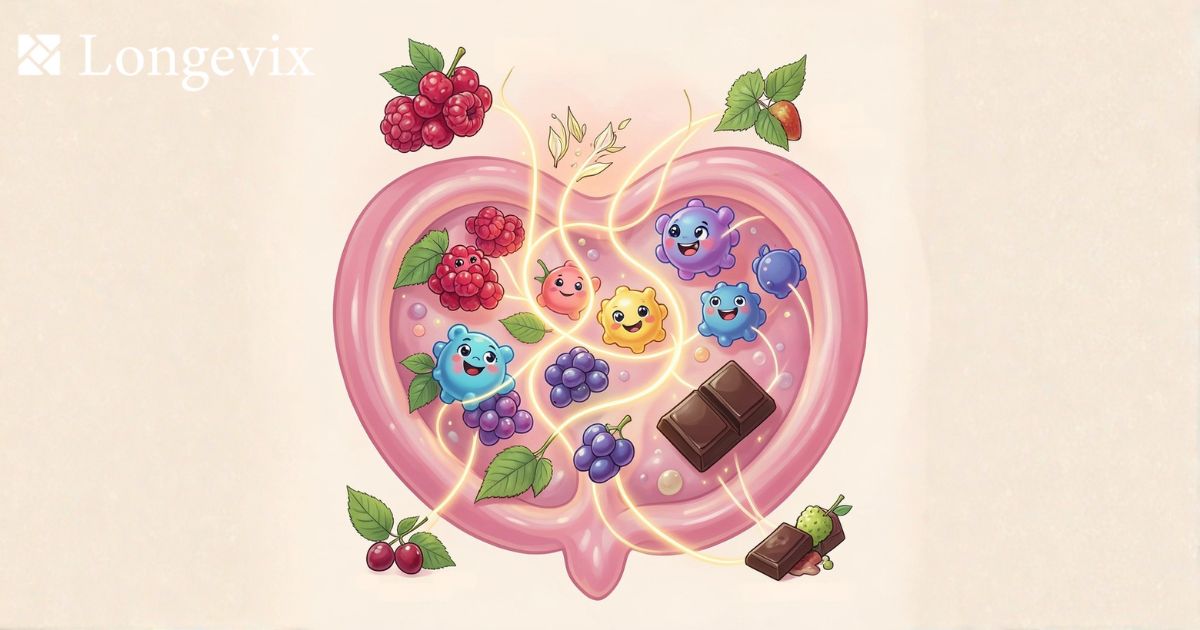
Once bacteria break polyphenols down, they release compounds that calm inflammation. These compounds support anti-inflammatory pathways and reduce intestinal permeability. A stronger gut barrier means fewer toxins enter your bloodstream. Over time, this improves blood sugar regulation, lowers disease risk, and supports mitochondrial function, which controls how your cells produce energy.
The Link Between Polyphenols and Longevity
Ageing accelerates when cells lose balance. Inflammation rises. Energy drops. DNA damage accumulates. Polyphenols slow this cascade. They activate pathways involved in mitochondrial health and DNA repair. This cellular support explains why polyphenol intake is associated with longer life in population studies. Researchers often measure these effects using longevity biomarkers such as insulin sensitivity and inflammatory markers.
Longevity also depends on how systems connect. Gut health influences the brain, heart, and immune system. Polyphenols improve this cross-talk. They reduce oxidative stress reduction across tissues. Over time, this leads to healthspan extension, meaning more active years with fewer limitations. That outcome matters more than lifespan alone.
Key Health Benefits of Polyphenols Backed by Research
Clinical studies repeatedly show improvements in heart health among people consuming high-polyphenol foods. These compounds enhance cardiovascular support by improving blood vessel flexibility and reducing cholesterol oxidation. This protects arteries from gradual damage. In practical terms, better circulation means more oxygen and nutrients reach vital organs every day.
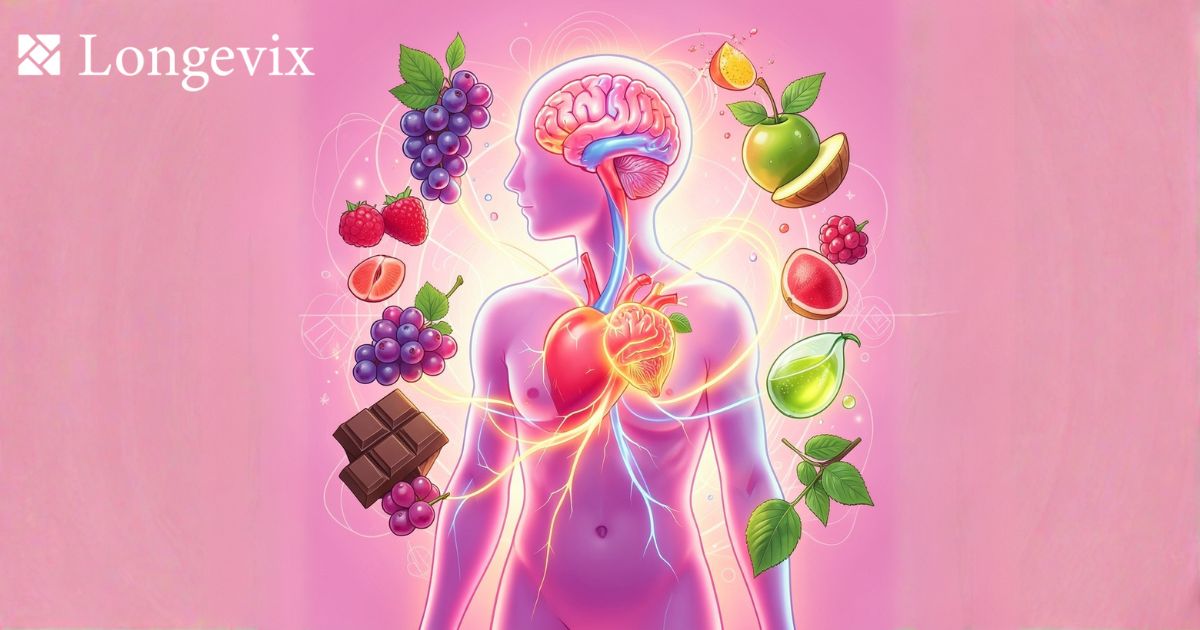
Polyphenols also influence brain health. They improve blood flow to neural tissue and support neurodegeneration prevention. Research links them with memory retention and slower cognitive decline. Many scientists now refer to this effect as brain health enhancement. Together with anti-ageing benefits, these effects highlight why polyphenols are essential longevity tools.
Best Natural Food Sources of Polyphenols
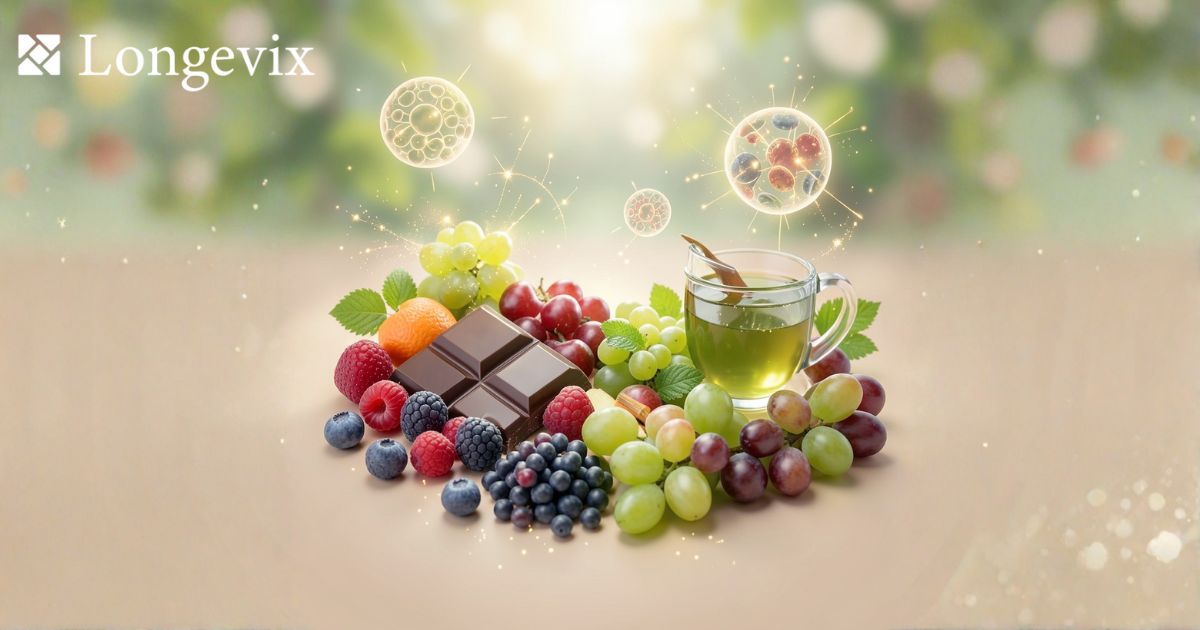
Polyphenols appear in everyday foods, often hiding in colour and bitterness. Deep hues signal high concentration. Traditional diets naturally include these foods as staples rather than supplements. This pattern explains why many cultures unknowingly consume longevity food daily. The table below shows common sources and their dominant polyphenols.
|
Food Source |
Main Polyphenols |
Key Benefit |
|
Berries |
Anthocyanins |
Oxidative stress reduction |
|
Olive oil |
Hydroxytyrosol |
Healthy fats of ageing |
|
Green tea |
Catechins |
Mitochondrial health |
|
Cocoa |
Flavanols |
Cardiovascular support |
Whole foods deliver polyphenols with fibre and minerals. This combination enhances absorption and feeds microbes together. Over time, this synergy strengthens gut microbiome resilience and supports long-term wellness.
Polyphenols in the Blue Zone Diets
Regions known as longevity hotspots share one striking habit. They eat plants daily. The blue zones lifestyle includes herbs, vegetables, olive oil, and fermented foods rich in polyphenols. These foods appear modest but work powerfully together. Researchers studying the secrets of centenarians repeatedly note low inflammation and stable metabolism.
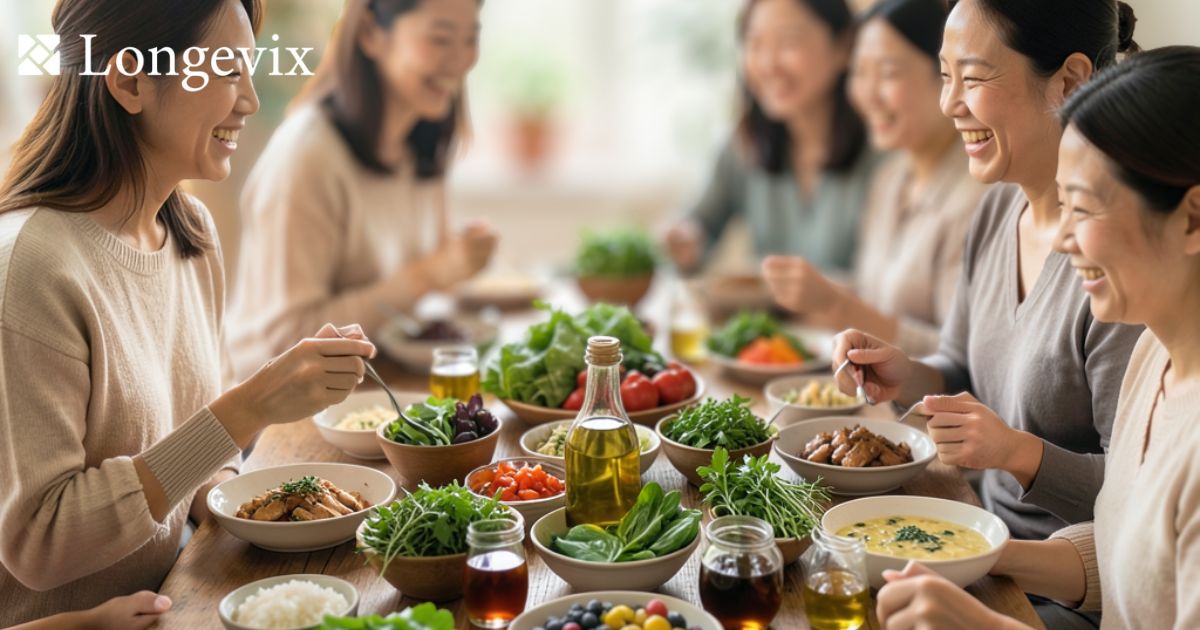
Diet alone does not explain everything. Social meals, daily movement, and strong social connections amplify dietary effects. Polyphenols work better within this context. They complement sleep, stress control, and community bonding. This holistic pattern shows why food choices shape ageing only when paired with healthy living habits.
Which Polyphenols Are Best for Gut Health and Longevity?
Not all polyphenols behave the same. Some excel at feeding gut bacteria. Others protect cells directly. Resveratrol supports mitochondrial function and activates genes linked to longevity. Quercetin calms inflammation and supports immune balance. Anthocyanins improve microbial diversity and strengthen gut flora support.
The best results come from variety. A diverse intake encourages diverse microbes. This diversity improves resilience during stress and illness. Over time, this balance supports healthspan extension and stable energy levels. Focusing on many sources rather than one compound mirrors how traditional diets evolved.
Polyphenol Supplements vs Whole Foods
Whole foods remain the foundation. They deliver polyphenols slowly and safely. However, modern diets often fall short. Soil depletion and processing reduce content. In these cases, supplements may help bridge gaps. Longevix designs formulas that respect bioavailability and gut interaction rather than isolated megadoses.
Supplements work best as additions, not replacements. They should support food-based habits and microbiome health. When chosen carefully, they can reinforce oxidative stress reduction and cardiovascular support. Quality matters more than quantity, especially for long-term use.
Are There Any Side Effects or Risks of Polyphenols?
Polyphenols from food rarely cause harm. Problems arise mainly from excessive supplementation. Very high doses may interfere with nutrient absorption or medications. Balance remains key. Listening to your body and choosing moderate intake protects benefits without risk.
Research consistently shows that diverse diets reduce side effects. This diversity supports gut microbiome stability and metabolic flexibility. For most people, food-first strategies deliver safe and lasting results. Supplements should follow evidence, not trends.
Conclusion: How to Add Polyphenols into Your Daily Lifestyle
Longevity does not demand perfection. It rewards consistency. Adding polyphenols starts with simple choices like colourful plants and healthy oils. These choices support blood sugar regulation, energy production, and resilience. Over months and years, they shape ageing quietly.
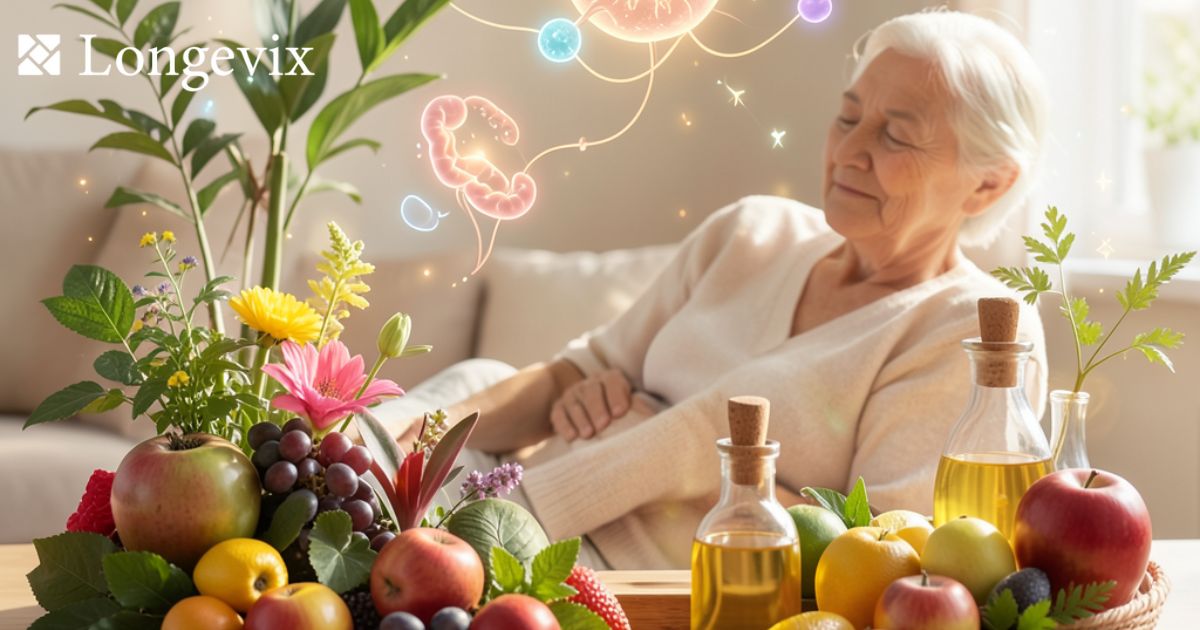
The role of polyphenols for longevity in gut health and the microbiome continues to grow clearer. Combined with movement, rest, and connection, they create a powerful foundation. Thoughtful support from Longevix can complement this approach when nutrition alone falls short. Ageing well becomes less about fear and more about daily care.
Further Reading and Source Context
These external resources provide background or regulatory context. They do not prove that a particular Longevix product produces the health outcomes discussed above.
Frequently asked questions
What are the best polyphenols for longevity?
Resveratrol, quercetin, catechins, and anthocyanins are considered the best polyphenols for longevity because they support cellular repair, gut balance, and metabolic health.
Do polyphenols increase lifespan?
Polyphenols don’t guarantee a longer lifespan, but they support longevity by reducing inflammation, improving gut health, and protecting cells from long-term damage.
Which foods are highest in polyphenols for anti-ageing?
Berries, extra virgin olive oil, green tea, dark chocolate, and colourful vegetables are among the richest foods in polyphenols for anti-ageing benefits.
How do polyphenols slow down ageing?
Polyphenols slow ageing by lowering oxidative stress, supporting mitochondrial function, and activating pathways involved in DNA repair and cellular resilience.
Are polyphenol supplements effective for longevity?
Polyphenol supplements can support longevity when diet is lacking, but they work best alongside whole foods and a healthy lifestyle rather than as a replacement.