What is an NMN supplement? Nicotinamide mononucleotide (NMN) is a molecule the body uses to make NAD+, an important coenzyme. Early human trials show changes in some NAD-related blood measurements after NMN use, but those results do not prove longer life, reversal of ageing, better memory or more daily energy.
For labelled examples, see Longevix 500mg NMN Capsules and NMN Powder with a 1g serving. If you are assessing real-world effectiveness, read does NMN really work? before making a purchase decision.
What Is NMN (Nicotinamide Mononucleotide)?
At its core, nicotinamide mononucleotide is a molecule your body makes naturally. It forms from nicotinamide, a type of vitamin B3. Once inside your cells, it converts into NAD, a coenzyme essential for cellular function. Without NAD, your cells cannot produce ATP efficiently. That means lower energy levels and slower recovery.
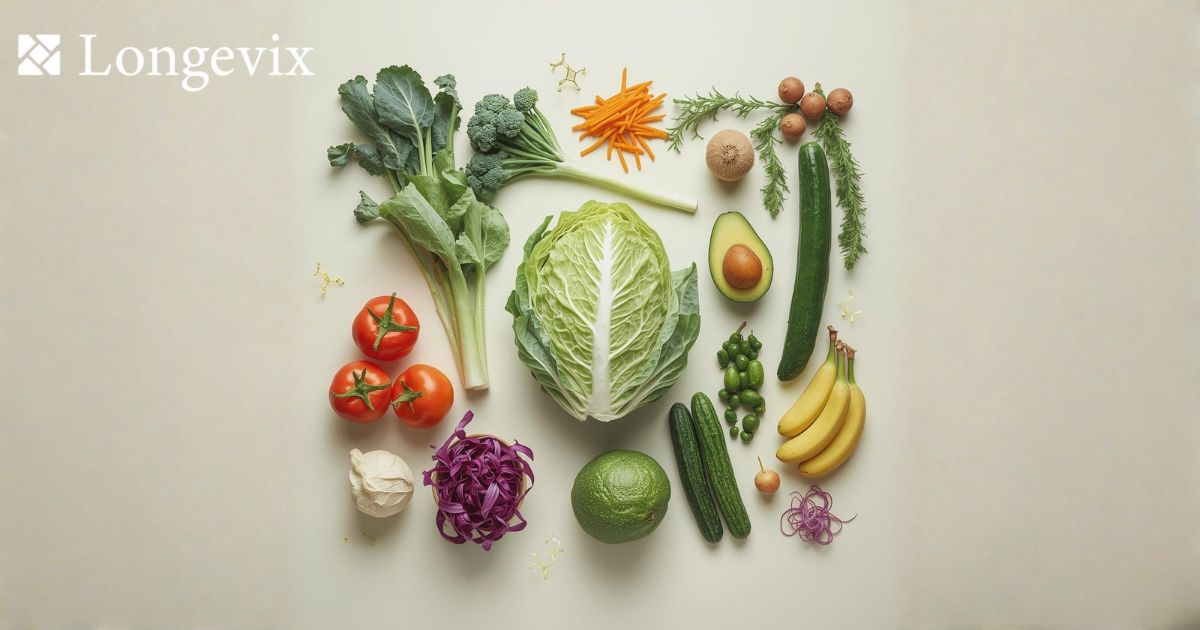
Foods like broccoli and avocado contain tiny traces. However, ageing reduces your natural production. Research shows NAD levels may decline significantly after age 30. This decline affects DNA repair, increases oxidative stress, and weakens metabolic health. That is why interest in NMN supplementation continues to grow in both the USA and the UK.
NMN vs NR: Which Raises NAD Levels Better?
Both NMN and nicotinamide riboside support NAD production. Yet nicotinamide mononucleotide enters cells more directly in many models. Some researchers suggest it converts faster into NAD once absorbed. Early animal studies show rapid restoration of NAD levels after NMN intake. Human data continues to develop, but many experts believe NMN may offer stronger support for anti-ageing pathways.
How Does NMN Boost NAD+ Levels in the Body?
Inside your body, a remarkable cycle works continuously. NMN converts into NAD through enzymes such as NAMPT. That conversion fuels mitochondria, the power plants of your cells. When NAD rises, ATP production improves. As a result, your energy levels often feel more stable.
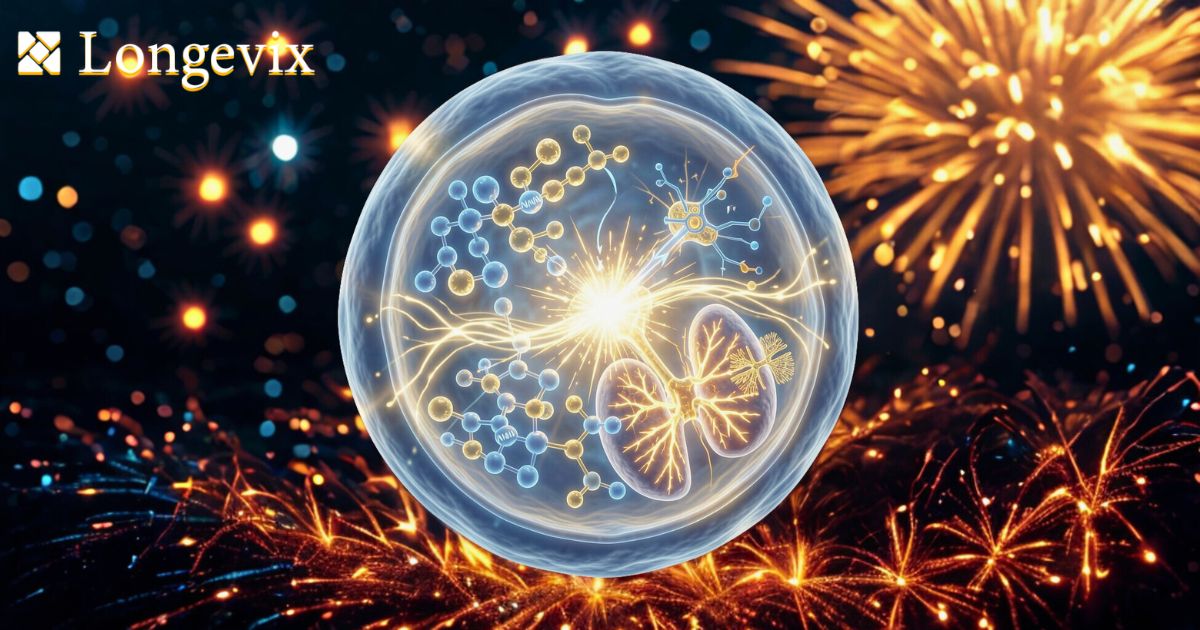
Higher NAD also activates sirtuins. These proteins regulate DNA repair, inflammation, and longevity pathways. When NAD drops, these repair systems slow down. By supporting NAD production, NMN supplementation may enhance cellular function, reduce oxidative stress, and strengthen overall resilience. Scientists continue exploring how this pathway influences ageing in real-world settings.
To simplify the process, review the table below.
|
Step |
What Happens |
Impact on the Body |
|
NMN enters cells |
Converts into NAD |
Restores NAD levels |
|
NAD activates sirtuins |
Supports repair systems |
Improves DNA repair |
|
Mitochondria function better |
More ATP produced |
Higher energy levels |
|
Reduced cellular stress |
Lower inflammation |
Better metabolic health |
Why NAD+ Is Important for Health and Longevity
NAD acts like a spark plug for life. Without it, cells cannot convert nutrients into usable energy. That alone affects daily vitality. However, NAD does more. It regulates enzymes involved in DNA repair, protects against oxidative stress, and supports brain health.
As NAD declines, risks linked to ageing increase. Lower NAD connects to weaker cardiovascular benefits, poor insulin sensitivity, and reduced cognitive health. Some researchers call NAD a master regulator of longevity. When you restore NAD levels, you may support healthier ageing patterns. This link explains why anti-ageing science now focuses heavily on NAD restoration.
Potential Benefits of NMN Supplements
Interest grows because of the wide potential benefits observed in research. Studies suggest improved energy levels, better insulin sensitivity, and enhanced mitochondrial efficiency. In some animal studies, NMN improved endurance and glucose control.
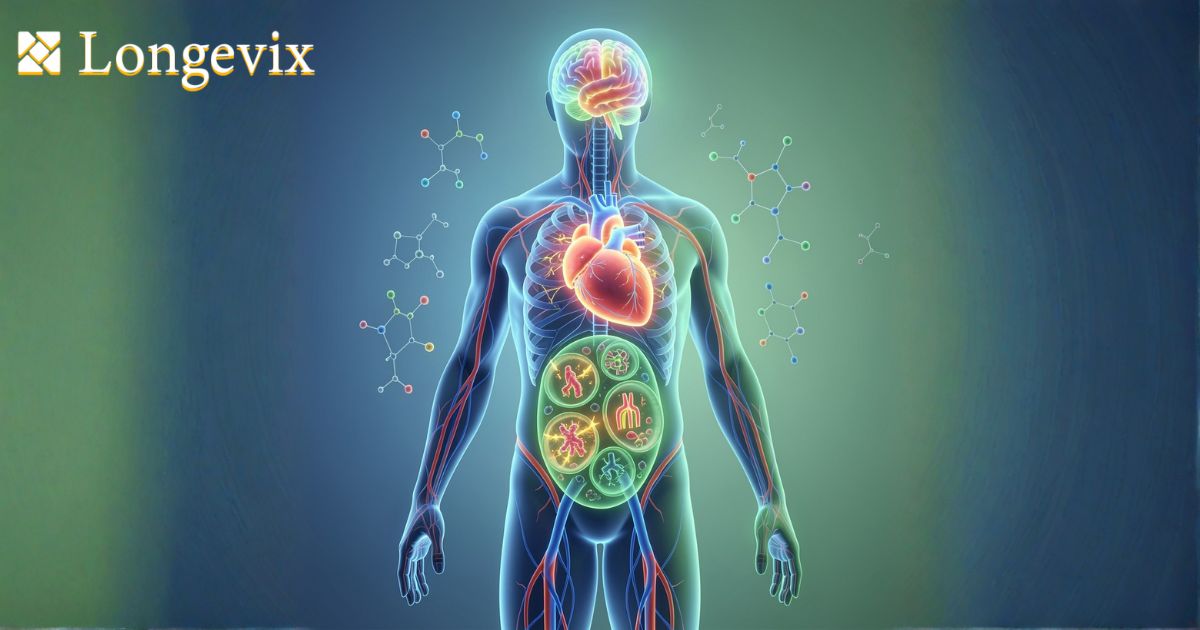
Early clinical trials in humans indicate improved insulin resistance markers and vascular flexibility. Researchers also study its role in heart health and brain health. Although long-term data remains limited, many findings look promising. When discussing NMN benefits, scientists often mention improved metabolic health, sharper mental clarity, and stronger cellular defence systems.
What Does Current Research Say About NMN?
Scientific interest has expanded rapidly. Multiple clinical trials in Japan and the United States report improved insulin response and muscle metabolism after NMN supplementation.
Several animal studies demonstrate improved mitochondrial activity and extended lifespan markers. However, human longevity outcomes require longer evaluation. Researchers emphasise caution while remaining optimistic. The data suggests potential, yet long-term safety and large-scale validation continue under investigation.
Does NMN Supplementation Really Work?
Many people report improved vitality within weeks. Yet results vary. Age, lifestyle, and baseline NAD levels matter greatly. Younger adults with strong metabolic function may notice subtle changes. Older adults with declining cellular function often report more visible improvements.

Research suggests consistent NMN supplementation raises NAD in blood samples. However, individual outcomes differ. Improved sleep quality, reduced fatigue, and support during travel stress such as jet lag are commonly discussed. Still, supplements cannot replace healthy habits. Nutrition, movement, and sleep remain foundational pillars.
NMN Dosage Guidelines
Most research uses daily amounts between 250 mg and 1000 mg. Lower doses may support general vitality. Higher doses often appear in metabolic studies. Morning intake aligns better with natural circadian rhythms. That timing may support daytime energy levels.
Safety data shows mild side effects in some participants. These include digestive discomfort and headache. Serious adverse reactions remain rare in short-term trials. However, medical consultation remains wise for individuals managing chronic conditions related to insulin resistance or heart health.
Is NMN safe? Side Effects and FDA Considerations
Safety remains a central concern. Short-term studies show minimal side effects. Still, long-term human data remains limited. In the United States, regulatory discussions continue regarding classification. In the UK, supplements follow food safety frameworks rather than drug pathways.

Scientists monitor potential interactions with medications affecting metabolic health or blood pressure. While no strong evidence links NMN to major harm, research continues. Transparency and third-party testing remain important when selecting products.
How to Increase NAD+ Naturally
Lifestyle plays a powerful role. Exercise stimulates NAD production naturally. Caloric moderation and fasting also enhance NAD pathways. These practices improve insulin sensitivity and reduce oxidative stress.
Quality sleep strengthens hormonal balance and supports DNA repair. Better sleep quality alone improves cellular resilience. Sunlight exposure and stress reduction further enhance NAD metabolism. Supplements may help, yet lifestyle remains foundational for sustainable longevity.
Final Verdict: Should You Take an NMN Supplement?
Interest in nicotinamide mononucleotide reflects growing awareness of cellular ageing. Evidence suggests NMN supplementation raises NAD levels and supports repair systems. Early findings highlight promising potential benefits for brain health, heart health, and metabolic balance.
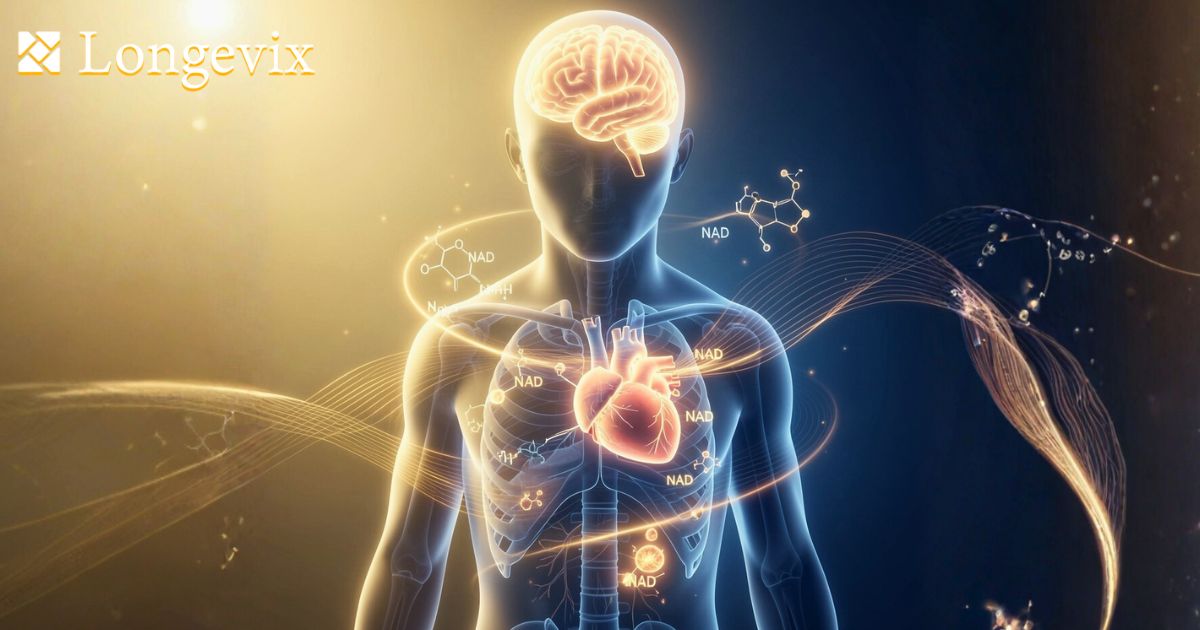
However, NMN is not magic. It works best when combined with healthy living. For adults seeking proactive anti-ageing strategies, it may offer meaningful support. As science evolves, understanding how NMN boosts NAD+ levels will continue shaping the future of human longevity.
Further Reading and Source Context
These external resources provide background or regulatory context. They do not prove that a particular Longevix product produces the health outcomes discussed above.
Frequently asked questions
What is the NMN supplement good for?
NMN supports NAD levels, which help improve energy production, metabolic balance, and overall cellular repair linked to healthy ageing.
Is NMN the same as vitamin B3?
No, NMN is not vitamin B3 itself, but it is derived from nicotinamide, a form of vitamin B3, and helps the body produce NAD.
What are the side effects of NMN?
Most studies report mild side effects such as nausea, bloating, or headache, with no serious short-term safety concerns observed.
Does NMN really reverse ageing?
NMN does not reverse ageing, but research suggests it may support anti-ageing pathways by improving cellular energy and repair processes.
How much NMN should I take daily?
Common daily doses range from 250 mg to 1000 mg, depending on age, health goals, and medical guidance.