Centenarians don’t treat ageing as a battle. They treat it as a rhythm. Across different cultures, the secrets of centenarians point to simple patterns repeated daily. These individuals build a long life by protecting routine movement, emotional balance, and meaningful connections. Instead of chasing extremes, they rely on steady physical activity, nourishing good food, and habits that reduce pressure on the body and the mind.
Science now confirms what they lived for decades. Motion supports resilience. Purpose fuels motivation. Strong social connections protect mental health. Together, these choices shape longevity in a way modern life often forgets, yet anyone can relearn with intention and consistency.
Why Movement Is the #1 Longevity Secret of Centenarians
Movement acts like quiet medicine. It keeps joints smooth. It feeds muscles. It sharpens balance. Studies from Harvard show active older adults reduce mortality risk by over 30 percent. That result appears even without gym training. What matters is physical activity done often. Walking. Stretching. Standing. Moving with intention. These actions protect health far better than rest alone.
Centenarians don’t chase youth. They protect function. Movement supports circulation. It stabilises blood sugar. It lowers stress hormones. Over decades, such activity slows ageing. Genetics play a role, yet daily motion amplifies good genes. This is why experts say lifestyle can outweigh family genetics in many cases.
Daily Physical Activity Habits of People Who Live to 100
Daily motion replaces structured workouts. Many centenarians walk several times a day. They climb stairs. They cook. They clean. These small actions stack up. The body stays useful. Muscles stay awake. This steady pattern supports long life without exhaustion.
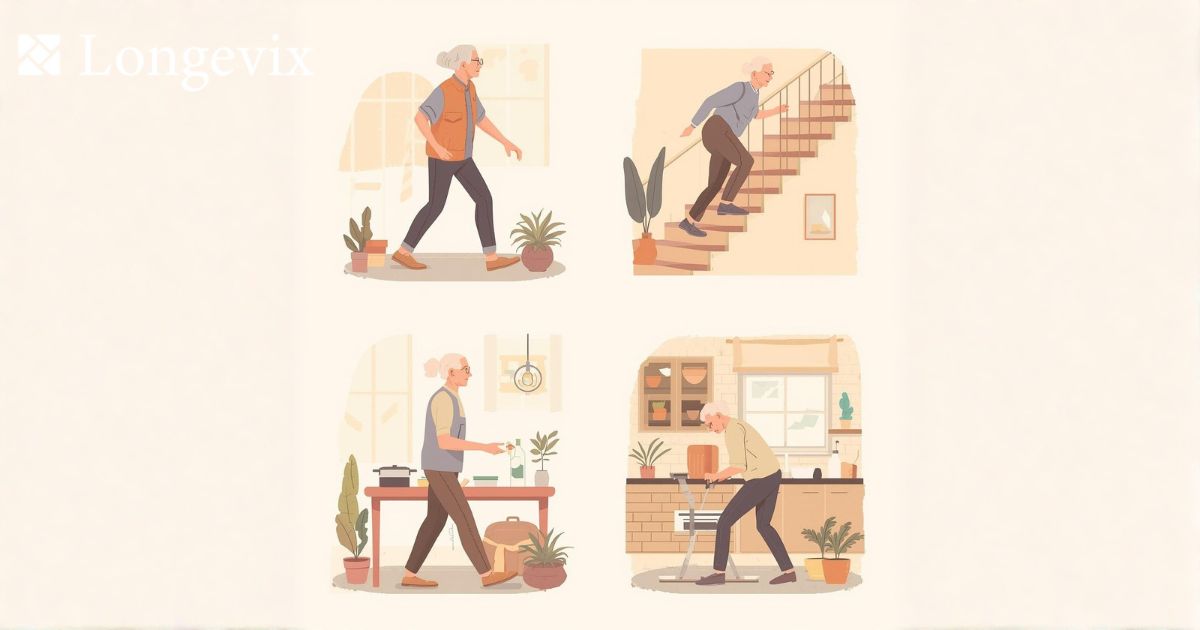
Research from Blue Zones shows lifestyle movement burns more calories than short gym sessions. It also supports better diet control. Appetite stays balanced. Blood sugar spikes drop. Combined with good food, this rhythm protects against chronic diseases like diabetes and heart disease.
Simple Exercises Centenarians Practice Well Into Old Age
Simple movements age best. Chair rises keep legs strong. Arm circles protect shoulders. Slow stretching keeps posture upright. These exercises feel gentle, yet they preserve independence. Doctors often call this functional fitness. It supports real life.
These movements also protect the mind. Coordinating balance and motion improves mental activity. Brain scans show better neural connections in active seniors. This explains why many centenarians stay sharp and engaged with family and community.
Why Functional Movement Beats Gym Training After 60
Gym workouts fade. Functional movement stays. Squatting to sit. Reaching to lift. Turning to walk. These patterns reduce fall risk. They support confidence. Confidence fuels a positive outlook, which itself links to better survival rates.
How Low-Impact Exercise Slows Ageing and Prevents Disease
Low-impact motion protects joints. Walking strengthens the heart. Swimming unloads pressure. Cycling improves circulation. These forms reduce inflammation. Less inflammation means slower ageing.
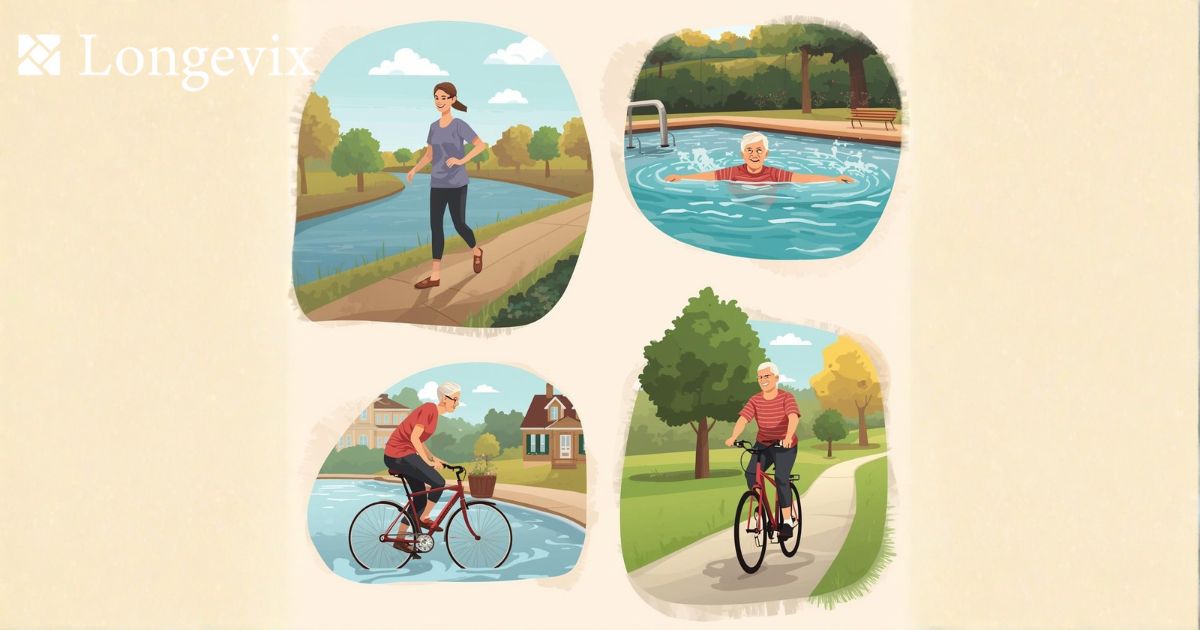
A UK NHS-backed study shows seniors doing low-impact exercise five days a week cut arthritis pain by half. The same group showed fewer hospital visits. Low strain keeps consistency alive. Consistency keeps health strong.
|
Activity |
Aging Benefit |
Disease Protection |
|
Walking |
Joint health |
Heart disease |
|
Swimming |
Muscle tone |
Arthritis |
|
Stretching |
Flexibility |
Falls |
|
Cycling |
Circulation |
Diabetes |
The Role of Consistency Over Intensity in Longevity
Intensity breaks people. Consistency builds them. Centenarians move daily. They rarely push limits. Hormones stay balanced. Recovery stays quick. This protects sleep quality.
Science shows extreme training raises cortisol. Chronic cortisol harms immunity. Gentle, repeated physical activity lowers cortisol. It supports stress management and emotional stability. Over decades, this difference becomes visible.
Traditional Lifestyle Movements That Keep the Body Young
Traditional living involved motion. Farming. Carrying water. Gardening. These activities built strength through hard work, not repetition machines. Muscles adapted naturally.

Anthropologists note that cultures with these patterns show lower rates of chronic diseases. Their movement blends with food preparation and daily tasks. This harmony supports a healthy diet without obsession.
Mind–Body Connection: Movement, Stress Reduction, and Mental Health
Movement calms the nervous system. Walking lowers anxiety. Stretching eases tension. Group activities support social connections. Loneliness shortens life. Community lengthens it.
Centenarians often speak about calm minds. Many follow routines with prayer, reflection, or walks with friends. This supports stress management and emotional resilience. A settled mind protects the heart as much as movement does.
How Modern Science Explains Centenarians’ Active Lifestyles
Muscle acts like an organ. It regulates sugar. It controls inflammation. Science confirms that active muscles slow biological ageing. Mitochondria work better. Cells repair faster.

Researchers from the National Institute on Ageing show that motion improves insulin sensitivity even at 90+. This explains why centenarians manage weight without dieting. Movement works with genetics, not against them. Supplements that support cellular energy, like those used by Longevix, often pair best with active routines rather than sedentary habits.
How You Can Apply Centenarian Movement Habits in Daily Life
You don’t need hours. You need rhythm. Walk after meals. Stretch before bed. Stand during calls. Carry groceries. These actions build habits quietly.
Pair movement with meaning. Walk with family. Garden for purpose. Cook with intention. This creates emotional rewards. Over time, movement becomes identity. Brands focused on healthy ageing, including Longevix, often emphasise this lifestyle-first approach rather than shortcuts.
Safe Exercise Tips for Ageing Adults and Seniors
Safety protects progress. Warm muscles before effort. Move slowly at first. Pain signals matter. Fatigue deserves rest. Balance practice reduces falls.
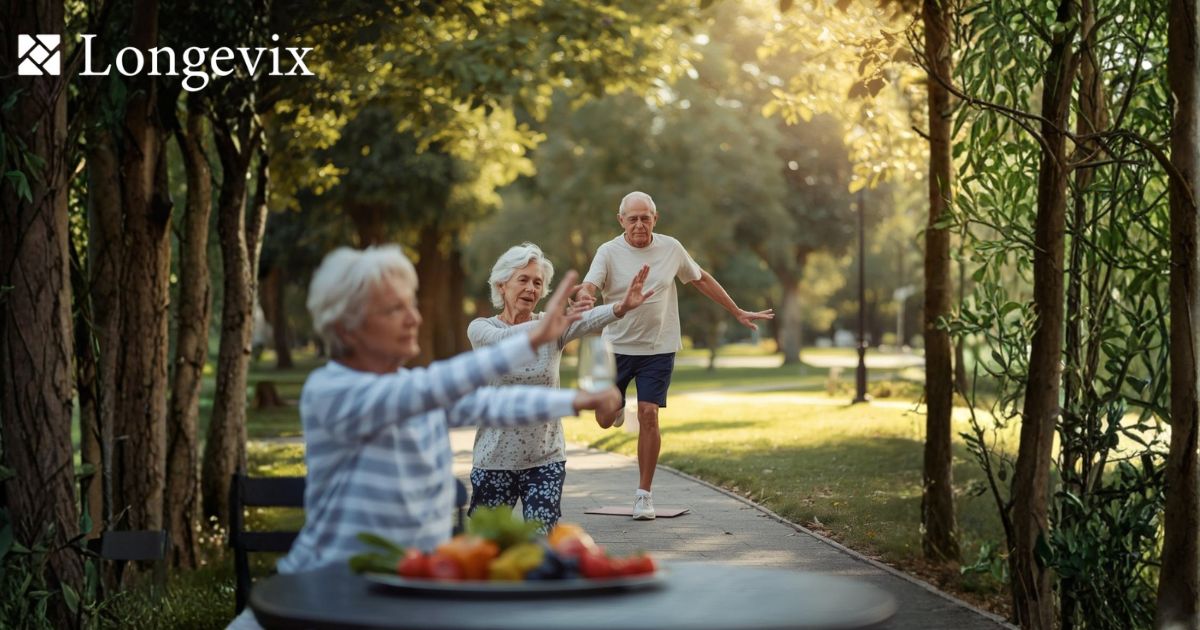
Doctors advise mixing movement with hydration and good food. Protein protects muscles. Fibre supports digestion. This combination sustains health long-term. Ageing well isn’t about avoiding age. It’s about moving through it with strength, clarity, and a sense of purpose.
Centenarians don’t chase youth. They protect motion.
That single choice shapes a longer, healthier life.
Further Reading and Source Context
These external resources provide background or regulatory context. They do not prove that a particular Longevix product produces the health outcomes discussed above.
Frequently asked questions
What is the secret to living to 100?
Living to 100 comes from consistent movement, low stress, strong purpose, and daily habits that support long-term health rather than quick results.
What do centenarians eat every day?
Centenarians usually eat simple good food like vegetables, grains, and legumes, and small portions, following a naturally healthy diet without overeating.
What are the habits of centenarians?
They move daily, stay socially connected, manage emotions well, keep routines, and maintain a positive relationship with family and community.
Do centenarians have a common trait?
Yes, most share a positive outlook, resilience, strong social connections, and a clear sense of purpose in daily life.
What is the average age of death for centenarians?
Most centenarians live between 100 and 105 years, with a smaller number reaching 110 due to favourable genetics and lifelong habits.