
The blue zones diet has gained global attention because it explains why certain communities enjoy exceptional longevity and vibrant health well into old age. In these regions, reaching 90 or even 100 is common, not rare. Researchers studying this centenarian's secret discovered that food plays a powerful role, but never in isolation.
Daily meals focus on plant-based foods, natural ingredients, and traditional cooking methods passed down for generations. Instead of strict rules, people follow a blue zone lifestyle that blends nutrition, movement, and purpose. This way of eating supports heart health, brain function, and metabolic balance, making the blue zones diet a practical model for longer, healthier living in modern societies.
What Are Blue Zones?
Blue zones are regions where people consistently live longer than average. Dan Buettner and National Geographic researchers identified these areas through demographic data and birth records. The five regions include Okinawa in Japan, Sardinia in Italy, Ikaria in Greece, Nicoya in Costa Rica, and Loma Linda in California. Despite cultural differences, each region shares similar habits that support longevity.
What makes blue zones unique is consistency. People do not chase health. They live it daily. Their food grows locally. Their meals feel social. Their days include purpose. This combination shapes the centenarians' secret more than genetics alone. Studies suggest lifestyle accounts for nearly 80 per cent of lifespan variation. That insight matters deeply for Western societies.
|
Blue Zone Region |
Primary Diet Focus |
Average Lifespan Trait |
|
Okinawa |
Sweet potatoes, Vegetables, soy |
Low heart disease |
|
Sardinia |
Grains, goat milk, Greens |
Male longevity |
|
Ikaria |
Olive oil, herbs, legumes |
Low dementia |
|
Nicoya |
Corn, squash, Beans |
Strong mobility |
|
Loma Linda |
Plant-based foods |
Lowest chronic disease |
Core Principles of the Blue Zones Diet
At its heart, the Blue Zones Diet follows simple rules shaped by tradition. People eat food that grows nearby. They stop eating before feeling full. This habit is known as the 80% rule. In Okinawa, it is called Hara Hachi Bu. This practice lowers calorie intake without dieting stress. It also improves insulin sensitivity.
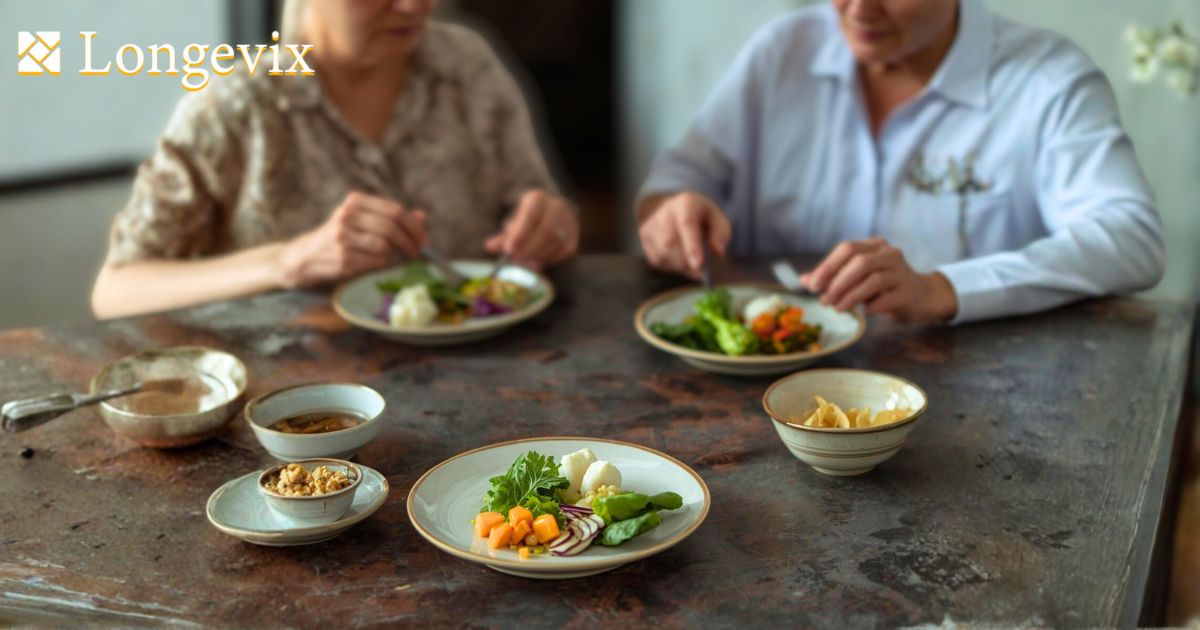
Another principle is the plant slant. Meals centre on plants, not meat. Plates overflow with vegetables, greens, and whole foods. This pattern reduces inflammation and supports gut health. Researchers link these habits to lower cancer and heart disease rates. Food becomes nourishment rather than entertainment. That mindset supports long life.
95–100% Plant-Based Eating Pattern
The Blue Zones Diet remains largely plant-based. People rely on seasonal produce and simple cooking. Fresh vegetables, wild greens, fruits, and grains dominate meals. These foods supply fibre, vitamins, and protective compounds. Fibre feeds gut bacteria. Healthy bacteria reduce inflammation and improve immunity.
Unlike modern vegan diets, blue zones avoid processed substitutes. Meals stay close to nature. This pattern supports anti-ageing science by reducing oxidative stress. Plant compounds called polyphenols protect cells from damage. Over time, this slows biological ageing. That effect explains why elders remain active well into old age.
Retreat from Meat and Animal Products
Meat appears rarely in Blue Zones. This habit reflects the principle called retreat from meat. People eat small portions during celebrations rather than daily meals. Red meat intake often stays below five times per month. This lowers saturated fat intake and reduces heart disease risk.
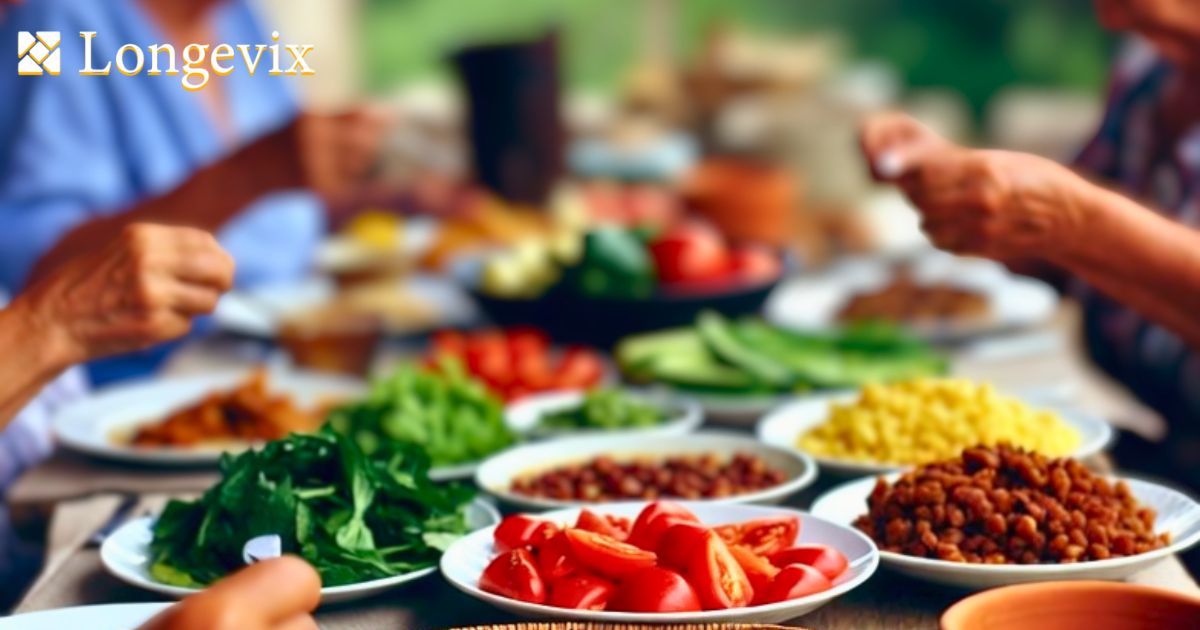
Dairy also remains limited through the idea to diminish dairy. Goat and sheep milk appear occasionally. Eggs appear sparingly. These limits support hormone balance and reduce inflammation. Studies show lower IGF-1 levels in low-meat diets. That hormone links to faster ageing. Moderation protects long-term health.
The Importance of Beans, Legumes, and Nuts
Beans form the backbone of the Blue Zones Diet. Locals eat lentils, chickpeas, black beans, and fava beans daily. This habit is known as the daily dose of beans. Beans supply protein, fibre, iron, and slow-release energy. They stabilise blood sugar and support heart health.
Nuts also play a quiet role through the habit of snacking on nuts. Almonds, walnuts, and pistachios provide healthy fats and minerals. A Harvard study found nut eaters lived longer. These foods reduce LDL cholesterol and support brain health. Simple snacks create powerful outcomes.
Healthy Carbohydrates and Whole Foods
Carbohydrates in Blue Zones differ from Western diets. People eat whole grains, root vegetables, and sourdough bread. These carbs digest slowly. Blood sugar stays stable. Energy lasts longer. Refined sugar remains rare through the rule to slash sugar.
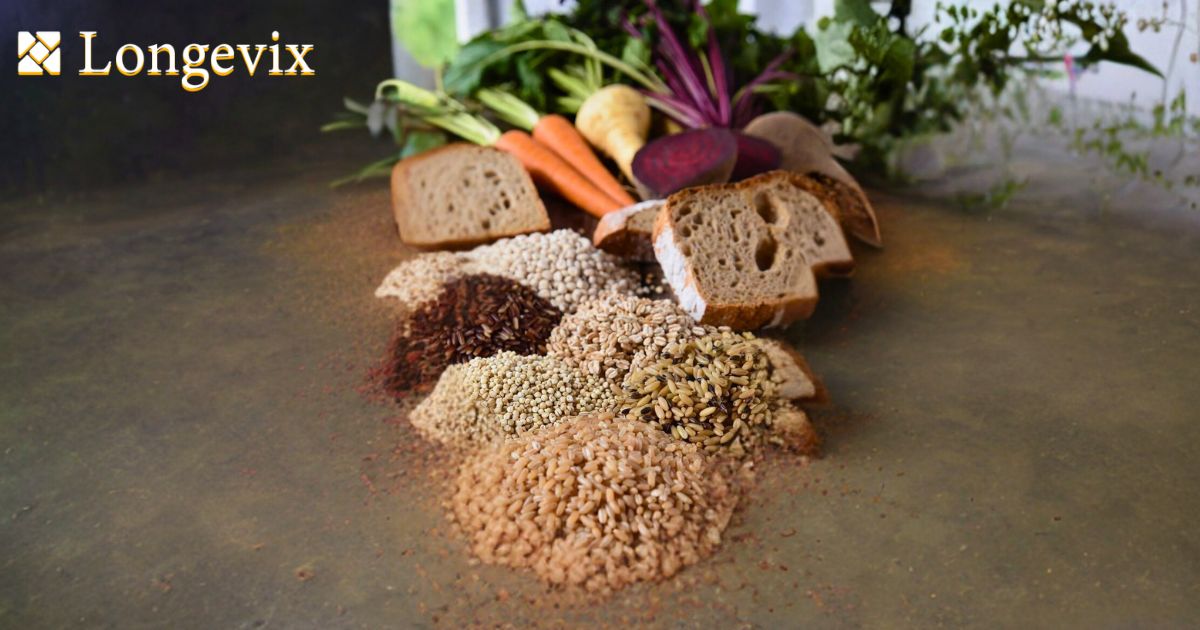
Traditional breads often ferment naturally. Fermentation improves digestion and mineral absorption. Whole foods replace packaged snacks. This approach supports metabolic health and gut diversity. Stable blood sugar reduces diabetes risk. That protection plays a key role in longevity and disease prevention.
Blue Zones Beverage Rules
Water leads all beverages in Blue Zones. This habit aligns with drinking mostly water. People sip throughout the day. Herbal teas also appear often. Coffee consumption stays moderate. Sweet drinks remain uncommon. Hydration supports circulation and detoxification.
Red wine appears in some regions, especially Sardinia and Ikaria. It is consumed socially and in moderation. Red wine contains compounds linked to resveratrol benefits. Resveratrol supports heart health and activates longevity pathways. Excess drinking never appears. Balance matters more than abstinence.
Longevity Superfoods from Blue Zones
Certain foods appear repeatedly across Blue Zones. These foods earn the title longevity superfoods. Olive oil stands out as a daily fat source. It supplies monounsaturated fats and polyphenols. These compounds reduce inflammation and protect blood vessels.

Leafy greens, sweet potatoes, garlic, and herbs appear often. These foods support cellular repair. Many contain antioxidants studied in anti-ageing science. Together, they form the best foods for longevity. Simple meals deliver deep nourishment over decades.
Lifestyle Habits That Support the Blue Zones Diet
Diet alone does not explain long life. Lifestyle completes the picture through the blue zone lifestyle and the power 9 principles. People move naturally through walking, gardening, and daily chores. Exercise feels built-in rather than forced.
Strong social bonds also matter. Families eat together. Elders feel valued. Purpose shapes daily life. Stress stays low through routine and rest. These habits reduce cortisol levels. Lower stress protects immunity and brain health. Food works best when lifestyle supports it.
How to Follow the Blue Zones Diet in Daily Life
Adopting the Blue Zones Diet feels practical for modern life. Start with more plants on the plate. Replace meat-centric meals with vegetables, beans, and whole grains. Use olive oil instead of butter. Drink water first. These shifts require no extremes.
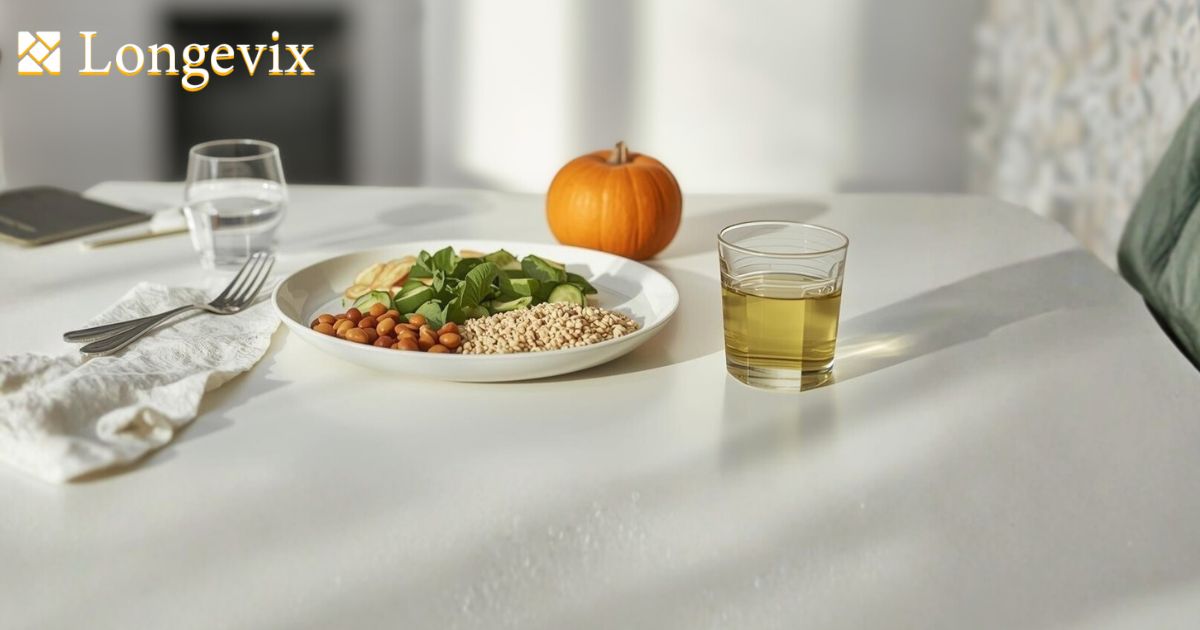
Consistency matters more than perfection. Small daily habits compound over time. Some people support cellular health with tools like an NMN supplement, especially when guided by science-focused brands such as Longevix. When paired with food and lifestyle, these choices support healthy ageing. Longevix emphasises longevity through evidence-based nutrition rather than shortcuts.
“Longevity isn’t about adding years to life. It’s about adding life to years.”
The Blue Zones Diet shows that long life grows from daily patterns. Food stays simple. Life stays connected. Health follows naturally.
Further Reading and Source Context
These external resources provide background or regulatory context. They do not prove that a particular Longevix product produces the health outcomes discussed above.
Frequently asked questions
What do people eat in Blue Zones?
People in Blue Zones eat mostly plant-based foods like vegetables, greens, beans, whole grains, nuts, and olive oil, with very little meat or sugar.
What is the Blue Zones diet?
The Blue Zones diet is a traditional way of eating focused on natural, whole foods that support longevity and long-term health.
What are the 9 rules of Blue Zones?
The 9 rules, known as the Power 9, include natural movement, purpose, stress reduction, the 80% rule, plant-slant eating, social connection, and strong family ties.
Can you lose weight on the Blue Zones diet?
Yes, many people lose weight naturally because the diet is high in fibre, low in calories, and avoids processed foods.
What foods should you avoid on the Blue Zones diet?
You should avoid processed foods, excess meat, added sugar, refined grains, and sugary drinks.