Social life quietly shapes how long you live and how well you age. Research now shows that strong relationships protect health just like good food or regular exercise. When people feel connected, stress levels drop and the body repairs itself more efficiently. In contrast, social isolation places constant pressure on the heart, brain, and immune system. Over time, this strain accelerates biological ageing and weakens resilience.
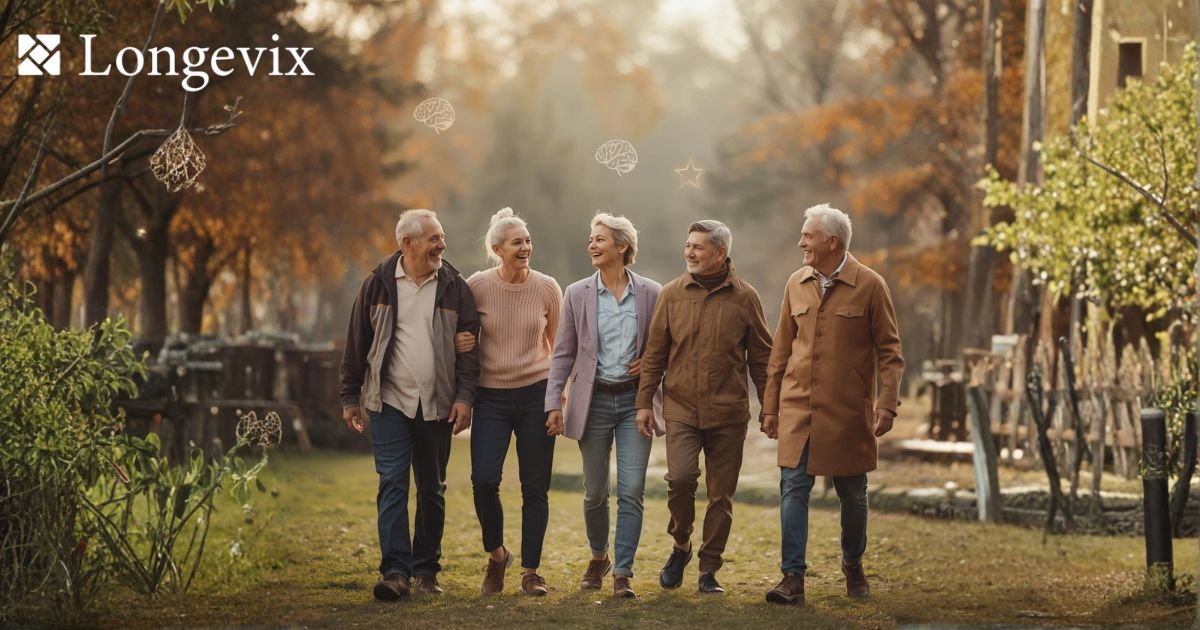
Meaningful friendships create emotional safety, encourage healthier habits, and lower harmful inflammation. Scientists studying ageing science now recognise social bonds as a powerful, often overlooked factor in long-term health and longevity.
What Are Social Connections, and Why Do They Matter for Longevity?
Social connections describe the web of relationships surrounding you. They include family, friendships, colleagues, neighbours, and community groups. These ties form a multidimensional construct that shapes daily choices and emotional balance. When connection feels secure, the nervous system relaxes. Stress hormones fall. The body repairs more efficiently. Over time, this creates cumulative social advantage, where small benefits add up year after year.
Research from public health agencies shows that social integration predicts longer life. People with steady social support often eat better, move more, and sleep deeper. They also recover faster after illness. In contrast, social isolation disrupts routines and increases strain on the heart and immune system. That strain accelerates wear on cells, which scientists track using epigenetic clocks in modern ageing science.
Can Friendship Really Slow Ageing? What Science Says
Friendship does more than lift mood. It alters biology. Long-term studies link close friendships to slower changes in epigenetic clocks, a lab method that estimates biological ageing. When people feel valued, cortisol drops. Lower cortisol reduces inflammation, which protects blood vessels and organs. That protective loop explains why connected adults often appear younger than their years.

A large UK cohort found that adults with active social lives had lower mortality risk than those who felt alone. Similar results appear in US data. The effect rivals classic habits like exercise. Scientists suggest friendship buffers stress during setbacks. That buffer protects the brain and heart simultaneously. Over decades, those small shields matter.
The Link Between Strong Relationships and Physical Health
Relationships influence the body in visible ways. Supportive bonds improve blood pressure control and glucose balance. They also reduce risk factors tied to coronary heart disease. When people share meals and routines, they choose better foods. Many adopt longevity foods such as vegetables, legumes, and oily fish because shared habits stick.
Medical teams increasingly use social prescribing to improve outcomes. Doctors recommend community groups alongside treatment. This approach fits lifestyle medicine, which treats behaviour as therapy. Evidence shows fewer hospital visits and faster recovery when emotional support stays strong. Even routine lab markers improve after social reconnection.
Physical Health Effects of Social Connection
|
Health Marker |
Strong Connections |
Chronic Isolation |
|
Blood pressure |
More stable |
Often elevated |
|
Immune response |
Faster recovery |
Slower healing |
|
Heart risk |
Lower coronary heart disease risk |
Higher risk |
|
Inflammation |
Reduced inflammation |
Persistent inflammation |
Social Connections and Mental Wellbeing
Connection anchors mental health. Regular contact reduces loneliness, which strains attention and memory. When you feel heard, the brain stays flexible. That flexibility protects against age-related decline. Psychologists note that shared laughter and conversation sharpen cognition through stimulation.

Mental wellbeing also improves through face-to-face connection. Screens help, yet they cannot replace eye contact and touch. Real presence calms the amygdala. Calm minds cope better with change. Over time, this steadiness supports healthy ageing and independence.
Prosocial Behaviour and Its Impact on a Longer Life
Prosocial behaviour means helping others. Acts of kindness trigger oxytocin, a bonding hormone. Oxytocin lowers stress and supports heart health. This loop explains why volunteers often live longer. Giving creates purpose, and purpose fuels consistency.
Studies describe social participation as a predictor of survival. When people contribute, they feel useful. That feeling motivates movement, learning, and care for self. These effects accumulate as cumulative social advantage, reinforcing health across decades.
Optimism, Emotional Support, and Healthy Ageing
Optimism grows inside supportive relationships. Encouragement reframes setbacks. Stress shrinks. Healing improves. With steady emotional support, people recover faster after illness and surgery. Optimism also supports immune balance and sleep quality.

Older adults with positive outlooks show slower biological ageing markers. Researchers believe shared hope reduces chronic stress pathways. That reduction lowers inflammation, protecting tissues. The result feels subtle day to day, yet powerful over time.
Spirituality, Belonging, and Sense of Purpose
Belonging extends beyond family. Faith groups, clubs, and cultural circles offer shared meaning. This meaning stabilises identity during transitions. A sense of purpose guides choices and strengthens resilience.
Research links purpose to lower mortality risk. Community rituals encourage social participation and reinforce values. Many programmes now use intergenerational approaches to connect ages. These links enrich both sides and strengthen connected communities.
Social Connections in the Workplace and Long-Term Health
Work consumes many waking hours. Supportive teams reduce burnout and improve focus. Trust at work lowers stress exposure. Lower stress protects the heart and brain.

Healthy workplaces encourage social integration through collaboration and respect. When relationships feel safe, people move more, eat better, and seek help earlier. Employers in the UK and USA now recognise that connection supports productivity and long-term health.
The Hidden Dangers of Social Isolation and Loneliness
Loneliness harms health quietly. It increases stress hormones and disrupts sleep. Over time, this raises inflammation and weakens immunity. Data show social isolation rivals smoking as a risk factor for early death.
Digital contact helps, yet it can deepen isolation if it replaces real presence. Humans evolved for face-to-face connection. Without it, mental and physical systems strain. Recognising this risk has pushed health systems toward social prescribing and community solutions.
Practical Ways to Build Strong Social Connections at Any Age
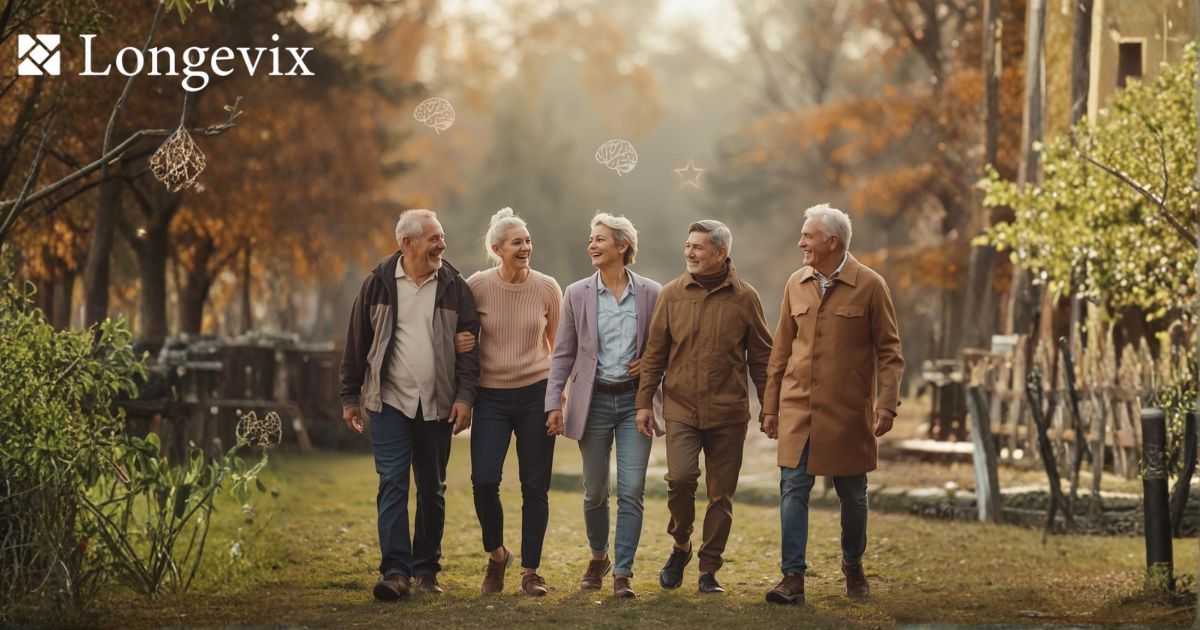
Strong bonds grow through consistency. Shared routines matter more than grand gestures. Walking with a neighbour combines exercise and conversation. Cooking together reinforces relationship quality and better eating.
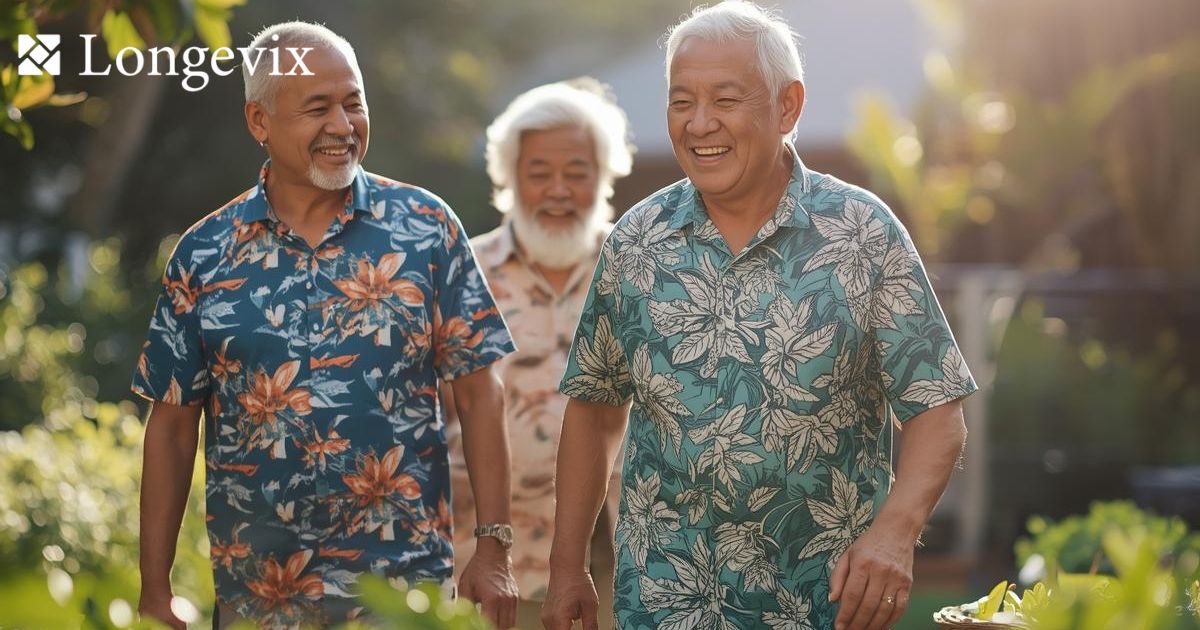
Community classes, volunteering, and clubs foster community involvement. These settings encourage social participation and purpose. Some health programmes pair checkups with a blood test and a social plan, reflecting modern lifestyle medicine. Longevix often discuss this integrated view of health in longevity education. When connection becomes a habit, benefits compound.
Conclusion: Connection as a Daily Health Practice
Social bonds shape health as surely as food or movement. They reduce stress, protect the heart, and slow biological ageing. Science now treats connection as essential care. When you invest in people, you invest in years.
This view aligns with emerging ageing science and the broader shift toward lifestyle medicine. Longevix highlights this balance of biology and behaviour when discussing modern longevity strategies.
Further Reading and Source Context
These external resources provide background or regulatory context. They do not prove that a particular Longevix product produces the health outcomes discussed above.
Frequently asked questions
What does this guide cover?
This guide discusses social connections and longevity: research, available research and practical considerations. It is general educational information rather than personalised medical advice.
Are the proposed health benefits established?
Evidence varies by outcome. Biological mechanisms and early research should not be treated as proof of guaranteed benefits, disease prevention or longer human lifespan.
What should I check before using a supplement?
Read the complete ingredient and allergen information, follow approved product directions, check appropriate testing documents and seek professional advice when relevant.