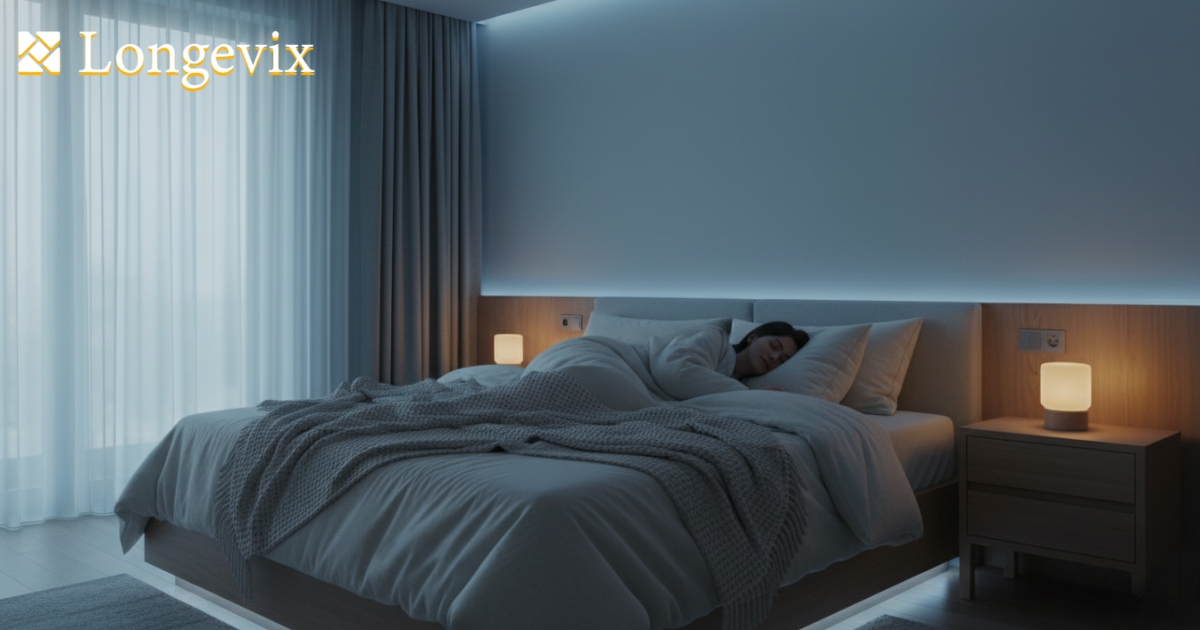
Sleep quietly shapes how long and how well you live. Scientists now agree that the link between sleep and longevity goes far beyond feeling rested. Your body repairs cells, balances hormones, and protects vital organs while you sleep. When rest becomes irregular or excessive, those systems lose rhythm.
Editorial evidence note: This article discusses research and general information, not a diagnosis or a promise that a product will prevent, treat or cure a condition. Clinical questions and supplement suitability require individual professional advice.
Research from the USA and UK shows that both insufficient sleep and oversleeping can raise mortality risk over time. The key lies in balanced sleep duration, stable sleep patterns, and healthy circadian rhythms. Get sleep right, and you support energy, immunity, and healthy ageing for decades ahead.
Why Sleep Is Essential for Longevity and Overall Health
Sleep acts as the body’s overnight repair workshop. During deep rest, tissues recover, hormones reset, and the brain clears waste. Without enough rest, insufficient sleep raises inflammation and weakens immunity. Studies from the NHS and CDC link poor sleep to higher mortality risk over time. Consistent sleep patterns also matter because irregular nights strain organs that thrive on rhythm.
Quality rest also shapes metabolic health. Blood sugar control improves overnight. Appetite hormones stabilise. Even emotional balance benefits. People with stable sleep duration often show better mood control and decision-making. These quiet nightly processes accumulate across decades. That is why sleep sits at the centre of longevity tips promoted by modern preventive medicine.
How Sleep Supports the Body’s Repair and Defence Systems
During slow-wave sleep, cells enter restoration mode. DNA repair increases. Growth hormone peaks. The immune system rehearses its response to future threats. Research using polysomnography parameters confirms deeper sleep improves immune memory. When rest fragments, defences weaken. Over time, this erosion links to all-cause mortality and reduced resilience during illness.
The Science Behind Sleep and Longevity
Large population studies reveal a U-shaped curve between sleep and survival. Both short and long sleepers face higher mortality risk. Data from UK Biobank show adults sleeping seven to eight hours enjoy the lowest risk of early death. Disrupted circadian rhythms amplify danger because internal clocks control blood pressure, digestion, and hormone timing.
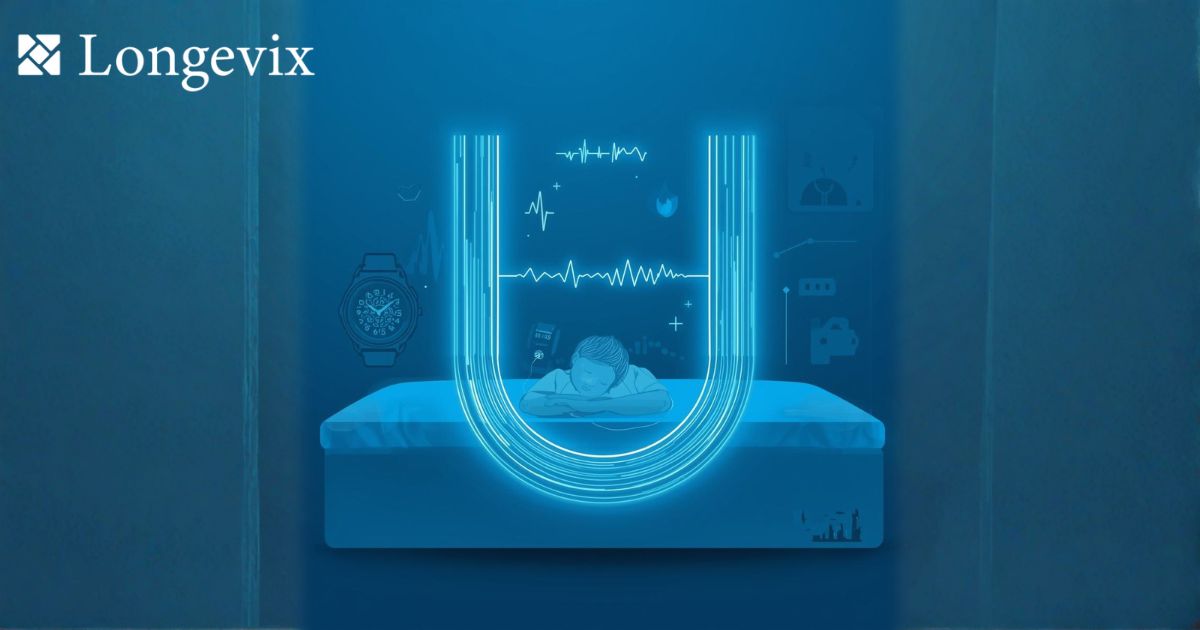
Researchers now measure sleep objectively. Actigraphy measurements track movement over weeks. Lab tests assess brain waves and breathing. These tools show fragmented sleep predicts shorter life expectancy even when total hours look adequate. Longevity depends not only on time asleep but also on sleep efficiency and regular timing.
Can Sleeping Too Much Be Bad for Your Health?
Oversleeping often signals deeper issues. Long sleep links with depression, chronic inflammation, and metabolic disease. Importantly, excess sleep rarely causes illness alone. Instead, it often reflects hidden problems like sleep apnoea risks or persistent fatigue disorders. These conditions disturb oxygen flow and raise strain on the heart.
Long sleepers also show altered blood fats. Studies note poorer lipid profiles, including reduced HDL-cholesterol levels and higher triglycerides. Over years, this pattern raises cardiovascular disease risk. That explains why very long sleep correlates with cancer mortality and metabolic decline in large cohorts.
How Much Sleep Is Too Much? Understanding the Ideal Sleep Duration
Most adults thrive on seven to nine hours nightly. Regularly exceeding nine hours may signal imbalance. Age, genetics, and workload shape needs, yet extremes deserve attention. Long sleep paired with fatigue often points to poor sleep efficiency, not healthy rest.
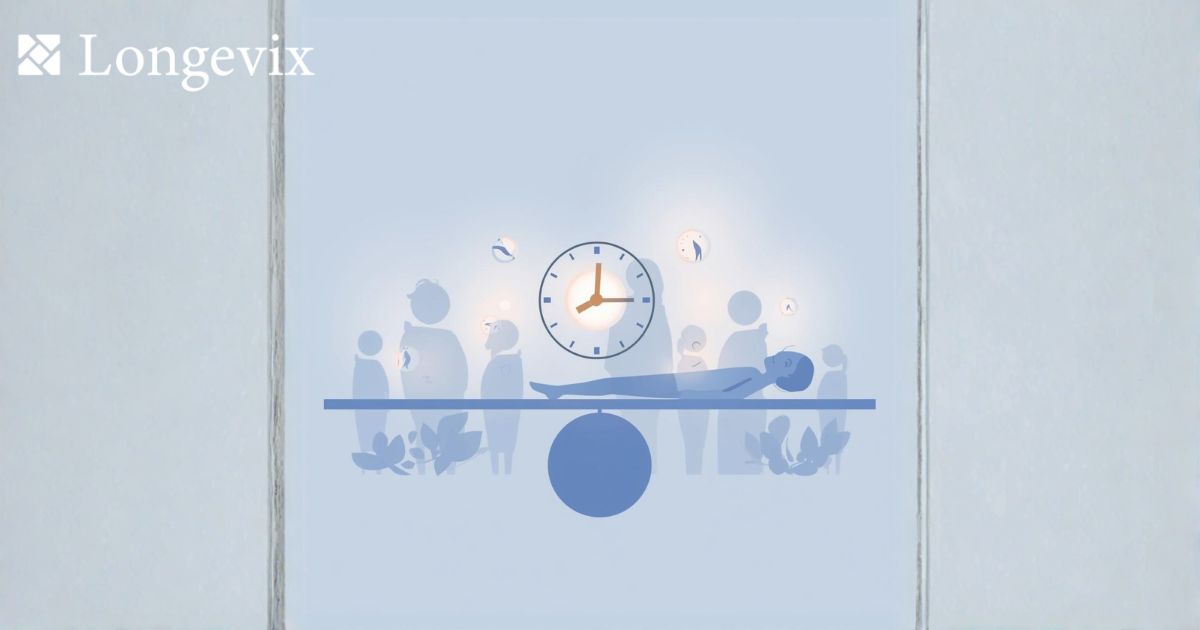
The table below shows general guidance used in the USA and UK.
|
Age Group |
Typical Healthy Range |
When to Investigate |
|
Adults 18–64 |
7–9 hours |
Above 9 hours daily |
|
Adults 65+ |
7–8 hours |
Persistent daytime fatigue |
Sleep quality matters as much as quantity. Stable sleep regularity often predicts better health than chasing extra hours.
Oversleeping vs Sleep Deprivation: Which Is Worse for Longevity?
Both extremes shorten lifespan. Insufficient sleep increases accident risk and metabolic damage. Oversleeping often accompanies illness and inactivity. Research suggests deprivation acts faster, while long sleep reflects slower underlying harm. Either way, imbalance raises all-cause mortality.
Balance protects longevity. People maintaining moderate sleep duration, good exercise, and consistent timing show lower inflammation markers. Their bodies recover efficiently without excess time in bed. Longevity favours moderation, not extremes.
The Best Time to Sleep and Wake Up for a Longer Life
Timing anchors health. Sleeping against internal clocks creates circadian disruption. Late nights combined with early workdays strain hormone cycles. Studies from Harvard show consistent bedtimes improve glucose control and blood pressure.
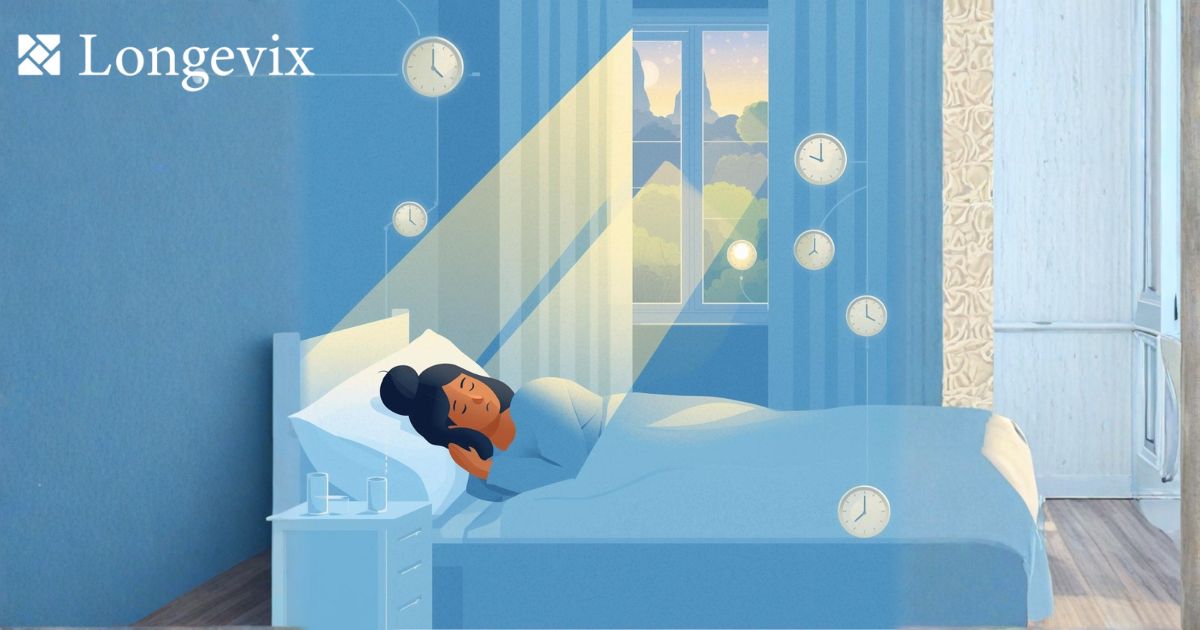
Morning light resets clocks naturally. Evening darkness supports melatonin release. Regular timing strengthens sleep regularity and improves the Sleep Regularity Index (SRI), a predictor of long-term survival. Even weekends benefit from similar schedules.
Are Naps Good or Bad for Long-Term Health?
Short naps refresh the brain. Long daytime sleep often signals poor night rest. Research across Europe shows naps under thirty minutes boost alertness. Longer naps may worsen insomnia symptoms and delay nighttime sleep.
Cultural habits matter. Mediterranean regions nap briefly without harm. In the USA and UK, long naps often accompany sedentary lifestyles. When paired with low physical activity integration, they are associated with metabolic decline rather than recovery.
How Sleep Affects Ageing, Skin Health, and Cellular Repair
Sleep fuels visible youth. Collagen rebuilds during deep rest. Blood flow to skin improves overnight. Chronic poor sleep accelerates wrinkles and dull tone. Scientists link fragmented sleep with oxidative stress that speeds ageing.
Cellular cleanup also peaks at night. The brain’s glymphatic system removes toxins linked to dementia. Over decades, good sleep supports healthy ageing and preserves memory. That is why restorative rest underpins modern anti-ageing strategies.
Signs Your Sleep Routine Is Hurting Your Longevity
Waking tired despite long sleep suggests inefficiency. Brain fog, mood swings, and heavy caffeine use also signal trouble. Irregular sleep patterns weaken resilience. Frequent awakenings may indicate breathing disorders or stress overload.
Blood markers sometimes reveal damage. Poor sleep is associated with higher triglycerides and impaired triglyceride reduction overnight. Combined with inactivity, this pattern increases cardiovascular disease risk quietly over years.
Best Sleep Habits to Improve Longevity and Quality of Life
Longevity favours rhythm. Consistent bedtimes, daylight exposure, and evening calm improve rest quality. Gentle exercise earlier in the day strengthens night sleep. Balanced nutrition supports stable energy rhythms.
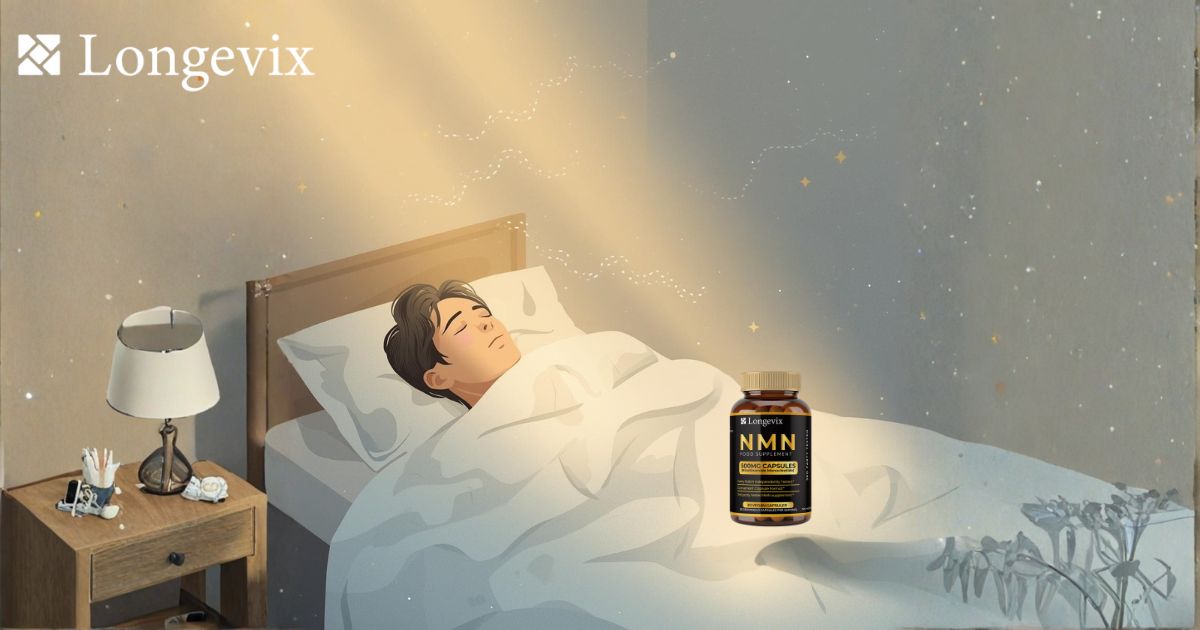
Some people also explore cellular support. Compounds studied for ageing pathways include NAD+ boosters such as an NMN supplement. Longevix focuses on longevity science while emphasising sleep as the foundation. Sustainable habits, not shortcuts, protect lifespan. Longevix highlights that rest remains the cornerstone of all longevity tips.
“Sleep is the golden chain that ties health and our bodies together.”
Final Thought
Is sleeping too much bad for sleep and longevity? Evidence suggests extremes shorten life. Balanced rest, regular timing, and active days protect health best. When sleep feels excessive yet unrefreshing, it signals a need for adjustment, not more hours.
Further Reading and Source Context
These external resources provide background or regulatory context. They do not prove that a particular Longevix product produces the health outcomes discussed above.
Frequently asked questions
How much sleep do you need for longevity?
Most adults live longest with about 7–8 hours of consistent, high-quality sleep each night.
Is 7–8 hours of sleep enough for a long life?
Yes, studies show this range is linked to the lowest mortality risk and better long-term health.
Does sleeping too much reduce lifespan?
Regularly sleeping more than nine hours may signal health issues and is linked to a shorter lifespan in research.
What is the best sleep pattern for longevity?
A regular sleep schedule, with the same bedtime and wake time daily, supports circadian health and longevity.
How does sleep quality affect life expectancy?
Deep, uninterrupted sleep improves repair and immunity, while poor-quality sleep lowers life expectancy even with enough hours.