Healthy ageing starts with habits that protect strength, metabolism, sleep, and independence, yet interest in a NAD supplement for healthy ageing keeps growing. NAD+, or nicotinamide adenine dinucleotide, supports essential cellular energy reactions and many normal cellular processes. That biology makes NAD-related supplements interesting, but it does not prove slower ageing or longer life. Human trials show that some NAD precursors, especially nicotinamide riboside, can raise NAD-related biomarkers in blood. Meaningful health outcomes remain less certain.
This guide explains the science, realistic expectations, Longevix options, UK and US considerations, product testing, and lifestyle foundations so you can judge the category with more confidence and less marketing noise before choosing one.
What Does a NAD Supplement for Healthy Ageing Actually Mean?
The phrase sounds straightforward, but labels can muddy the water. A NAD supplement may contain direct NAD+, a precursor, or several supporting ingredients. Scientists are particularly interested in NAD precursors because your body can process them through pathways that contribute to NAD+ production. However, increasing a biochemical marker isn’t identical to improving healthspan.
That distinction matters when your goal is healthy ageing rather than a temporary wellness trend. Good ageing involves maintaining physical function, metabolic health, independence, sleep, nutrition, and resilience. NAD biology may contribute to this larger picture, but current evidence doesn’t justify presenting an NAD-related supplement as a proven method for reversing or stopping ageing.
NAD+, NR and NMN Are Not the Same Thing
NAD+ is the coenzyme used throughout normal metabolism. Nicotinamide riboside and nicotinamide mononucleotide are different molecules that participate in pathways leading towards NAD+. Treating them as interchangeable can make product comparisons misleading. Longevix explains this distinction further in its NR vs NAD Supplement guide.
Why NAD+ Matters for Cellular Energy and Normal Function
Inside your cells, NAD+ helps transfer electrons during metabolic reactions that convert nutrients into usable energy. Those reactions connect NAD+ closely with cellular energy, normal energy pathways, and the activity of the mitochondria. Without normal NAD metabolism, cells couldn’t handle energy conversion efficiently. That fundamental biology is well established.
NAD+ also participates in enzyme systems associated with signalling and DNA repair. This explains why researchers study NAD biology in relation to ageing. However, a molecule being essential for repair doesn’t mean taking more automatically produces better repair. Human physiology regulates these systems far more intricately than a simple “more NAD equals younger cells” equation.
Think of NAD+ as Part of the Cellular Engine
A useful analogy is an engine rather than a fuel tank. NAD+ helps numerous reactions operate, while nutrients, enzymes, oxygen, sleep, movement, hormones, and metabolic health influence the wider system. Supporting one component may alter a measurable pathway, yet the entire engine still determines your long-term energy balance and wellbeing.

What Human Research Really Says About NAD Supplements
Modern human research gives a more restrained picture than many advertisements suggest. A 2026 systematic review examined 113 eligible studies, including 33 human intervention studies. Oral NR and NMN repeatedly showed biochemical activity by changing circulating NAD-related measurements. Yet effects on functional, vascular, metabolic, and other healthspan outcomes were mixed or frequently absent.
A major 2025 Nature Metabolism review reached a similarly careful conclusion. Researchers found that evidence for age-related NAD decline in humans remains tissue-specific and less comprehensive than commonly implied. Human trials of precursor supplementation have also shown limited clinical efficacy despite promising preclinical biology. In short, interesting science exists, but sweeping anti-ageing claims run ahead of it.
A Biomarker Change Is Not the Same as Feeling Better
This distinction deserves centre stage. Higher blood NAD+ levels can demonstrate biological activity without proving greater energy, sharper memory, slower ageing, or longer life. Longevix increasingly uses a helpful evidence principle: “Mechanism is not an outcome.” Its broader science and evidence information provides useful context for interpreting mechanistic research responsibly.

Do NAD Levels Really Fall as You Get Older?
You will often read that NAD levels inevitably collapse with age. Reality is more nuanced. Several tissues show age-associated changes, but researchers haven’t observed one identical pattern throughout every human tissue. Measurement methods, health status, age range, diet, activity, and tissue type can all influence results.
That nuance doesn’t make NAD research unimportant. It makes interpretation better. Changes in NAD metabolism could still matter biologically even when a single blood measurement doesn’t summarise the entire body. Therefore, common concerns such as fatigue or poor concentration shouldn’t automatically be labelled “low NAD”. Longevix explores this distinction in its Low NAD Symptoms guide.
Different Tissues Can Tell Different Stories
Muscle, liver, blood, brain, and adipose tissue have different metabolic demands. Consequently, a change measured in one location may not represent another. Researchers studying cellular processes therefore examine tissue-specific NAD metabolism rather than relying on one universal number. This is one reason larger and longer human studies remain necessary.
Which Longevix NAD-Related Products Fit This Topic?
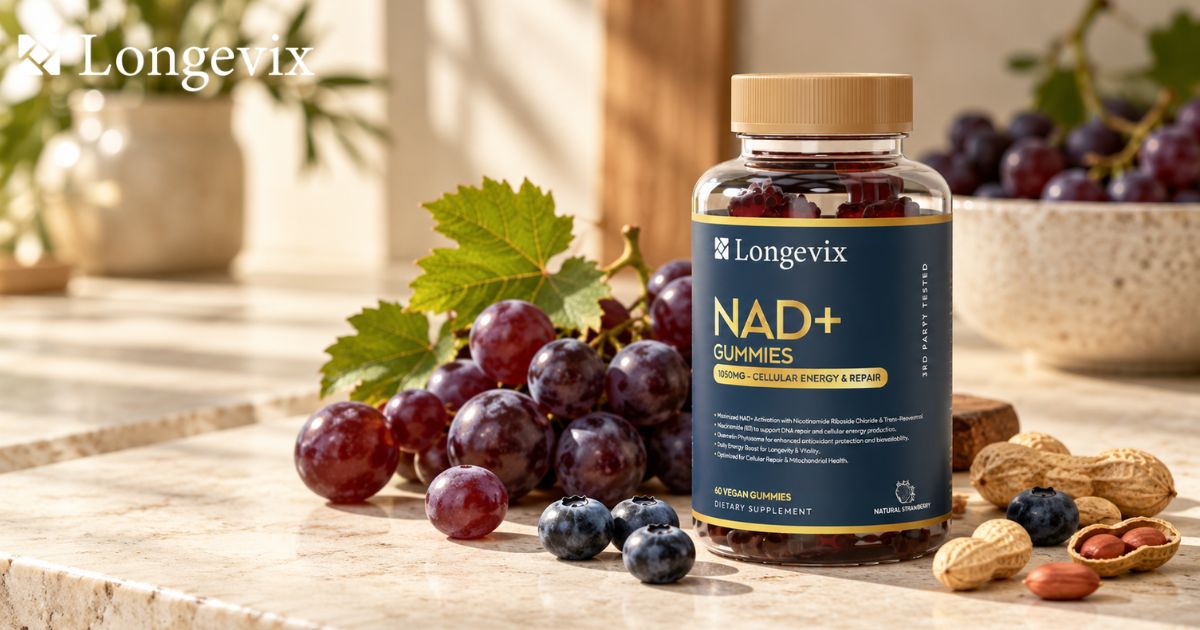
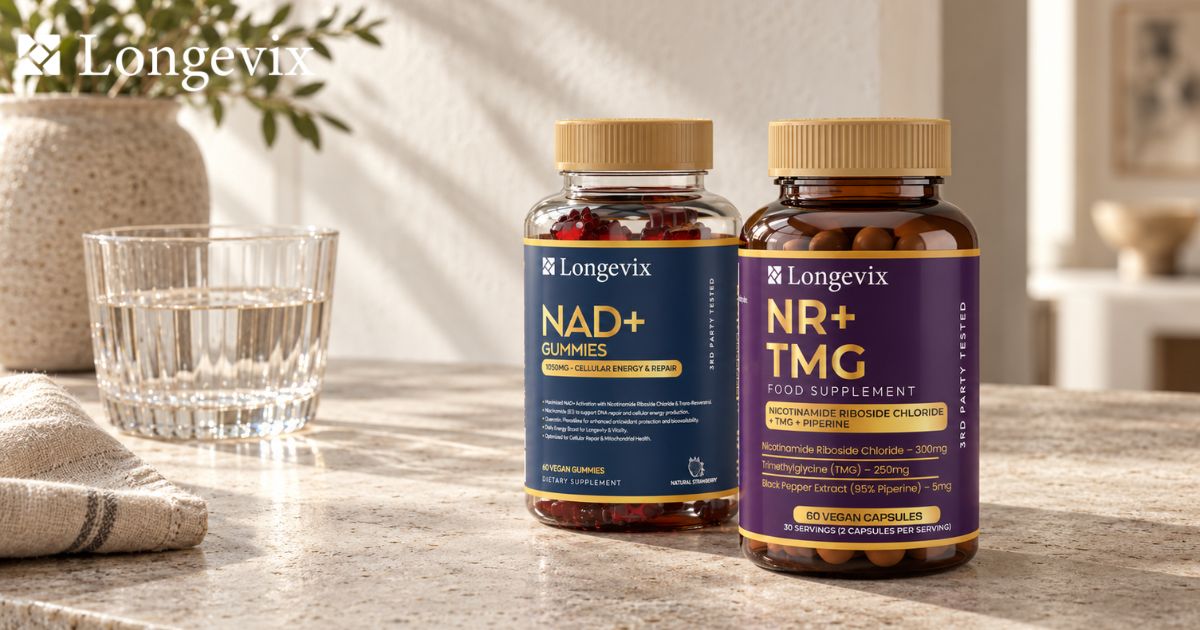
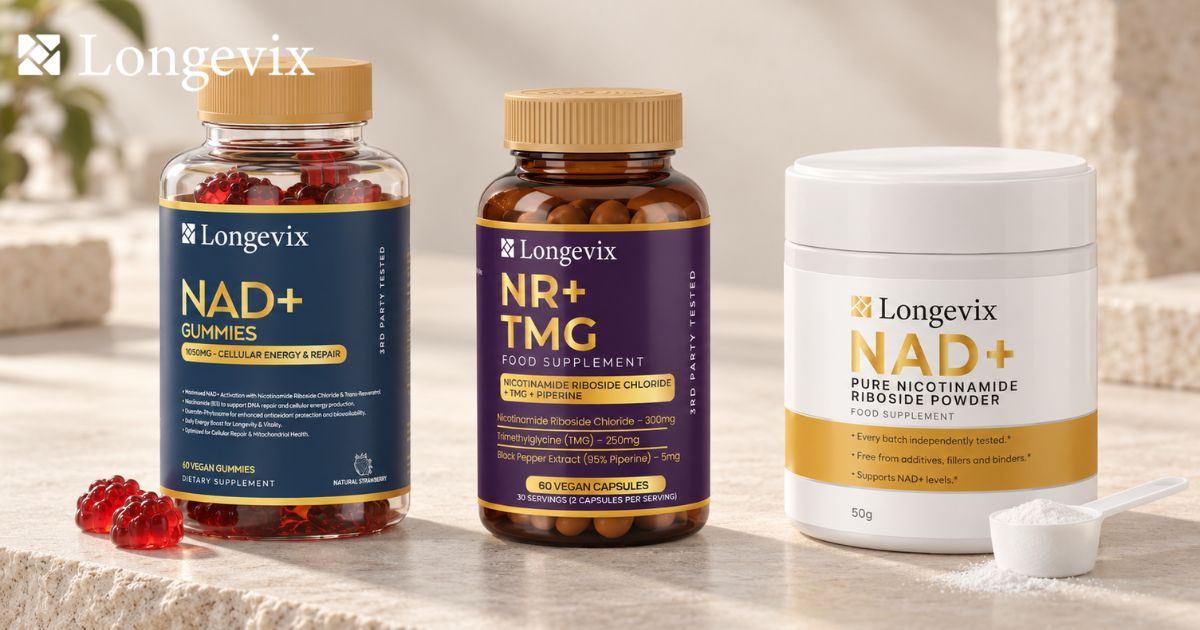
Longevix currently offers several NAD-related formats. For this topic, the closest matches are NAD+ Support Gummies, NR + TMG Capsules, and Pure Nicotinamide Riboside Powder. These aren’t duplicate products. Their ingredient profiles, serving formats, and supporting compounds differ substantially.
The gummies provide 300 mg NR, 250 mg quercetin, 250 mg trans-resveratrol, and 250 mg nicotinamide per two-gummy serving. The NR + TMG Capsules provide 300 mg NR, 250 mg TMG, and 5 mg piperine per two capsules. Longevix’s Pure NR Powder currently lists nicotinamide riboside chloride with a 1,000mg measuring scoop.
|
Longevix product |
Current labelled actives |
Format |
Practical distinction |
|
NAD+ Support Gummies |
300 mg NR, 250 mg quercetin, 250 mg trans-resveratrol, 250 mg nicotinamide |
2 gummies |
Multi-ingredient NAD-support formula |
|
NR + TMG Capsules |
300 mg NR, 250 mg TMG, 5 mg piperine |
2 capsules |
Fixed NR and methyl-donor combination |
|
Pure Nicotinamide Riboside Powder |
Nicotinamide riboside chloride; 1,000mg labelled serving |
Powder |
Single-active, flexible powder format |
Which Formula Makes the Most Sense?
There isn’t enough evidence to declare one format clinically superior for healthy ageing. The gummies offer a multi-active formula, while NR + TMG Capsules provide a simpler fixed combination. Pure NR Powder isolates nicotinamide riboside, although UK readers should note the current GB regulatory dosage issue discussed below before following the 1,000mg labelled serving.
NR, Resveratrol, TMG and Vitamin B3: Why Formulas Differ
Combination formulas can look impressive because several recognised compounds appear together. However, each ingredient has its own biology. NR belongs to the vitamin B3 family and contributes to NAD synthesis. TMG participates in methylation chemistry. Resveratrol and quercetin belong to different polyphenol research areas. One bottle can therefore contain several mechanisms without proving combined clinical synergy.
This point is especially important when reading research. A study examining isolated NR cannot automatically prove that an NR, resveratrol, quercetin, and nicotinamide gummy produces identical outcomes. Likewise, research on a branded NR ingredient shouldn’t quietly become evidence for every finished formula. Product-specific claims need product-specific evidence.
Does TMG Make NR Work Better?
The biochemical pairing is plausible because TMG acts as a methyl donor, while NR metabolism intersects with pathways involving nicotinamide metabolism. However, direct human evidence showing superior healthy-ageing results from taking them together remains limited. The Longevix NR and TMG Supplement guide examines this distinction in greater detail.
How to Judge NAD Supplement Quality Without Falling for Hype
A polished bottle tells you remarkably little. Begin with the precise ingredient name, amount per daily serving, complete formula, directions, warnings, and batch documentation. Then ask whether scientific evidence relates to that ingredient or merely to another compound within the broad NAD category. Transparent labelling makes comparison far easier.
Testing deserves similar care. Longevix currently publishes several product testing documents through its Certificates of Analysis page. A useful COA identifies the sample and lists the tests actually performed. It shouldn’t be treated as proof of contaminants, potency, identity, or purity tests that the report never included.
What Should You Check on a Certificate of Analysis?
Match the product name, batch or lot number, report date, laboratory reference, methods, reported values, specifications, and units against your own product. A certificate covering one batch doesn’t automatically validate every future batch. This traceability approach provides stronger EEAT than a generic “lab tested” badge.

UK NAD Supplement Rules Deserve Particular Attention
Great Britain currently lists nicotinamide riboside chloride as an authorised novel food. The official register specifies up to 300 mg per day in food supplements for the general adult population. This matters because both Longevix NAD+ Support Gummies and NR + TMG Capsules currently provide 300 mg NR per labelled serving. Check the GB authorised novel-food record.
However, Longevix’s current Pure Nicotinamide Riboside Powder page lists a 1,000mg labelled serving. That exceeds the 300 mg/day maximum stated in the current GB authorisation for nicotinamide riboside chloride. UK readers should therefore check the current physical label, applicable regulations, and professional advice rather than assuming the generic 1,000mg labelled serving is appropriate for Great Britain.
What About NMN in Great Britain?
Longevix also lists nicotinamide mononucleotide products. However, the GB Food Standards Agency currently shows a β-NMN novel-food application, RP-2116, as still undergoing risk assessment rather than appearing as an authorised novel food. For a UK-facing healthy-ageing article, NR therefore deserves clearer regulatory emphasis. View the current FSA β-NMN application status.
UK and US Shoppers Should Not Assume the Same Rules Apply
Supplement regulation changes across borders. In Great Britain, the FSA authorised-food register gives specific conditions for NR chloride. US frameworks use different mechanisms. For example, the FDA has previously responded without questions to a GRAS notice concerning specified food uses of nicotinamide riboside chloride, although GRAS status shouldn’t be confused with medicine approval.
NMN illustrates why local checking matters even more. The FDA’s dietary supplement ingredient directory separately lists NMN and references a 2022 New Dietary Ingredient response. Consequently, UK or US shoppers shouldn’t infer regulatory permission from products being available online. Check the current regulator and product category in your own market.
Regulations and Clinical Evidence Answer Different Questions
Regulatory status addresses whether and how an ingredient may be marketed. Clinical research asks whether an intervention produces meaningful effects in people. Neither automatically answers the other. An authorised ingredient isn’t therefore proven to extend lifespan, while an interesting research molecule isn’t automatically authorised for supplement sale everywhere.
Healthy Ageing Still Starts With Lifestyle Foundations
No supplement can compensate neatly for poor sleep, inactivity, smoking, excessive alcohol, or a nutritionally weak diet. A strong balanced diet, regular movement, and good sleep influence multiple systems simultaneously. Those habits also support metabolic health without relying on speculative longevity promises. Supplements should sit beside these foundations rather than replace them.
Nutrition contributes raw materials to NAD metabolism as well. The NHS explains that niacin, or vitamin B3, helps the body release energy from food and occurs in foods including meat, fish, wheat flour, and eggs. Food doesn’t function like a concentrated NR supplement, but diet remains an indispensable part of overall wellbeing. Read the NHS guide to B vitamins and niacin.
Supplements Should Add to a Routine, Not Become the Routine
Think of supplementation as one tile in a mosaic. Exercise supports muscle and cardiovascular capacity. Sleep supports recovery. Nutritious food provides essential substrates. Medical care addresses genuine disease. An NAD-related supplement may influence selected biochemical pathways, but long-term healthy ageing depends on the complete picture rather than one fashionable molecule.

Are NAD Supplements Safe for Everyone?
Short-term trials of oral NR and NMN have generally reported reasonable tolerability, but “generally tolerated” doesn’t mean universally suitable. Study populations, doses, formulations, and durations vary. Long-term evidence remains less complete, especially when several active ingredients are combined. A 2026 systematic review therefore called for larger and longer clinical studies.
Longevix advises users not to exceed the stated recommended daily amount and to consult a qualified healthcare professional when pregnant, breastfeeding, taking medication, or managing a medical condition. Multi-ingredient products deserve particular attention because interactions may relate to any ingredient rather than NR alone.
When Professional Advice Matters Most
Speak with a pharmacist, doctor, or another suitably qualified professional when medicines, planned surgery, pregnancy, breastfeeding, cancer treatment, diagnosed illness, unexplained fatigue, or unusual symptoms enter the picture. Supplements shouldn’t delay assessment of symptoms that could have treatable medical causes.
What a Realistic NAD Healthy-Ageing Routine Looks Like
A realistic approach begins with expectations. NAD-related supplementation can influence NAD metabolism, and oral NR has shown measurable biochemical activity. That finding deserves interest. However, existing trials don’t establish guaranteed improvements in cognition, daily energy, physical performance, disease prevention, or lifespan. Small studies can generate promising signals without settling those larger questions.
For Longevix customers, the practical choice should therefore focus on ingredient identity, current regulations, labelled serving, format preference, testing documentation, and individual suitability. Explore the broader Longevix longevity supplement range and its anti-ageing supplements guide while keeping claims anchored to current evidence rather than marketing optimism.
The Best Question Is Not “Which Product Reverses Ageing?”
A better question asks what the product actually contains, whether the serving aligns with local rules, which human evidence supports that ingredient, and whether the formula suits your routine. That approach protects both your money and expectations. Healthy ageing is a long game. Supplements may become supporting characters, but they shouldn’t be cast as the entire story.
Frequently asked questions
Do NAD supplements actually work?
NR and NMN can alter NAD-related biomarkers in human studies. However, research hasn’t established consistent improvements in ageing, lifespan, energy, cognition, or overall health from those changes.
What are the benefits of NAD supplements?
Potential benefits remain under investigation. NAD biology supports normal metabolism and cellular function, while precursor supplementation can raise certain NAD-related measurements. Meaningful healthy-ageing benefits in people remain inconclusive.
Are NAD supplements safe?
Short-term oral NR and NMN research generally suggests reasonable tolerability, but long-term evidence is less complete. Check individual ingredients and speak with a healthcare professional when medicines or medical conditions are involved.
What is the best NAD supplement to take?
No NAD-related format has been proven universally best for healthy ageing. Compare ingredient identity, human evidence, serving amount, local regulations, batch documentation, safety, and the complete formula before choosing.
How long does it take for NAD supplements to work?
Research can detect changes in NAD-related biomarkers within weeks in some studies, but noticeable benefits aren’t guaranteed. There is no scientifically established timeline for feeling younger, gaining energy, or slowing ageing.