Resveratrol has become one of the most discussed compounds in modern longevity research. Found naturally in grapes, berries, and peanuts, it belongs to a group of plant compounds called polyphenols. Scientists study its effects on cellular processes, energy metabolism, and inflammation. That research sounds exciting, although the evidence needs careful interpretation.
Human studies suggest potential effects on several metabolic and cardiovascular markers. However, they haven't proved that resveratrol reverses ageing or extends human lifespan. Understanding resveratrol for healthy ageing therefore means separating promising biology from proven outcomes. This guide examines the human evidence, dosage research, safety, bioavailability, and its place within a realistic healthy-ageing lifestyle.
What Is Resveratrol, and Why Is It Linked to Healthy Ageing?
Resveratrol is a naturally occurring stilbene found in certain plants. It forms part of the wider family of polyphenols, compounds widely studied in nutrition science. Plants can produce resveratrol when facing infection, injury, or environmental stress. Researchers became interested because it interacts with pathways connected with metabolism, stress adaptation, and ageing biology.
Yet its scientific reputation has travelled further than the clinical evidence. Laboratory experiments link resveratrol with sirtuins, metabolic signalling, oxidative stress, and calorie-restriction biology. Those mechanisms make it worth studying. They don't demonstrate that supplementation prolongs human life. Longevix follows the same evidence distinction on its Science and Evidence page. Longevix Science and Evidence page
Where Does Resveratrol Come From?
Grape skins, blueberries, cranberries, peanuts, and several other plants contain small amounts of resveratrol. Red wine contains some too. However, wine shouldn't be treated as a health delivery system. Dietary exposure also differs greatly from concentrated supplements, where researchers may use hundreds of milligrams rather than food-level amounts.
Why Did Resveratrol Become a Longevity Celebrity?
Early excitement grew around calorie-restriction pathways and sirtuin research. Scientists also investigated effects on energy metabolism and cellular adaptation. These discoveries created a compelling longevity narrative. However, a compound that alters biochemical signalling hasn't automatically improved healthspan. Molecular activity provides a reason for research rather than proof of a longer human life.
Healthy Ageing Is Different From “Anti-Ageing”
The distinction matters more than wording suggests. Healthy ageing means supporting function, resilience, independence, and health across later life. Anti-ageing language often implies reversal. Current research hasn't established that resveratrol can remove years from someone's biological age or reverse the ageing process. Careful terminology keeps promising science separate from exaggerated claims.
How Does Resveratrol Work in the Body?
Resveratrol doesn't act through one simple pathway. Researchers examine its influence across many cellular processes, including metabolic signalling and oxidative balance. Attention often centres on sirtuins, AMPK, and cellular stress responses. These pathways interact like parts of a network. Changing one signal doesn't guarantee a visible or clinically meaningful outcome.
NAD+ adds another piece to this puzzle. Sirtuin enzymes depend on NAD+ for their activity. This explains why resveratrol often appears beside discussions about NAD+ levels and ageing. However, resveratrol isn't one of the NAD+ precursors. Compounds such as NR and NMN occupy that different biochemical category.
Resveratrol, SIRT1 and Sirtuin Signalling
SIRT1 belongs to a family of enzymes called sirtuins. These enzymes participate in metabolic regulation, gene expression, and cellular adaptation to stress. Experimental research connects resveratrol with SIRT1-related signalling. However, the pathway is complex. Influencing SIRT1 doesn't establish that taking resveratrol produces a measurable longevity benefit in people.
NAD+, Mitochondria and Cellular Energy
NAD+ participates in redox reactions that help cells process nutrients and produce usable energy. It also supports enzymes involved in cellular signalling. Meanwhile, mitochondrial function influences energy production and metabolic resilience. These connections make NAD+ biology interesting in ageing research. They don't prove that combining resveratrol with an NAD+ precursor creates superior clinical results.
What About DNA Repair?
NAD+ serves as a substrate for enzymes involved in responses to DNA damage, including PARP enzymes and sirtuins. This connection places NAD+ biology near discussions of DNA repair and genome maintenance. However, that mechanism shouldn't become the claim that resveratrol “repairs DNA”. Human supplementation studies haven't established such a direct clinical outcome.
Oxidative Stress and Inflammatory Signalling
Resveratrol is frequently described as antioxidant and anti-inflammatory in experimental research. Human studies have also measured markers related to oxidative stress and inflammation. Still, biomarkers require context. Changes in laboratory measurements don't automatically mean disease prevention, slower ageing, or longer life. Clinical importance depends on the population, effect size, and outcome.
Resveratrol for Healthy Ageing: What Does Human Research Actually Show?
Human evidence provides a more grounded picture. A 2026 umbrella review assessed 45 systematic reviews covering 129 associations and 68 health outcomes. Only four statistically significant associations received high-certainty GRADE ratings. These involved waist circumference, total cholesterol in overweight adults, and systolic and diastolic blood pressure among people with type 2 diabetes.
This doesn't mean resveratrol lacks biological effects. Instead, it shows why human trials need careful interpretation. Moderate-certainty evidence suggested possible effects on glucose metabolism, endothelial function, working memory, liver fat, kidney-related measures, and inflammatory markers. Yet researchers also identified substantial variation between populations, doses, outcomes, and study designs.

What Do Randomised Controlled Trials Tell Us?
Randomised controlled trials reduce several forms of bias by comparing interventions under structured conditions. However, trials still differ considerably. Resveratrol studies use different doses, formulations, durations, and participant groups. A result observed in people with type 2 diabetes cannot automatically predict what happens in healthy younger adults taking the same compound.
Metabolic Health and Insulin Sensitivity
Metabolic studies frequently examine blood glucose and insulin sensitivity because these measures can change with age and metabolic disease. The 2026 umbrella review found moderate-certainty evidence for some glucose-related effects. However, those results varied between populations. Resveratrol shouldn't replace established medical treatment, balanced nutrition, physical activity, or appropriate monitoring.
Cardiovascular Health: Promising but Population-Specific
Several studies investigate possible cardiovascular benefits, including changes in blood pressure and endothelial function. The strongest 2026 evidence for blood-pressure reduction concerned people with type 2 diabetes. That distinction matters. A statistically significant finding in one clinical population doesn't prove that healthy adults will experience the same cardiovascular response.
Research Example: Exercise in Older Adults
One small randomised study involved 30 adults aged 65–80. Everyone completed 12 weeks of exercise. Participants received either 500 mg resveratrol daily or placebo. The resveratrol group showed greater improvements in several muscle and mitochondrial measures. However, the trial doesn't prove that resveratrol alone preserves muscle mass because both groups exercised.
Research Example: Visible Skin Ageing
A 2025 trial enrolled 134 healthy women aged at least 40, with 122 completing it. Researchers tested oral and topical trans-resveratrol over eight weeks. Combined treatment reduced wrinkle scores compared with placebo. Most other measured skin parameters showed no significant difference. Visible skin changes also shouldn't be interpreted as slower whole-body ageing.
What Does Research in Older Adults Show Overall?
A 2024 systematic review included ten randomised trials in older adults. Some studies suggested benefits for exercise adaptation, mobility, or cognition in selected groups. Other populations showed little advantage over placebo. Crucially, the review concluded that optimal dosage, medication interactions, long-term effects, and long-term safety still require better research.
Human Evidence at a Glance
|
Research area |
What the evidence suggests |
What it does not prove |
|
Blood pressure |
Stronger evidence exists in people with type 2 diabetes |
Universal blood-pressure improvement |
|
Cholesterol |
Total cholesterol may decrease in some overweight adults |
Prevention of cardiovascular disease |
|
Glucose metabolism |
Some evidence suggests metabolic effects |
Treatment or prevention of diabetes |
|
Exercise and muscle |
Some exercise trials report improved functional measures |
Preservation of muscle mass without exercise |
|
Cognitive function |
Encouraging signals appear in selected groups |
Prevention or treatment of dementia |
|
Skin appearance |
A recent trial found reduced wrinkles under specific conditions |
Slower systemic ageing |
|
Human lifespan |
Direct lifespan extension hasn't been demonstrated |
Longer life or age reversal |
Can Resveratrol Really Slow Ageing or Extend Human Lifespan?
This question deserves a direct answer. Current human evidence hasn't shown that resveratrol can slow ageing throughout the body. Researchers also haven't demonstrated longer human lifespan from supplementation. Trials measuring blood pressure, glucose, cognition, wrinkles, or inflammatory markers answer narrower questions. None provides direct evidence that people live longer.
This evidence boundary also matches Longevix's current scientific framework. Its Science page states that mechanistic resveratrol findings shouldn't become claims about slower ageing or extended human lifespan. That distinction is especially important in longevity content, where an exciting pathway can easily become a much larger promise than the evidence supports. Longevix Science and Evidence page
Why Animal Longevity Studies Aren't Human Proof
Animal experiments help scientists explore mechanisms and generate hypotheses. However, humans differ from mice and other laboratory organisms in metabolism, lifespan, environment, disease patterns, and exposure. Laboratory conditions can also control genetics and diet closely. Longer survival in an animal model therefore cannot establish equivalent lifespan effects in humans.
Biomarkers Aren't Birthdays
Biomarkers can change within weeks or months. Lifespan develops across decades. Blood pressure, blood glucose, inflammatory proteins, and molecular ageing measures may still provide useful information. Yet a favourable biomarker isn't automatically proof of longer survival. Even changes in estimated biological age require validation against meaningful health outcomes over time.
Where the Hype Runs Ahead
Terms such as “reverse ageing” and “activate longevity genes” compress complicated biology into neat marketing promises. Real ageing involves many interacting systems. Resveratrol can influence biological pathways without reversing them all. Its value as a research compound doesn't depend on presenting it as a botanical fountain of youth.
The Evidence-Based Verdict
Resveratrol has genuine biological activity and a substantial research record. Selected metabolic and vascular findings look more convincing than lifespan claims. Therefore, resveratrol for healthy aging belongs within a cautious healthspan conversation. Current science doesn't support presenting it as a proven life-extension treatment or a method to reverse human ageing.
Why Trans-Resveratrol and Bioavailability Matter
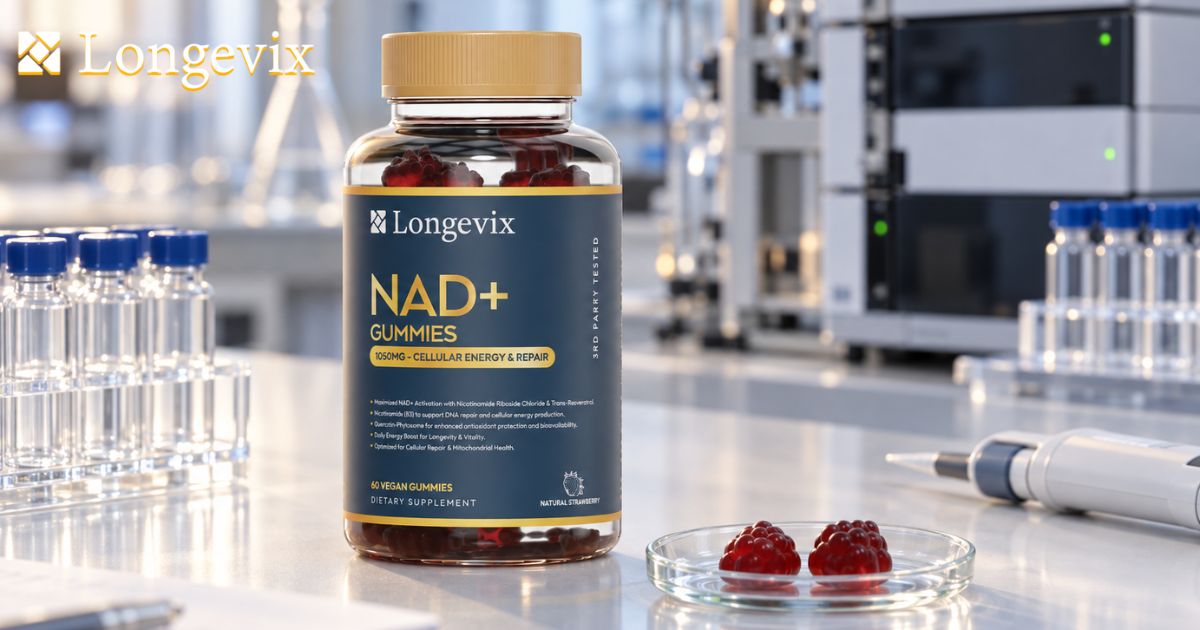
Form matters when reading resveratrol research. Supplements commonly contain trans-resveratrol, which is the isomer most frequently examined in clinical studies. After oral intake, resveratrol undergoes extensive metabolism. The body rapidly converts much of it into glucuronide and sulphate conjugates. This explains why absorption and oral bioavailability shouldn't be treated as identical concepts.
A landmark human pharmacokinetic study illustrates the difference. Six participants received 25 mg of labelled resveratrol. Researchers estimated absorption at least 70%, yet circulating unchanged resveratrol remained very low. Rapid metabolism explained much of this difference. The study was small, but it remains useful for understanding resveratrol pharmacokinetics.
Trans-Resveratrol vs Cis-Resveratrol
Trans-resveratrol and cis-resveratrol contain the same atoms arranged differently around a chemical bond. Most supplement research focuses on the trans form. However, greater research attention doesn't automatically prove better healthy-ageing outcomes. Clinical relevance still depends on the dose, formulation, participant population, study length, and outcome being measured.
What Happens After You Swallow Resveratrol?
Think of digestion as a busy transport hub. Resveratrol can cross the intestine, yet metabolic enzymes quickly modify much of it. Sulphate and glucuronide metabolites then become more abundant in circulation than unchanged resveratrol. Researchers continue studying whether those metabolites contribute meaningfully to biological effects in human tissues.
Does Low Bioavailability Mean Resveratrol Is Useless?
No. Low circulating concentrations of unchanged resveratrol don't prove biological inactivity. Metabolites may contribute to some effects, while tissue exposure may differ from a simple blood measurement. However, uncertainty works both ways. Pharmacokinetic possibilities don't prove that resveratrol metabolites produce clinically meaningful healthy-ageing benefits.
Does a Higher Dose Solve the Problem?
Higher doses increase exposure, but they don't guarantee better outcomes. In one 29-day study, healthy adults received 500, 1,000, 2,500, or 5,000 mg daily. The two highest doses caused more mild-to-moderate gastrointestinal symptoms, including nausea, abdominal discomfort, flatulence, and diarrhoea.
|
Concept |
Meaning |
Why it matters |
|
Absorption |
Resveratrol crosses the intestinal barrier |
Absorption can be relatively high |
|
Bioavailability |
Unchanged resveratrol reaches systemic circulation |
Free circulating resveratrol remains low |
|
Metabolism |
The body converts resveratrol into metabolites |
Metabolites dominate blood exposure |
|
Formulation |
The product changes how an ingredient is delivered |
Greater exposure doesn't guarantee greater benefit |
|
Dose |
The quantity consumed |
Very high doses can reduce tolerability |
Resveratrol Dosage: What Have Human Studies Actually Used?
There is no single research dose for resveratrol. A broad review of clinical trials found oral doses ranging from about 5 mg to 5,000 mg daily. Most study groups received 1,000 mg or less. Such enormous variation doesn't reveal an ideal anti-ageing amount. Instead, it shows that effective dosing remains outcome-specific and uncertain.
A second distinction is equally important. A dose used in research isn't automatically a personal recommendation. A supplement serving also isn't proof of efficacy. Researchers choose doses to answer specific questions in particular populations. Healthy adults shouldn't assume that increasing their intake will strengthen longevity effects when those outcomes haven't been demonstrated.
What Dose Range Appears in Human Research?
Clinical trials have examined resveratrol from very small doses through several grams daily. Around 500 mg and 1,000 mg have appeared frequently in published trials. However, those studies investigate different conditions and endpoints. Meaningful comparison requires looking at participant health, formulation, study duration, and measured outcome alongside the dose.
Is There a Proven Anti-Ageing Dose?
No scientifically established dose has been shown to delay whole-body human ageing or extend lifespan. Researchers can identify amounts associated with particular short-term outcomes, but that isn't equivalent to finding an anti-ageing dose. Any claim of a universal “longevity dose” would go beyond the available human evidence.
Does More Resveratrol Work Better?
Not necessarily. Biological responses often don't increase in a straight line with dose. Higher intake can change exposure without improving the desired outcome. It may also increase digestive problems. One 29-day trial observed more gastrointestinal complaints at 2.5 and 5 grams daily, illustrating why “more” shouldn't automatically mean “better”.
How Long Do Studies Last?
Duration deserves as much attention as dose. An eight-week study can examine short-term skin measurements. Twelve weeks may reveal exercise adaptations. Neither design can establish effects on decades of ageing. Short trials remain useful for specific endpoints, but researchers cannot reasonably extrapolate them into claims about lifespan.
Research Dose Context
|
Research example |
Amount studied |
Duration |
What it can reasonably address |
|
Human absorption study |
25 mg |
Single exposure |
Absorption and metabolism |
|
Older-adult exercise trial |
500 mg/day |
12 weeks |
Exercise-related muscle and mitochondrial measures |
|
Repeated-dose safety study |
500–5,000 mg/day |
29 days |
Short-term pharmacokinetics and tolerability |
|
Longevix labelled serving |
250 mg trans-resveratrol |
Two gummies daily |
Product serving amount, not proven anti-ageing efficacy |
Resveratrol Safety, Side Effects and Drug Interactions
Natural compounds can still cause side effects or interact with medicines. Human trials generally report reasonable short-term tolerability at many studied doses. However, higher doses increase concern about gastrointestinal symptoms. Evidence becomes thinner when considering continuous use for years, which leaves important questions about long-term safety unresolved.
Medication interactions deserve particular care. In one clinical study, 42 healthy adults took one gram daily for four weeks. Researchers found changes in several CYP enzymes involved in drug metabolism. This doesn't prove that every medication will interact with resveratrol, but it provides a credible reason to seek professional advice before combining high-dose supplements with medicines.
What Side Effects Can Resveratrol Cause?
Higher supplemental doses can cause nausea, abdominal discomfort, flatulence, and diarrhoea. In a 29-day dose-ranging study, these problems occurred more often at 2.5 and 5 grams daily. Most were mild or moderate. Importantly, short-term tolerability at a studied dose doesn't automatically establish safety during years of regular use.
Can Resveratrol Interact With Medicines?
Potential interactions involve more than one mechanism. Research suggests high supplemental doses may alter certain CYP enzymes that process medicines. A review of drug-interaction evidence therefore advised caution when high-dose resveratrol is combined with other medication. The clinical importance can vary considerably by medicine, dose, and individual circumstances.
What About Anticoagulants?
Laboratory research suggests resveratrol can influence platelet-related processes. That creates a reasonable safety concern for people taking anticoagulant drugs or antiplatelet medicines, although clinical interaction data remain limited. Anyone using medicines that affect bleeding or clotting should discuss resveratrol with a doctor or pharmacist before adding a concentrated supplement.
Who Should Ask for Professional Advice?
Pregnancy, breastfeeding, prescription medicines, medical conditions, and planned surgery all justify extra caution. Longevix's current product guidance likewise advises consulting a qualified healthcare professional when pregnant, breastfeeding, taking medication, or managing a medical condition. It also states that users shouldn't exceed the recommended daily amount.

UK and US Supplement Rules Matter
UK rules treat food supplements differently from medicines. Foods cannot claim or imply that they treat, prevent, or cure disease. In the United States, the FDA doesn't approve dietary supplements for safety and effectiveness before marketing. Companies remain responsible for compliant products and truthful claims.
“Be wary of hype. Sound health advice is generally based upon research over time, not a single study.” — U.S. FDA
How Resveratrol Fits Into Longevix NAD+ Support Gummies
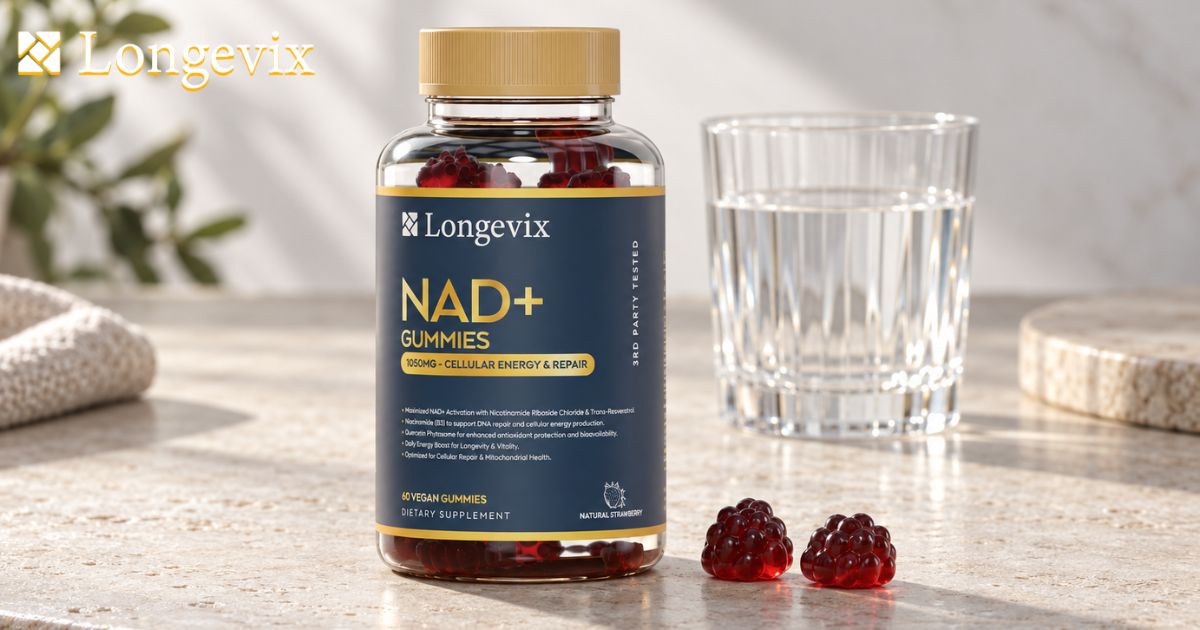
Resveratrol has a defined role within the current Longevix range. Longevix NAD+ Support Gummies provide four labelled active ingredients per two-gummy serving: 300 mg nicotinamide riboside, 250 mg quercetin, 250 mg trans-resveratrol, and 250 mg nicotinamide. The current bottle contains 60 gummies, equal to 30 labelled servings. Longevix NAD+ Support Gummies
Precision matters here. These gummies contain NR rather than nicotinamide mononucleotide. Both NR and NMN are commonly discussed as NAD+ precursors, although they follow different biochemical steps and have different research histories. Longevix explicitly advises against describing them as interchangeable without considering the evidence and formulation.
What Is Actually in the Current Formula?
The live product page states a serving size of two gummies and 30 servings per bottle. It also tells customers to use the physical product label as the authoritative source for complete formulation details and directions. This is sensible because online information can change and labels provide batch-relevant product information.
|
Active ingredient |
Amount per two-gummy serving |
Scientific context |
|
nicotinamide riboside |
300 mg |
NAD+ precursor |
|
Quercetin |
250 mg |
Plant flavonoid |
|
Trans-resveratrol |
250 mg |
Plant polyphenol used in human research |
|
Nicotinamide |
250 mg |
Vitamin B3 form involved in NAD+ metabolism |
Why Include Trans-Resveratrol?
Trans-resveratrol gives the formulation a plant-derived compound studied in metabolic, vascular, and cellular research. However, its presence doesn't demonstrate age reversal, longer lifespan, or enhanced NR effects. Research on isolated resveratrol also cannot automatically establish the clinical effects of a finished multi-ingredient gummy formulation.
NR, NMN and Resveratrol Aren't the Same Thing
nicotinamide riboside and nicotinamide mononucleotide both participate in biochemical routes associated with NAD+ production. Resveratrol isn't an NAD+ precursor. Researchers instead study it across signalling pathways that may intersect with NAD+-dependent biology. Keeping these roles separate prevents a plausible pathway story from becoming an inaccurate product claim.
Does Combining Four Ingredients Prove Synergy?
Combining ingredients in one serving doesn't, by itself, establish clinical synergy. A finished-product trial would be needed to show whether the complete formulation performs differently from its individual components. Longevix's evidence-led NR Gummies guide also distinguishes ingredient rationale from finished-product clinical proof. Longevix evidence-led NR Gummies guide
Readers researching NMN combinations can separately explore Resveratrol With NMN: Smart Pairing for Healthy Ageing. That article addresses a different question and shouldn't be confused with the current gummy formulation, which contains NR rather than NMN. Resveratrol With NMN: Smart Pairing for Healthy Ageing
Why Testing Documents Matter
Longevix links testing documentation for its NAD+ Support Gummies and advises customers to match the document with the relevant product and batch. Testing can support transparency around a product or batch. However, a certificate isn't clinical evidence that a supplement improves healthspan or extends life. Those questions require appropriate human studies.
The Longevix Certificates page provides the current testing-document index. Product verification and clinical efficacy answer different questions, so they shouldn't be merged. A testing report can provide information about a batch. It cannot demonstrate a meaningful health outcome unless the finished product itself undergoes suitable clinical investigation. Longevix Certificates page
Where Does Resveratrol Fit in a Healthy-Ageing Lifestyle?
A supplement shouldn't become the centre of healthy ageing. Regular movement, good sleep, a varied diet, tobacco avoidance, sensible alcohol intake, and appropriate healthcare have broader evidence behind them. Resveratrol may interest some people, but supplements work best as supporting players. The foundation remains a sustainable evidence-based lifestyle.
That perspective also avoids false choices. You don't need to think in terms of berries versus supplements or exercise versus resveratrol. Whole foods provide fibre, micronutrients, and thousands of plant compounds. Physical activity affects several organs simultaneously. No single supplement can recreate that broad physiological stimulus.
Start With Food Quality
Foods rich in polyphenols include berries, grapes, tea, cocoa, herbs, and many colourful plant foods. These provide complex nutritional mixtures rather than isolated resveratrol alone. Longevix explores the wider relationship between polyphenols and healthy ageing in its existing gut-health guide. Longevix polyphenols and gut-health guide
Exercise Still Does More Heavy Lifting
Resistance and aerobic exercise influence cardiovascular fitness, glucose regulation, balance, strength, and mitochondrial function. Those adaptations span many systems. Resveratrol-plus-exercise trials remain scientifically interesting, but they shouldn't distract from exercise itself. When an intervention works across muscles, heart, metabolism, and mobility, consistency matters more than novelty.
Sleep and Recovery Are Part of Longevity Biology
Sleep supports cognition, appetite regulation, metabolic health, and immune function. Persistent sleep loss can undermine otherwise healthy routines. A sophisticated supplement plan won't compensate for chronically poor recovery. Many strong healthy-ageing habits look ordinary because they work through repetition rather than dramatic short-term effects.
Think About Healthspan Before Lifespan
Healthspan describes the years spent functioning well rather than simply being alive. Mobility, metabolic health, strength, cognitive function, and independence all contribute. This makes healthspan a useful lens for assessing resveratrol research. A meaningful outcome should improve something relevant to people rather than merely change an interesting laboratory marker.
Where Could Supplementation Fit?
Anyone considering resveratrol should look at formulation, serving size, medicines, product testing, personal goals, and realistic expectations. A supplement can sit within an evidence-based lifestyle, but it shouldn't replace treatment, nutritious food, exercise, or professional advice. Product decisions make more sense when the evidence and limitations remain visible together.

Resveratrol for Healthy Ageing: Promising Science, Not a Fountain of Youth
Resveratrol deserves scientific interest without mythology. Researchers continue examining its effects on metabolism, vascular function, inflammatory pathways, sirtuin signalling, and other aspects of ageing biology. Some human findings are encouraging in particular populations. However, current evidence doesn't show that resveratrol reliably lowers biological age, reverses ageing, or extends human lifespan.
The most useful position lies between hype and dismissal. Examine who participated in each study, what dose they received, how long treatment lasted, and what researchers actually measured. Keep supplementation inside a broader evidence-based lifestyle. Above all, judge resveratrol by human outcomes rather than by attractive mechanisms alone.
Selected Scientific Sources and Further Reading
|
Source |
Why it matters |
|
Sun JN et al., Nutrition Journal, 2026 |
Umbrella review of 45 systematic reviews and 68 health outcomes. |
|
Yadegar S et al., Phytotherapy Research, 2024 |
Systematic review examining effects and safety in older adults. |
|
Walle T et al., 2004 |
Human pharmacokinetic study examining absorption and bioavailability. |
|
Brown VA et al., 2010 |
Dose-ranging study examining short-term safety and pharmacokinetics. |
|
Alway SE et al., 2017 |
Exercise and resveratrol trial involving older men and women. |
|
Rao A et al., 2025 |
Randomised trial examining oral and topical trans-resveratrol for skin ageing. |
|
Chow HH et al., 2010 |
Human study examining effects on drug-metabolising enzymes. |
|
U.S. FDA |
Current consumer information about dietary supplement safety and regulation. |
|
UK Government |
Current guidance on food supplements and permitted claims. |
Important information: This article provides general educational information. It doesn't replace personalised medical advice, diagnosis, or treatment. Food supplements shouldn't replace a varied, balanced diet and healthy lifestyle. Speak with a qualified healthcare professional if you take medicines, manage a medical condition, are pregnant or breastfeeding, or have concerns about supplement safety.
Further Reading and Source Context
These external resources provide background or regulatory context. They do not prove that a particular Longevix product produces the health outcomes discussed above.
Frequently asked questions
What is the safe daily dose of resveratrol for anti-ageing?
There is no scientifically established anti-ageing dose of resveratrol. Human research has used a wide range of doses for different purposes. Follow the product label and seek professional advice before using higher amounts, especially when medicines or health conditions are involved.
Is there scientific evidence that resveratrol works for anti-ageing?
Human research suggests possible effects on selected metabolic, vascular, and inflammatory outcomes. However, those findings don't prove that resveratrol reverses human ageing. Current evidence supports studying particular health outcomes rather than describing resveratrol as a proven anti-ageing treatment.
Does resveratrol actually slow ageing or extend lifespan in humans?
No convincing human evidence currently demonstrates that resveratrol can slow ageing or extend lifespan. Much of the longevity narrative comes from laboratory, animal, and mechanistic research. Human trials have mainly examined shorter-term biomarkers and clinical outcomes rather than lifespan itself.
Can resveratrol interact with medications, especially blood thinners?
Potential interactions are possible. Higher-dose resveratrol can influence some drug-metabolising enzymes, while experimental findings also raise questions about platelet activity. People taking blood thinners, antiplatelet medicines, or other regular medication should consult a qualified healthcare professional before supplementation.
What are the side effects of taking resveratrol supplements?
Resveratrol is often tolerated in short human studies, but higher doses can cause nausea, diarrhoea, abdominal discomfort, flatulence, and other gastrointestinal symptoms. Evidence about continuous long-term use remains more limited, so short-term tolerability shouldn't be treated as proof of lifelong safety.