Ageing is not a sudden event. It unfolds quietly through complex biological shifts that influence how long and how well you live. The science of ageing explores why cells lose resilience, how tissues repair more slowly, and what pushes the body toward decline.
Modern research focuses on longevity and healthspan, not just adding years but improving their quality. Scientists studying cellular senescence now understand how lingering damaged cells accelerate age-related diseases. This growing field blends biology, lifestyle science, and innovation to uncover practical ways of extending healthy lifespan. As knowledge expands, ageing is no longer seen as fate but as a process shaped by informed choices and proactive care.
What Is Ageing?
Ageing begins at the cellular level, long before wrinkles appear. Cells divide, repair damage, and then reach a point where division stops. Scientists call this cellular senescence. These older cells stay alive but send stress signals that affect nearby tissue. This process sits at the core of the biology of ageing and drives many age-related diseases. Research shows that ageing follows a life course approach, shaped by genes, nutrition, stress, and early environment. This explains why life expectancy varies across populations and lifestyles.
Ageing is not random chaos. Many pathways show evolutionary conservation, meaning they appear in yeast, worms, mice, and humans. This insight powers healthy ageing research and fuels interest in extending healthy lifespan. According to the National Institute on Ageing, slowing biological ageing could delay multiple diseases at once. That idea sits at the heart of modern preventative medicine.
The Role of the Gut and the “Second Brain” in the Ageing Process
Your gut contains over 100 million neurones. This network, known as the enteric nervous system, earns the nickname “second brain”. It controls digestion, produces neurotransmitters, and talks constantly with your brain. With age, this communication weakens. That shift affects mood, immunity, and metabolism. Neuroscience now confirms that gut signals influence memory and emotional balance across adulthood.
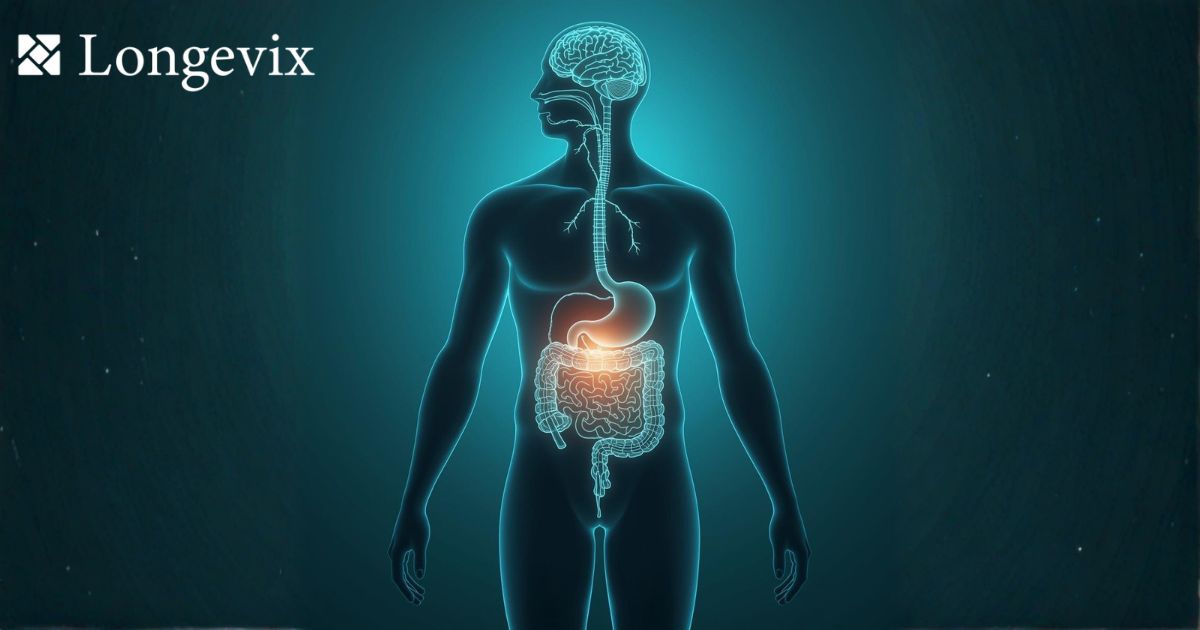
Gut health also shapes healthspan. As microbial diversity drops, inflammation rises. This link explains why digestive issues often appear alongside fatigue or brain fog. Ageing research increasingly treats the gut as a command centre rather than a simple food tube. Longevix builds longevity thinking around this systems-based view, focusing on resilience rather than quick fixes.
How Ageing Affects the Enteric Nervous System and Digestive Health
As years pass, neurones in the gut slowly decline. Muscle contractions weaken. Food moves more slowly. Nutrient absorption drops. These changes increase bloating and discomfort while reducing vitamin uptake. Poor absorption can affect brain chemistry and energy levels, creating a domino effect across organs.
Digestive ageing also raises intestinal permeability. This “leaky gut” allows toxins to enter the bloodstream. Immunology research links this process to chronic inflammation and insulin resistance. Over time, digestive ageing becomes a silent driver of fatigue and disease. Supporting gut nerves early supports whole-body balance later.
Ageing as an Ecosystem Problem: Microbiome, Inflammation, and Immunity
Think of ageing as an ecosystem shift, not a single failure. The microbiome, immune system, and metabolism change together. Harmful bacteria gain ground. Beneficial strains fade. This imbalance fuels low-grade inflammation, often called inflammaging. Chronic inflammation accelerates tissue damage and shortens healthspan.
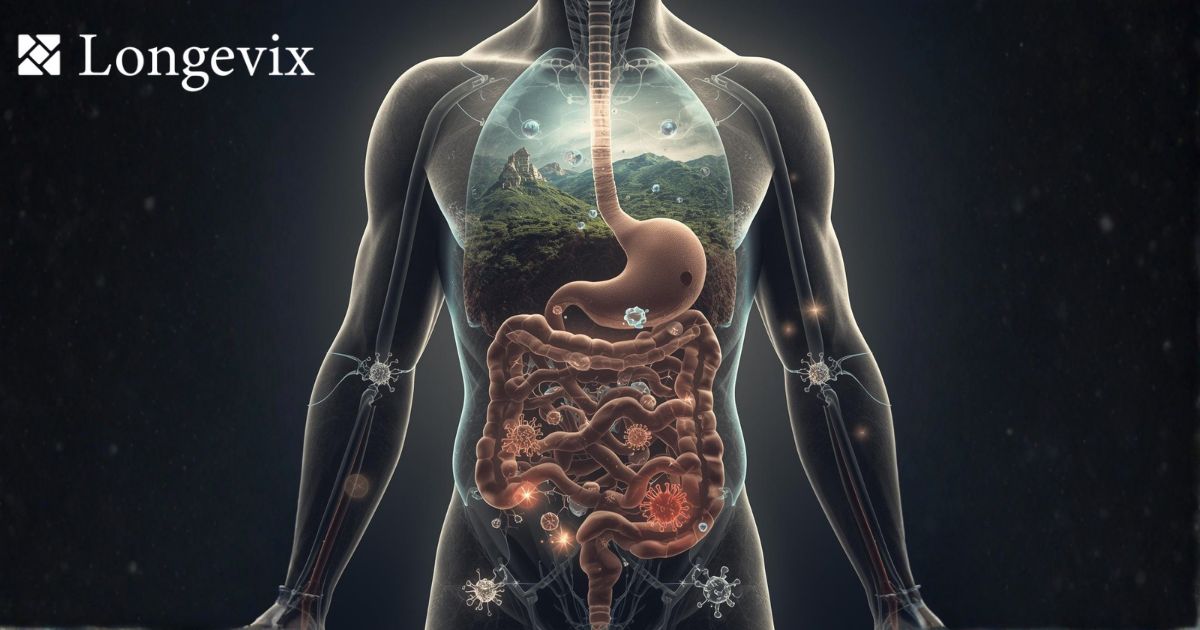
Immune cells also age. They respond slower and clear infections less efficiently. This decline explains higher infection risk in later life. Public data from the UK Office for National Statistics shows inflammation-linked diseases dominate later mortality. Addressing ageing through public health initiatives and social determinants of health becomes essential, not optional.
Brain Ageing and Cognitive Decline: From Memory Loss to Neurodegeneration
Brain ageing begins subtly. Processing speed slows. Focus drifts. Memory retrieval takes longer. These shifts don’t always signal disease. Normal ageing differs from neurodegeneration. However, when inflammation and metabolic stress pile up, risk increases. Neuroscience links lipid imbalance and oxidative stress to neurone damage.
Brain cells rely on fats to maintain flexible membranes. When membrane structure weakens, signalling falters. Over time, this disruption contributes to dementia-related conditions. Early support aims to preserve structure and communication rather than waiting for symptoms. This proactive mindset defines modern preventative health strategy.
Phosphatidylcholine and Essential Fats in Slowing Structural Brain Ageing
Phosphatidylcholine is a major building block of brain cell membranes. It helps maintain structure, fluidity, and signal speed. As ageing advances, levels decline. Essential fats also drop due to poor absorption and metabolic change. Together, these losses weaken neurones.
Clinical nutrition studies suggest membrane support may help preserve cognitive performance. While no nutrient reverses ageing, structural support may slow decline. This approach aligns with biomedical interventions that focus on resilience. Below is a simple comparison showing how lipid balance changes with age.
|
Factor |
Younger Adults |
Older Adults |
|
Membrane fluidity |
High |
Reduced |
|
Phosphatidylcholine |
Adequate |
Lower |
|
Signal speed |
Fast |
Slower |
|
Cognitive resilience |
Strong |
Vulnerable |
Skin Ageing, Acne, and the Microbiome Connection
Skin ageing is not just about wrinkles. Adult acne, dryness, and sensitivity increase with age. These changes reflect shifts in the skin microbiome and immune response. Hormones fluctuate. Barrier function weakens. Inflammation rises. The skin mirrors internal imbalance.
Research in dermatology shows gut health influences skin clarity. When gut microbes falter, inflammatory compounds reach the skin. This connection explains why topical care alone often fails. Addressing internal balance supports surface health more effectively over time.
Microbiome-First Anti-Ageing Strategies for Skin and Overall Health
Microbiome-first thinking targets root causes. Supporting beneficial bacteria improves digestion, immunity, and skin health together. Fermented nutrients and microbial metabolites help restore balance. This strategy reflects a multidisciplinary examination across nutrition, dermatology, and immunology.
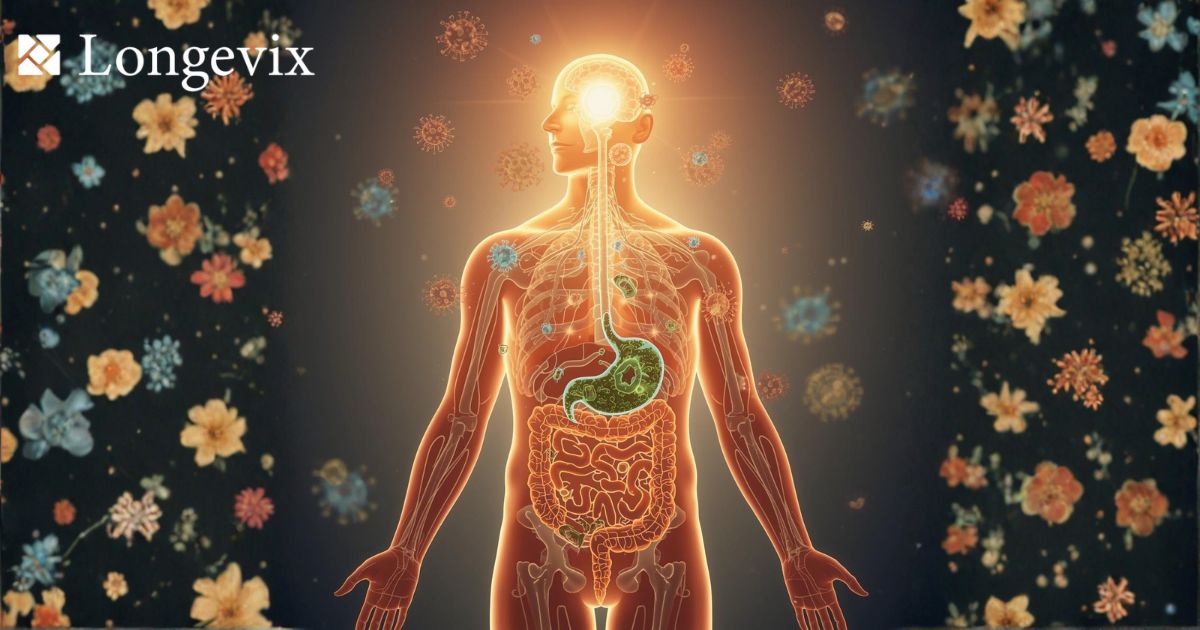
Longevity science now favours internal harmony over cosmetic fixes. Longevix reflects this approach by focusing on whole-body resilience rather than isolated symptoms. Supporting microbial diversity early may delay visible ageing and internal decline simultaneously.
Lifestyle, Nutrition, and Daily Habits That Support Healthy Ageing
Daily habits quietly shape ageing speed. Exercise improves mitochondrial function and reduces inflammation. Sleep restores hormonal balance. Nutrition supplies raw materials for repair. Together, these actions support extending healthy lifespan.
Tracking progress matters too. Blood tests reveal inflammation, lipid balance, and metabolic stress. These insights guide smarter choices. Simple longevity tips, practised consistently, often outperform extreme routines. Ageing responds best to steady care, not shortcuts.
The Future of Ageing Science: Can We Slow or Reverse Age-Related Decline?
Ageing science is shifting fast. Researchers now view ageing as modifiable, not fixed. Advances in genomics reveal how genes interact with lifestyle. Personalised nutrition and targeted support may soon become standard. This future blends medicine, technology, and behaviour.
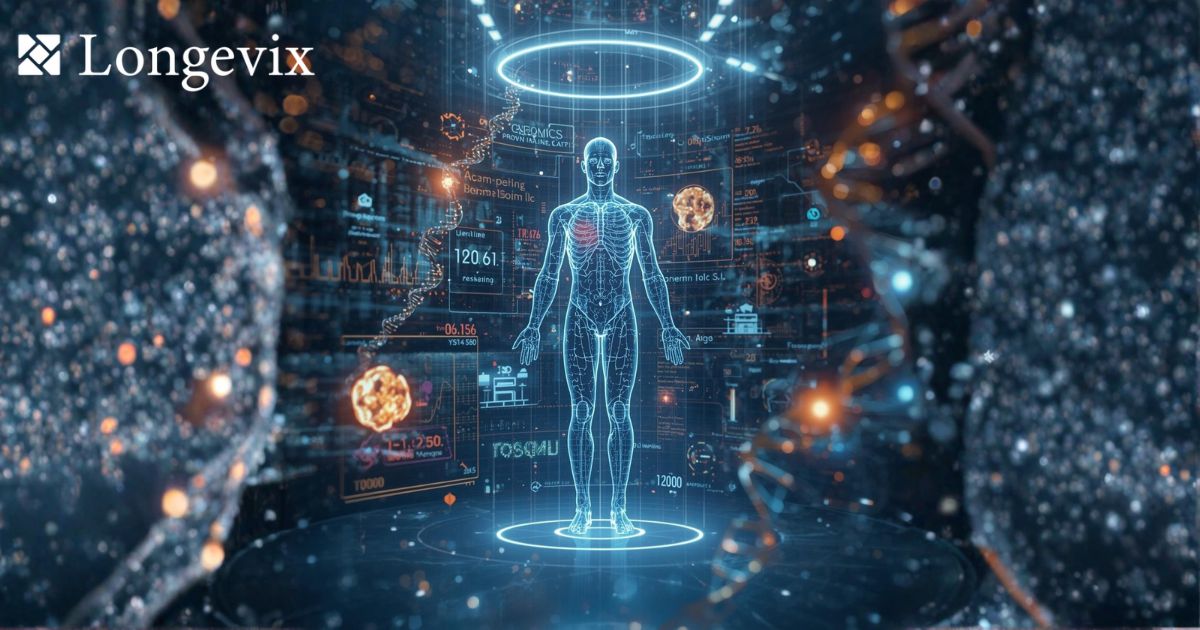
Experts increasingly agree that delaying ageing delays disease. As one gerontologist noted, “Treat ageing itself, and you treat everything downstream.” This vision guides healthy ageing research worldwide. The aim isn't to live forever but to have more years and to make them count.
Frequently asked questions
What is the scientific explanation of ageing?
Ageing is driven by progressive cellular damage, reduced repair capacity, and loss of biological balance that gradually impair tissue and organ function over time.
What are the 9 hallmarks of ageing?
The nine hallmarks include genomic instability, telomere shortening, epigenetic changes, loss of protein balance, disrupted nutrient sensing, mitochondrial dysfunction, cellular senescence, stem cell exhaustion, and altered cell communication.
Can we reverse ageing?
Current science cannot fully reverse ageing, but it can slow biological ageing and improve healthspan by targeting cellular damage and metabolic pathways.
What are the biological causes of ageing?
Ageing results from accumulated DNA damage, oxidative stress, mitochondrial decline, chronic inflammation, and weakened cellular repair systems.
What is the new science of ageing?
The new science of ageing focuses on treating ageing as a modifiable biological process using genomics, regenerative medicine, and preventative health strategies.